Story
Maddie’s Spark: Fueling the Future for VLCAD Deficiency Research
In Honor of Rare Disease Awareness Month & Rare Disease Day – February 28
🦓 Maddie’s Story: One Zebra Among Millions
Every year on Rare Disease Day, the world pauses to recognize the millions of individuals whose lives are shaped by conditions most people have never heard of. Rare diseases affect 300 million people globally, including 30 million Americans—nearly half of them children.
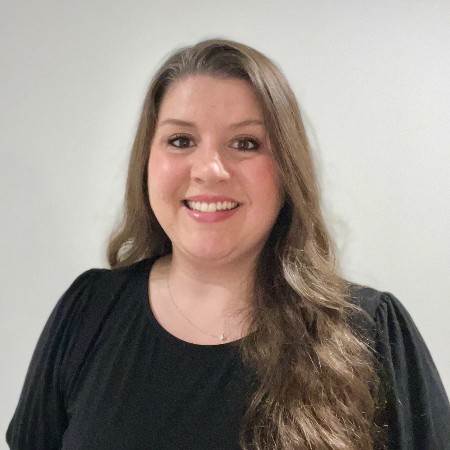
Our daughter Maddie is one of those children.
Maddie entered the world the way every parent dreams their child will—bright-eyed, peaceful, and full of promise. We memorized her tiny features, counted her fingers and toes, and imagined the life ahead of her. But just one day after her birth, that dream was interrupted.
Her blood sugar dropped to dangerously low levels. Alarms sounded. Doctors rushed in. And suddenly, our healthy newborn was no longer just a baby in our arms—she was a medical mystery.
A newborn screening revealed the cause: Very Long-Chain Acyl-CoA Dehydrogenase (VLCAD) Deficiency, a rare, inherited metabolic disorder we had never heard of before, and would soon come to know all too well.
VLCAD deficiency is part of a group of rare conditions called Long-Chain Fatty Acid Oxidation Disorders (LC-FAOD). In simple terms, Maddie’s body cannot properly break down certain fats to create energy. Fat is a critical fuel source for the heart, muscles, and organs, especially during sleep, illness, or physical activity. Without access to that fuel, her body can quickly shut down.
Only about 1 in 85,000 to 100,000 babies are born with VLCAD deficiency. In the entire United States, just 2,000–3,500 people are estimated to be living with any LC-FAOD condition.
That’s what makes VLCAD deficiency so rare and so often misunderstood.
🩵 Living with a Rare Disease
From the moment Maddie was diagnosed, our lives changed forever.
Living with VLCAD means there is no room for error. Every meal must be carefully timed. Every snack matters. Sleep can be dangerous. A fever, a stomach bug, or even missing a meal could send Maddie into a metabolic crisis, causing severe low blood sugar, muscle breakdown, heart damage, or life-threatening complications.
For young children like Maddie, VLCAD can present with dangerously low blood sugar and elevated ammonia levels. As children grow, the disease can evolve, leading to recurrent muscle breakdown, heart muscle damage, and kidney injury. It’s unpredictable. And it’s frightening.
At just four years old, Maddie has already endured 18 hospitalizations.
And yet somehow she shines.
She is energetic and endlessly curious, always eager to try something new. Maddie loves soccer, has recently started karate, and finds pure joy in the water—swimming is one of her favorite places to feel free. She laughs easily, loves fiercely, and brings a light to everyone she meets. Maddie approaches the world with joy and courage, reminding us daily that while a rare disease may shape a life, it does not define it. Strength does.
⚡ A Breakthrough That Changed Everything
When Maddie was two years old, hope arrived in the form of a groundbreaking treatment: DOJOLVI® (triheptanoin), the first and only FDA-approved therapy for VLCAD deficiency. This medication provides a special type of fat that Maddie’s body can convert into energy—offering her stability where there once was constant risk.
DOJOLVI was developed through the research leadership of Dr. Jerry Vockley, Chief of the Division of Genetic and Genomic Medicine and Director of the Center for Rare Disease Therapy at UPMC Children’s Hospital of Pittsburgh.
The impact was life-changing.
With DOJOLVI, Maddie has more energy, fewer crises, and the freedom to do the things every child deserves to do—play, learn, explore, and just be a kid.
🏥 Choosing Hope, Even When It’s Hard
In April 2025, our family made one of the hardest decisions we’ve ever faced: we packed up our lives and relocated to Pittsburgh so Maddie could receive full-time, specialized care from Dr. Vockley and his team at UPMC Children’s.
It meant leaving behind comfort, familiarity, and home.
But it also meant choosing hope.
Having direct access to the nation’s leading experts in metabolic and rare diseases has given Maddie the best possible chance at stability, health, and a future filled with possibility.
🔬 Fueling Research. Powering the Future.
As life-changing as DOJOLVI has been, it is not a cure.
That’s why we launched Maddie’s Spark: Fueling the Future for VLCAD Research to raise critical funds to support Dr. Vockley’s pioneering research aimed at curing VLCAD deficiency through gene therapy.
UPMC Children’s is becoming the lead site for the first-ever gene therapy clinical trials for VLCAD deficiency. This groundbreaking research has the potential to correct the genetic root cause of the disease—not just manage symptoms, but change lives forever.
Dr. Vockley’s work has already made history once. With continued support, it can change the future again.
💖 Why Your Support Matters
Every dollar raised through Maddie’s Spark goes directly toward advancing VLCAD research and clinical trial readiness at UPMC Children’s. Your support helps:
• Accelerate gene therapy development for VLCAD deficiency and other LC-FAODs
• Expand access to cutting-edge rare disease care
• Bring families like ours one step closer to a cure
🦓 Rare Disease Day & #ShowYourStripes
Rare diseases aren’t always visible. And that’s why awareness matters.
The zebra is the international symbol of rare disease because for too long, medicine was taught to “expect horses, not zebras.” But today, we know the truth: 1 in 10 Americans lives with a rare disease.
Every zebra’s stripes are unique, just like every rare disease journey.
This Rare Disease Day, February 28, we invite you to #ShowYourStripes:
• Wear zebra stripes
• Share Maddie’s story
• Use #RareDiseaseDay and #ShowYourStripes
• Help make the invisible visible
🌈 Join Us
Maddie’s laughter, courage, and resilience inspire us every day. Her story represents millions of families navigating rare diseases with hope, strength, and determination.
Together, we can fuel the future for Maddie, and for every child still waiting for a cure.
Thank you for standing with us.
Thank you for showing your stripes. 🦓🩵
