Story
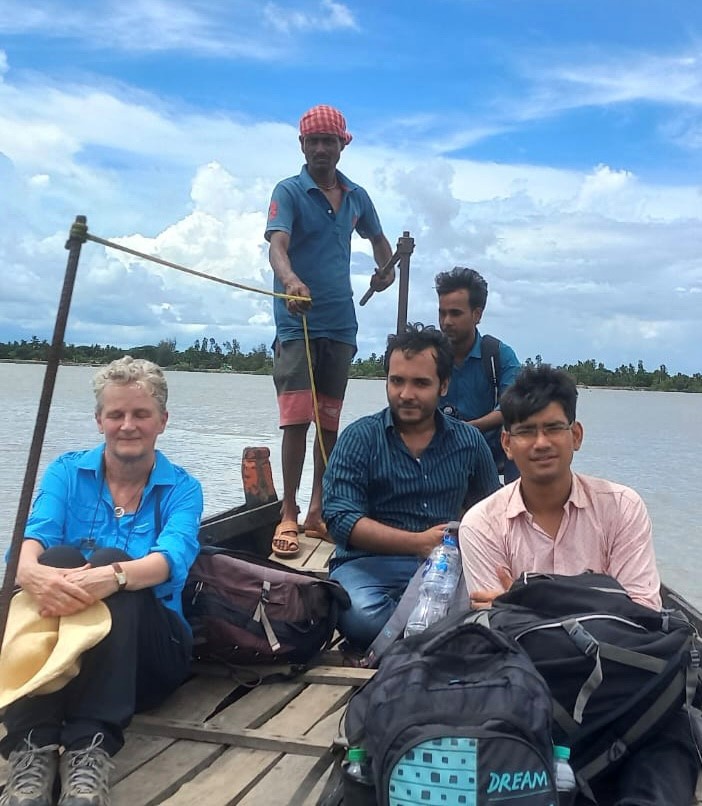
At a lawyers' conference on tackling climate change in Kolkata last year, I met Mukut Biswas. He is a young Indian lawyer, who found as he trekked with his friends in the Himalayas that its fragile ecosystem was being destroyed by climate change and single-use plastics discarded by tourists. They set up a non-profit organisation Prameya that works with rural communities to empower them to protect their environment: Sundarbans-mangrove-story
The project started in the Indian Sundarbans, where a vast mangrove forest covers tiny islands which are at the forefront of climate crisis, battered by cyclones and threatened by rising sea-levels with complete inundation. The shrinking land mass creates conflict between the rural communities who earn a living from fishing, farming and honey-collection, and the almost 100 Bengal tigers which live in the mangroves.
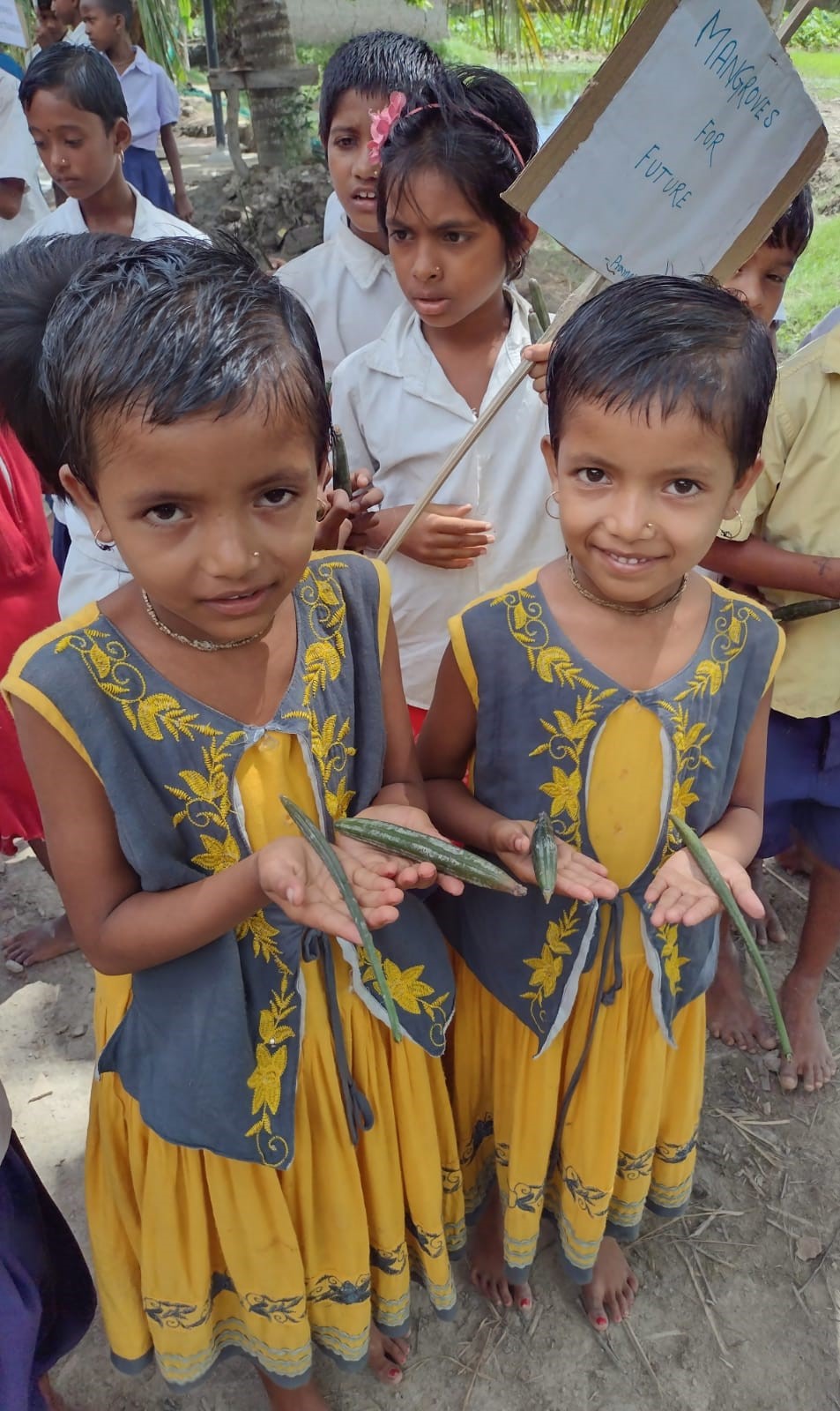
Prameya has brought hope-firstly in the form of education. They teach school children to act as guardians of nature. In the photo, taken last July on Mangrove Day the children had each been given two mangrove propagules and given the responsibility of sowing and cultivating the trees. The mangroves have a dual effect- creating a tiger corridor and acting as a barrier to the rising tide. Mangrove forests have a significant role in climate change mitigation and adaptation by absorbing and capturing carbon. Prameya also raises awareness about plastics whether left by tourist boats or villagers, encouraging the children to collect them. Meanwhile the village women are also planting mangroves.
I have been working with students from the King's College Legal Clinic and the National University of Juridical Sciences, supported by Doughty Street Chambers barristers on a high level strategic legal case against British institutions financing fossil fuels, to raise awareness in the global north. From Prameya and the local community we have learned the urgency and importance of supporting education and empowerment in the global south at the same time.
The funds will enable the edcational workshops on climate change to continue, the creation of a live inventory of local mangrove species, including trees which can survive in the increasingly salinated soil and continued mangrove cultivation - benefitting both humans and tigers!,
.