Story
THE COLLECTIVE EFFORTS FOUNDATION – IBANDA VILLAGE COMMUNITY BRICK BUILDING PROJECT, UGANDA
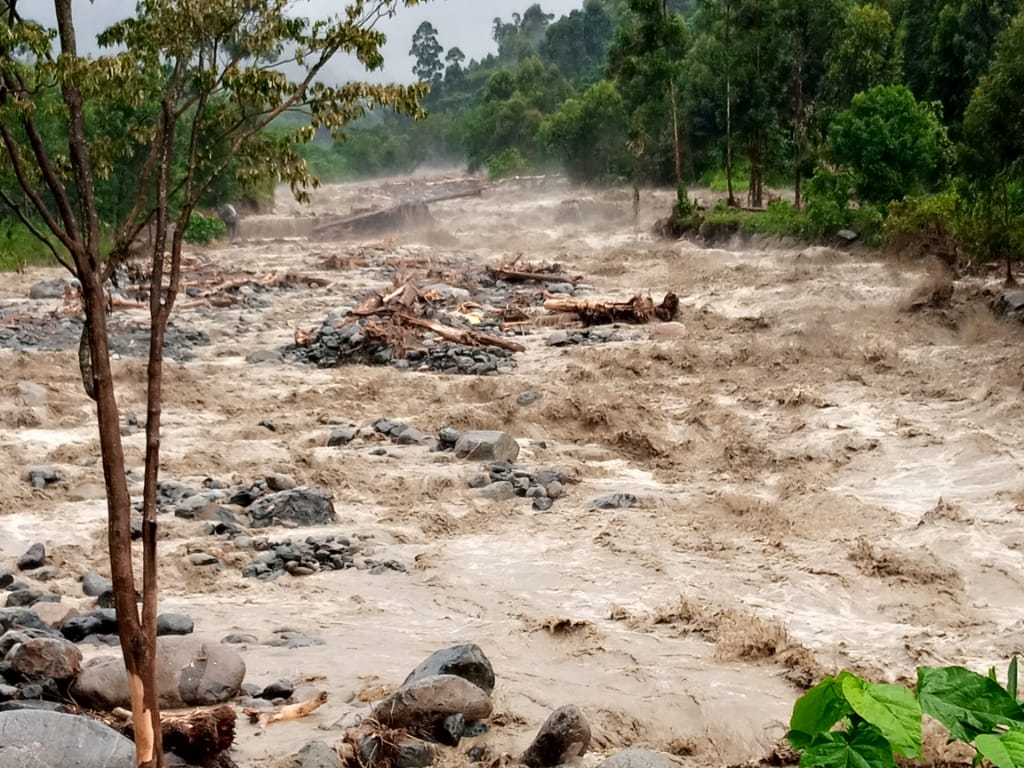
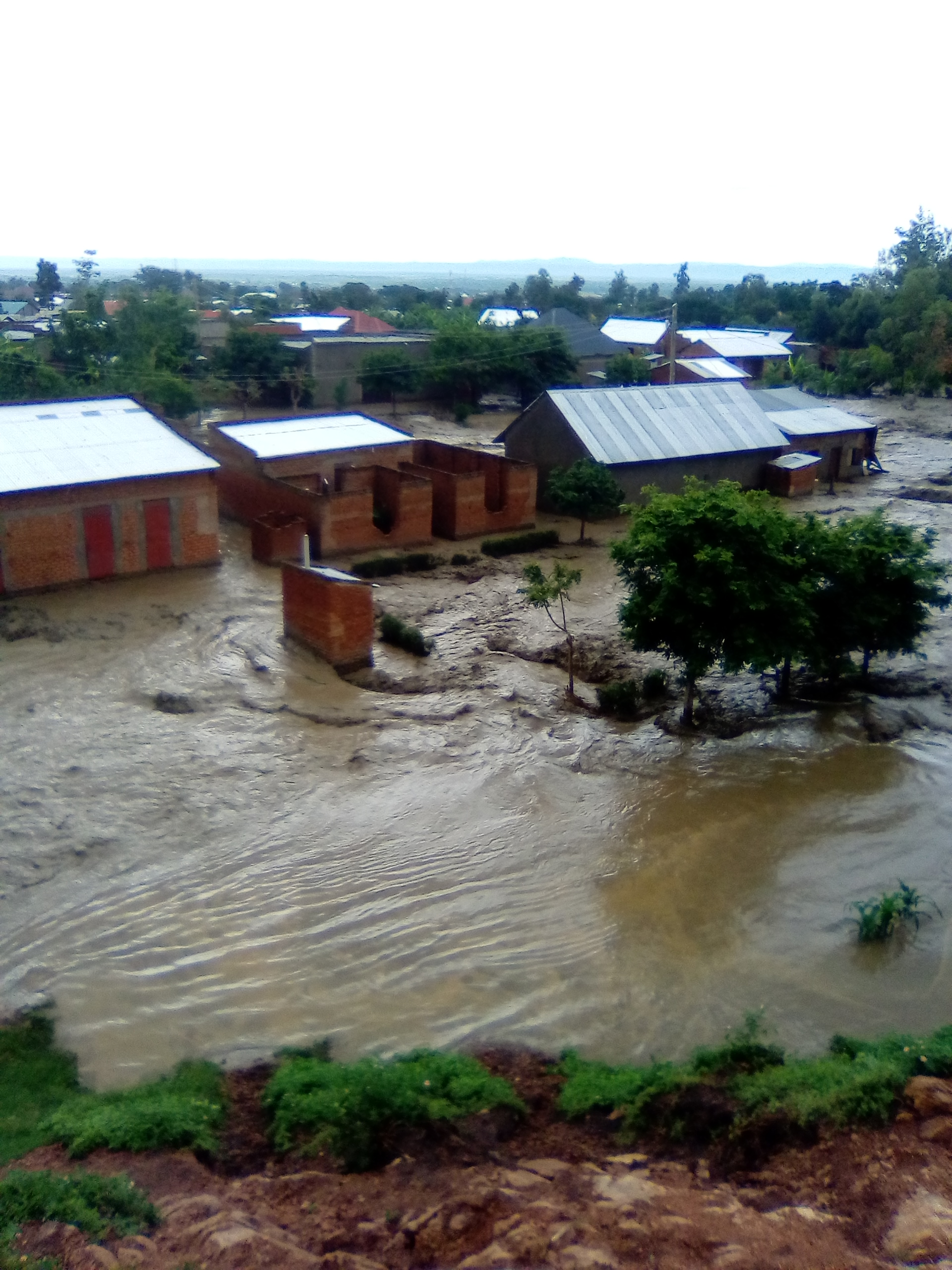
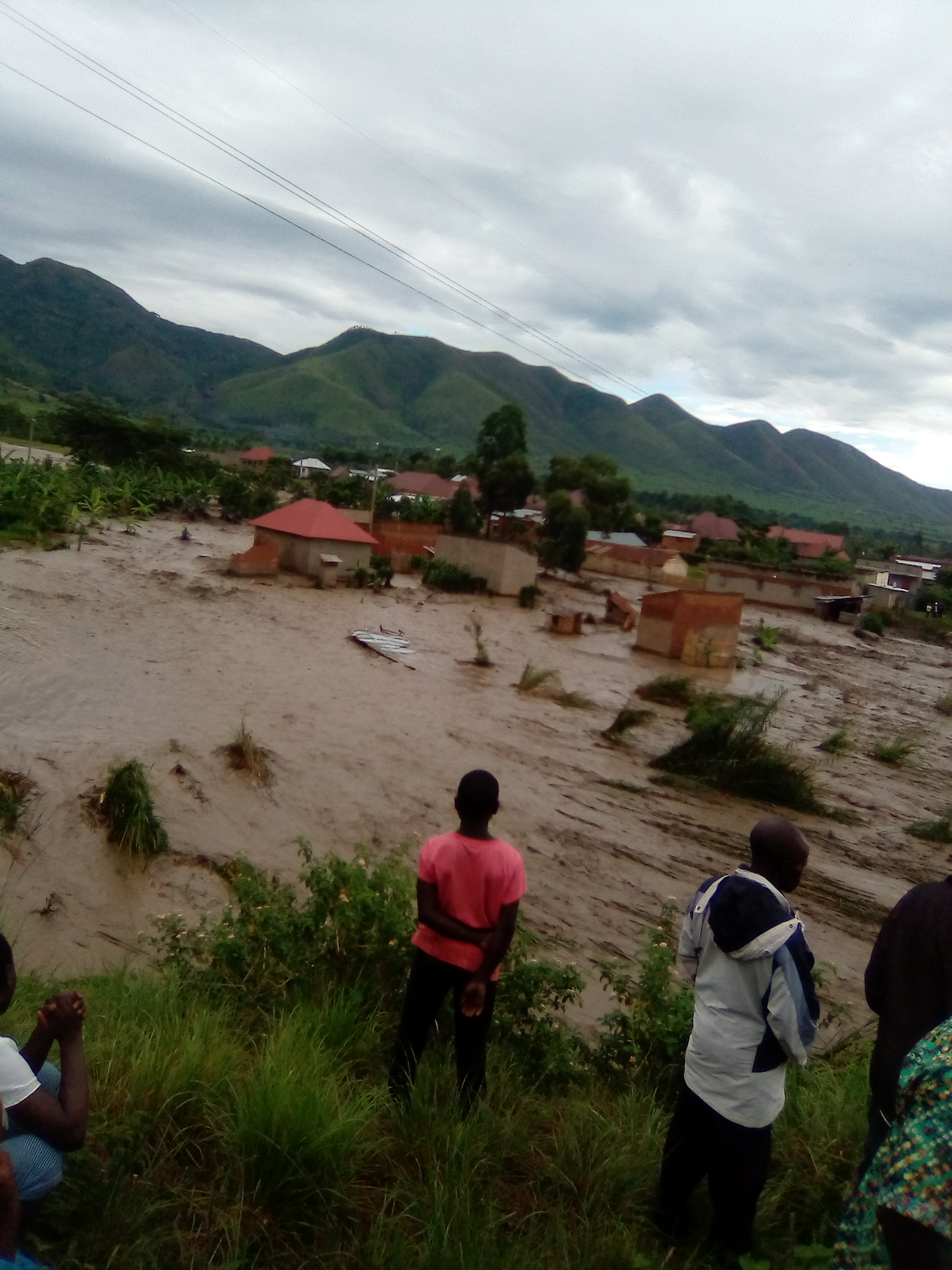
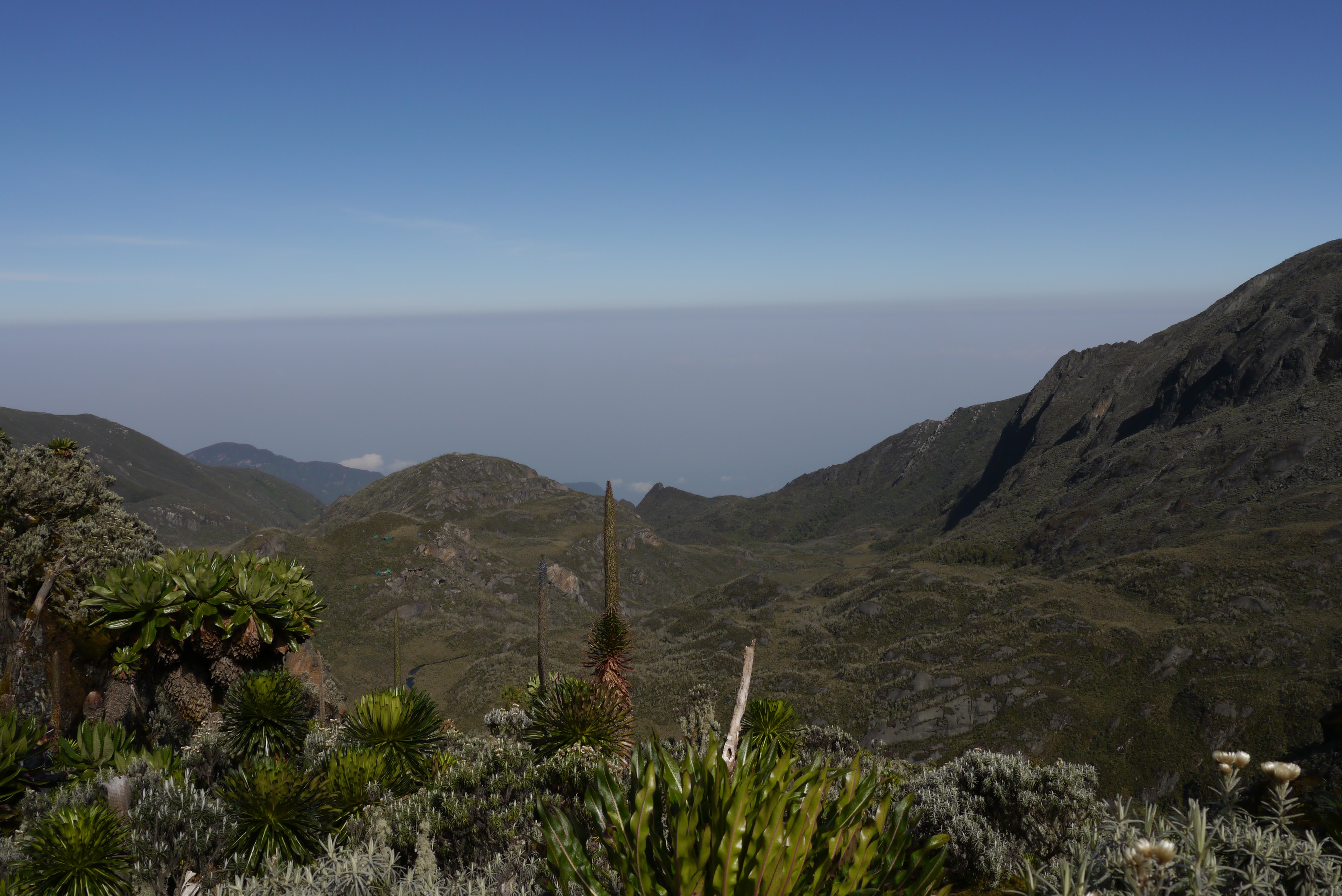
On the 14th of May 2020, the Nyamwamba, Mubuku, Nyamughasana and Lhubiriha rivers burst their banks, inundating swathes of the Kasese District of Western Uganda. This mountainous district, near the border with the Democratic Republic of Congo, is dominated by the Rwenzori mountains, down which the torrents created by exceptional heavy rainfall poured. The flooding continued for weeks.
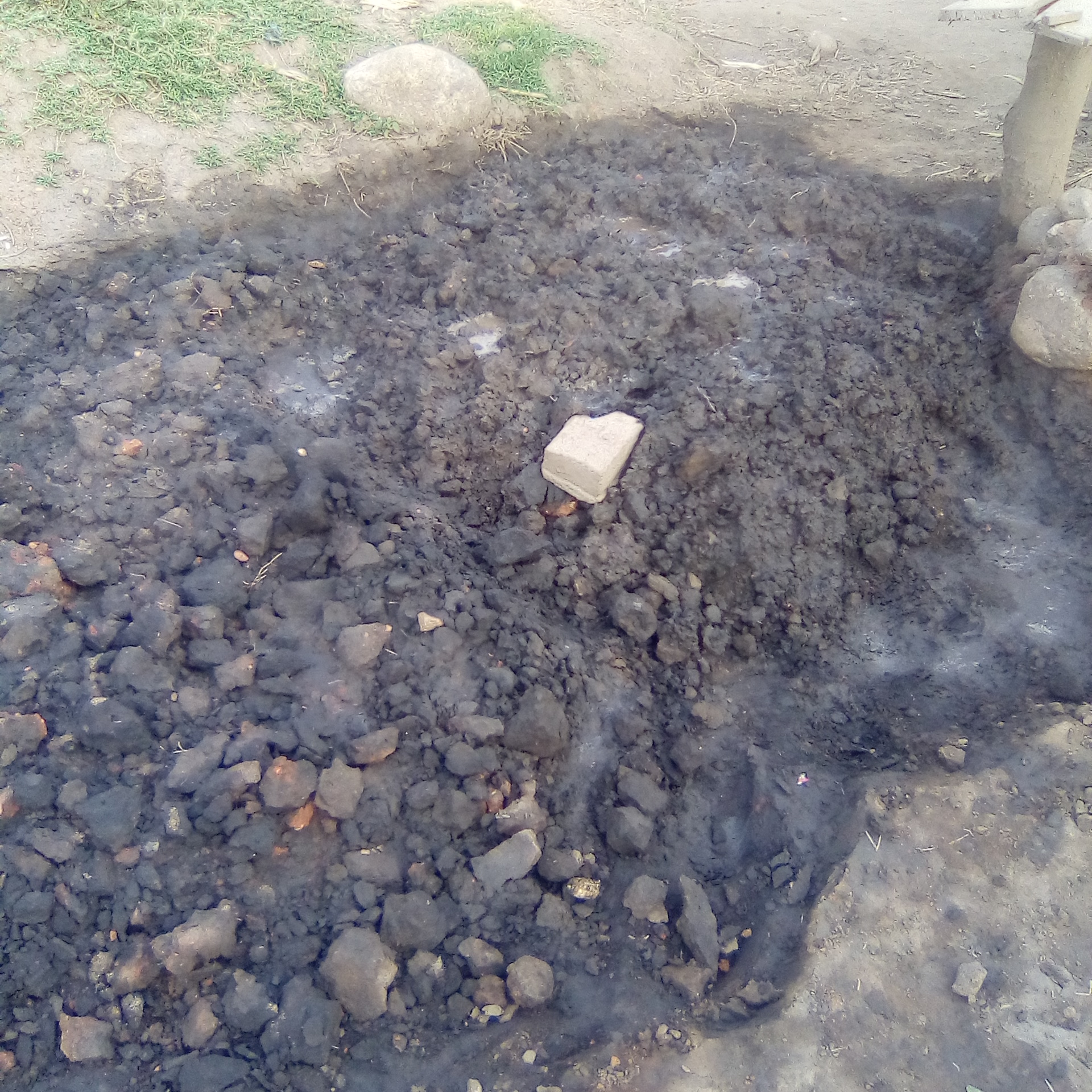
The water, displaced boulders, landslides and thousands of tonnes of mud engulfed the area, devastating the infrastructure. The Nyamwamba hydroelectric power station, Kilembe hospital, roads and crops were buried, destroyed or severely damaged. 24,760 homes and 173,000 people were affected, 1,200 people were displaced and 11 died. The lack of sanitation and clean water led to outbreaks of disease, exacerbating the situation.
This Guardian article gives more detail: Guardian article 16 May 20:'People are desperate': floods and rock slides devastate western Uganda
In a normal year, that would have been tragic enough but the impact of COVID 19 on both the population and the tourist industry added another crushing blow to an already desperate local economy. Many months later, a number of people remain displaced and living in camps, with the loss of so many crops and virtually all tourist income, the economy is decimated and local people are struggling to rebuild the local infrastructure. There has been governmental and NGO assistance but it has been focused on larger projects and food distribution and with little to no income, many children and students have been unable to pay the fees required to attend schools and colleges.
The project
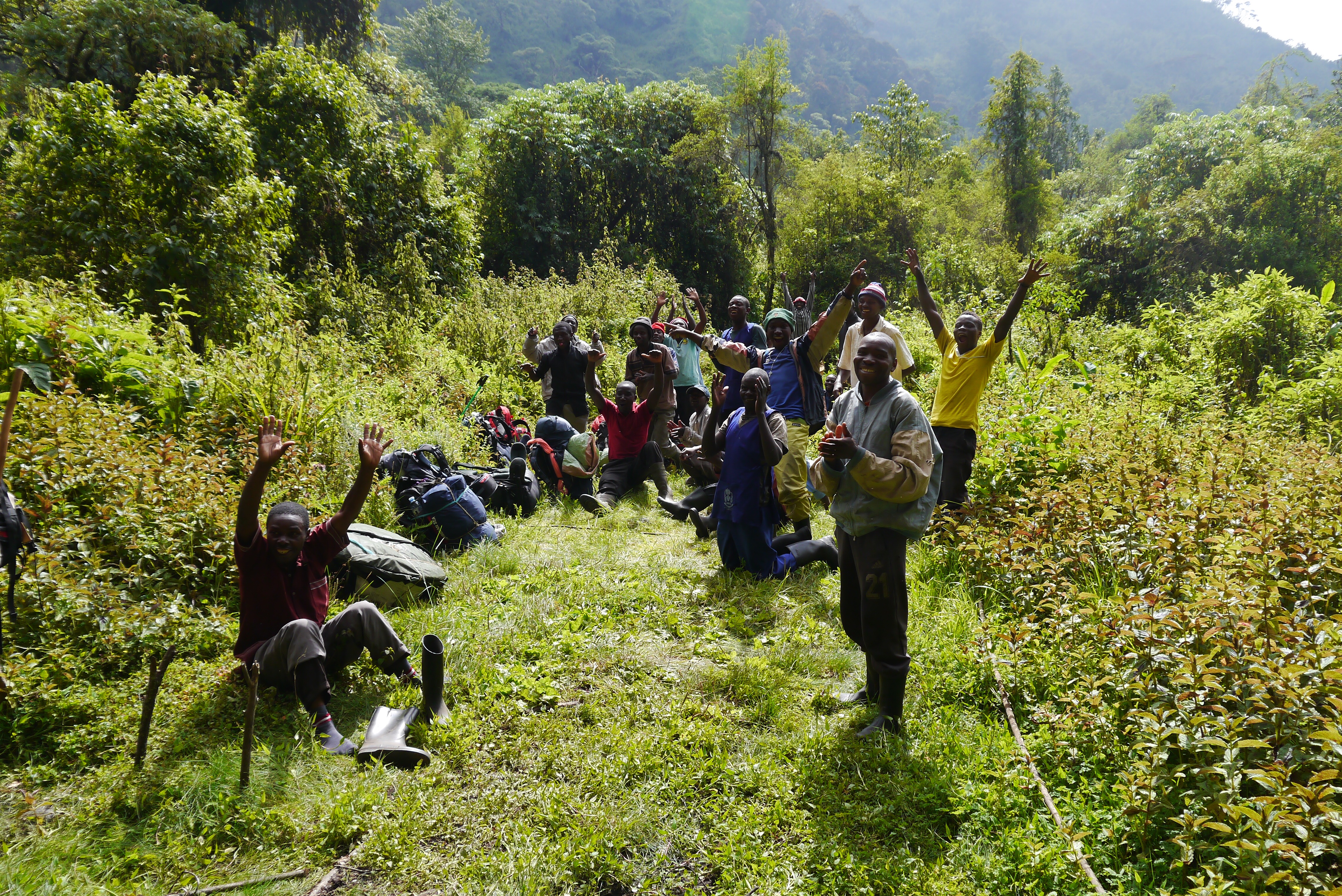
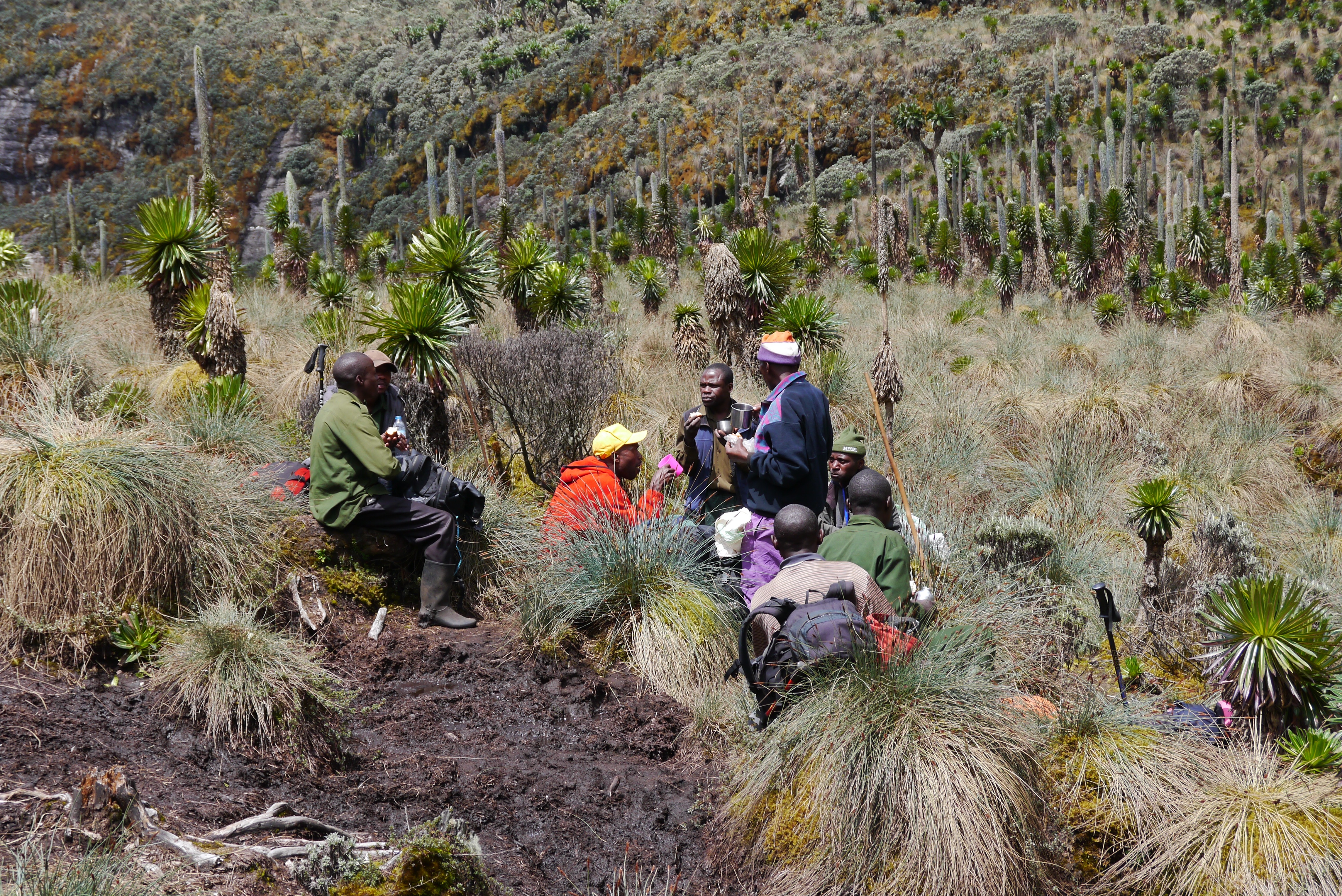
Geofrey and Stephen Kule of Ibanda village in the Bugoye Sub-County of the Kasese District have started a project to attempt to kickstart a small economic resurgence in their stricken community. A significant source of income for this village comes from guiding in the Rwenzori mountains and other tourist-related activities and COVID has reduced this source of income to next to nothing. Some farming land remains inundated and after the failure of the harvest last year, this year’s expectation for crops remains poor. All in all, this adds up to a very precarious outlook for this remote community of 900 people .
Project mission.
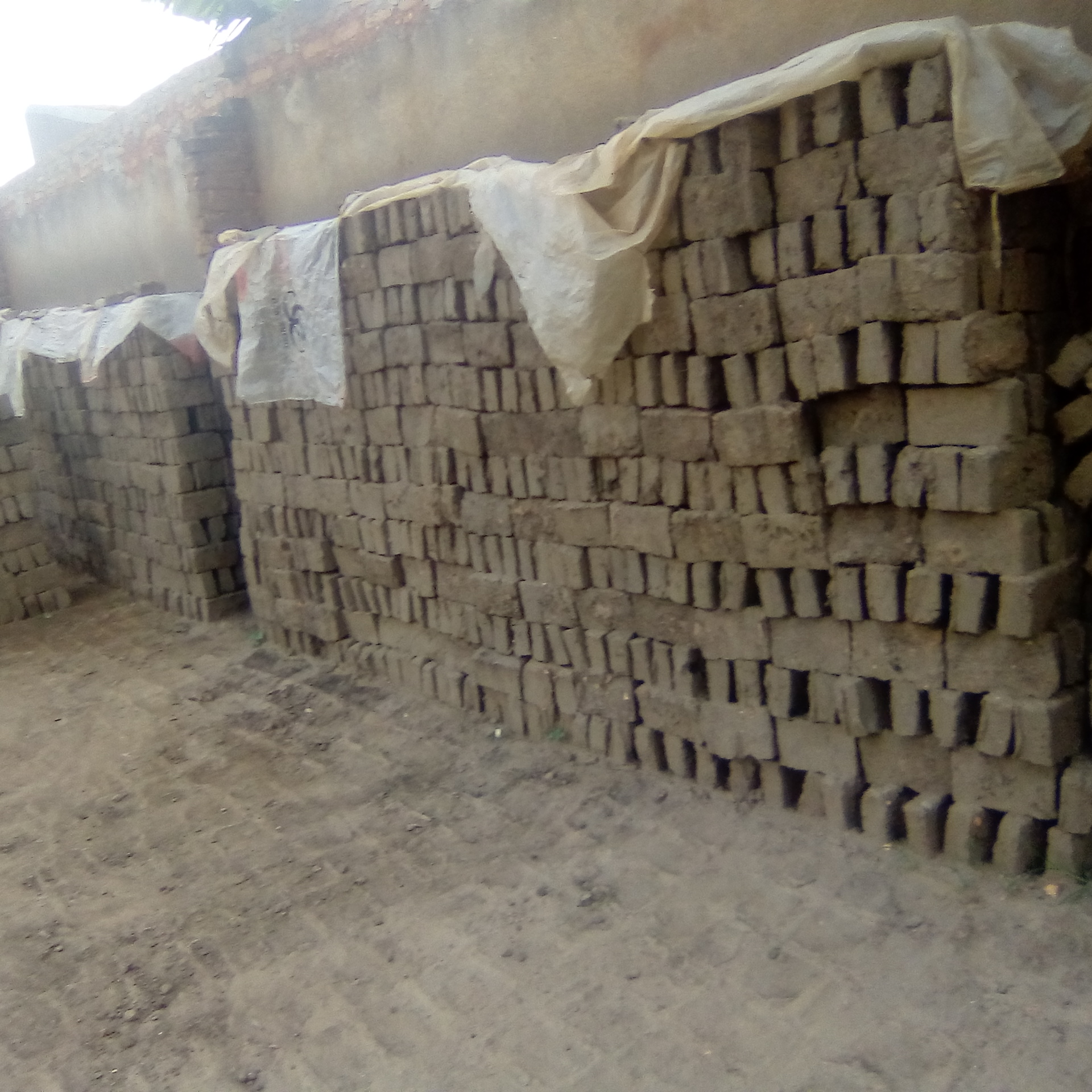
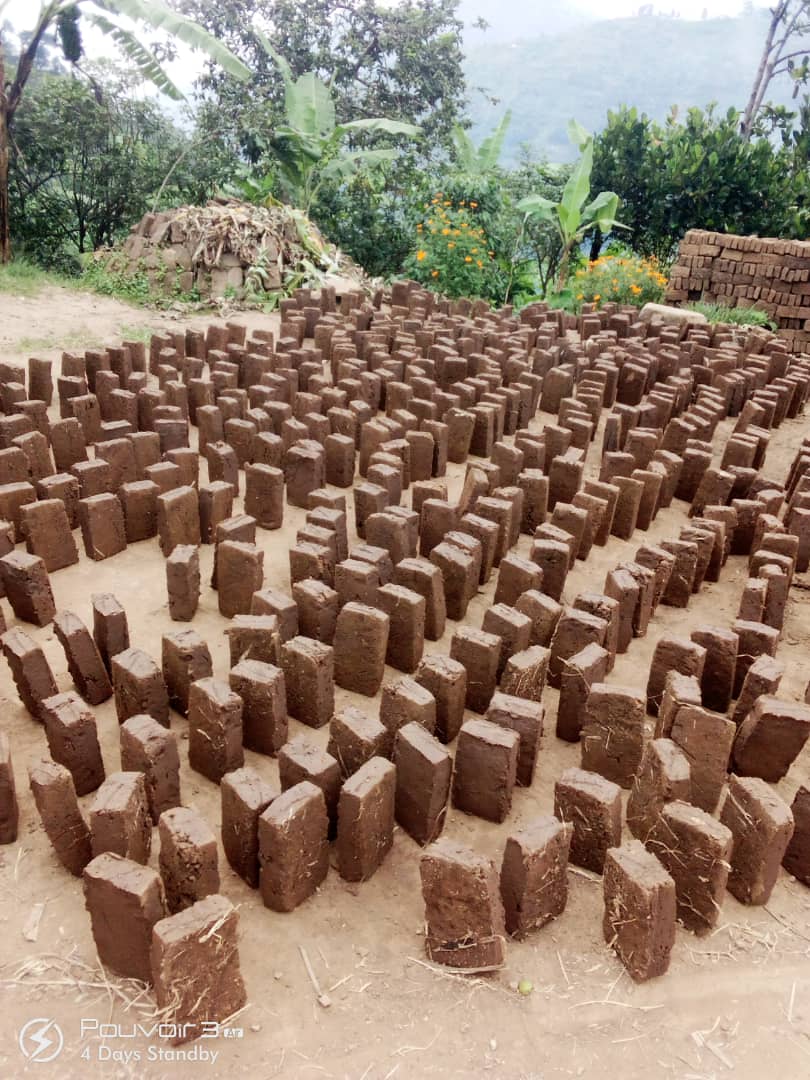
To develop a sustainable brick making and brick laying social venture in order to generate critical funds to provide for essential basic needs, including the education of the children and young people of Ibanda.
Investment and sustainability.
The village has donated the land for the project and the initial investment for tools, materials and start-up labour is Ugandan Shillings (UGX) 1,630, 000, equivalent to £320 at 28 February 2021. These labour costs have been for the skilled labour required to begin the project; this will be significantly reduced as the project continues. The unskilled labour and food are being donated by members of the cooperative foundation. In addition, each family pays an annual subscription of around UGX 400 (£0.78). However, there are immediate schooling costs now, as well as the monthly costs of materials and it will take time for the project to find a wider market.
When the project has matured (after 12 months), the aim is to be generating a profit of UGX10,670,400 (£174) per month. This amount would be both lifechanging for the community and would also be sustainable, securing the education and future of the children of Ibanda. The revenue would be split as follows:
• 40% will be reinvested back into the project.
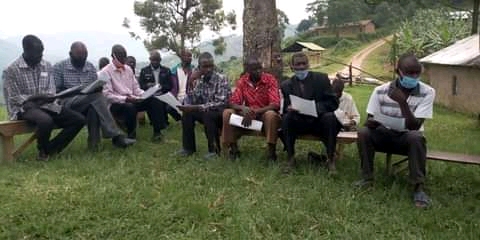
• 40% will be distributed to the members of the Collective Efforts Foundation cooperative operating the project to pay for essentials and education.
• 20% will be distributed to support the vulnerable of the community who are unable to offer labour or food to the foundation, including widows, orphans and the sick. The cooperative management committee will agree this distribution in concert with the village council.
Justin Featherstone’s connection
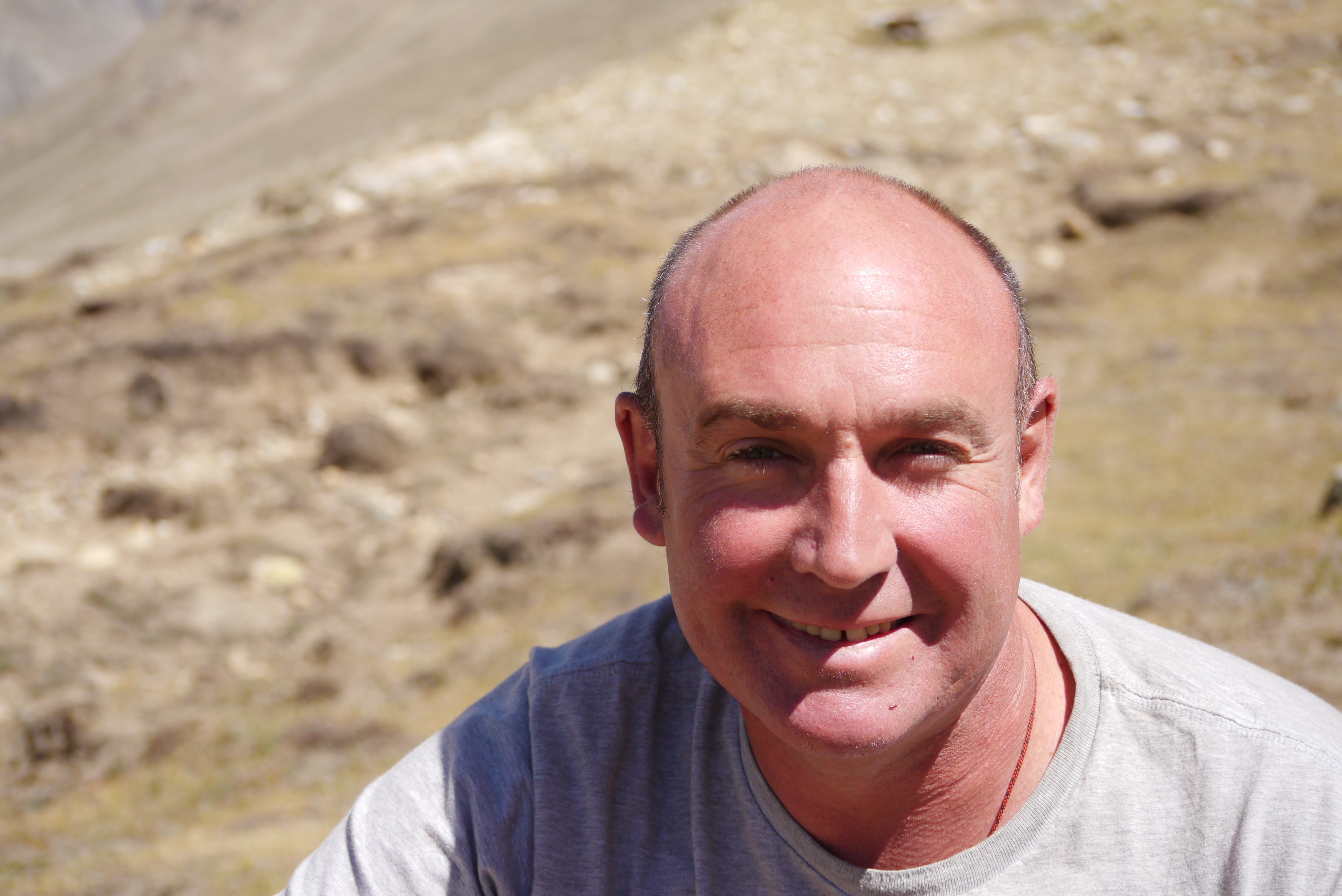
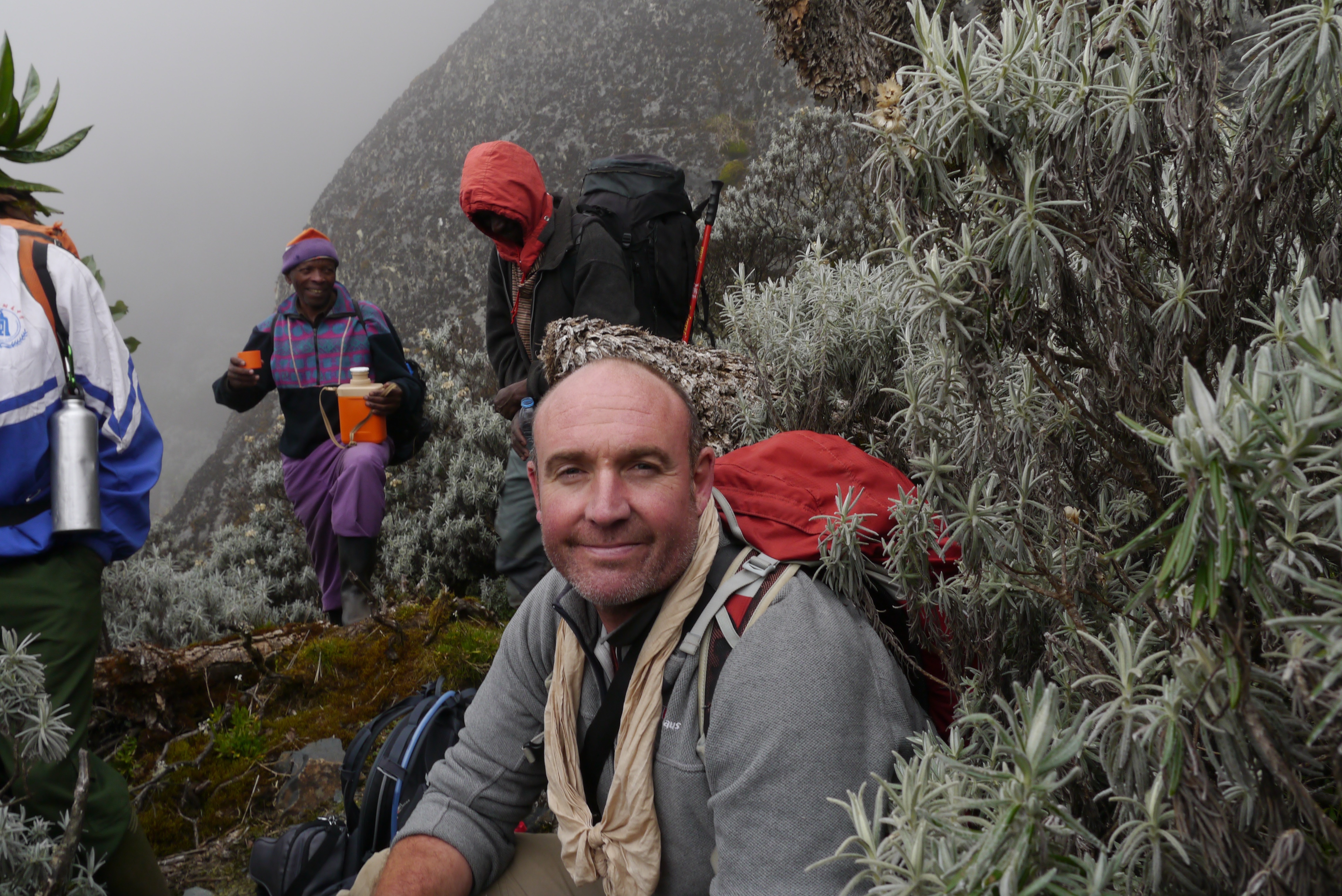
Justin has hired the men from this community to guide and provide porters for expeditions and he now considers them friends. He has found these people to be some of the most generous spirited he has ever had the privilege to work with and has developed a deep-seated connection to their community. As a result, he felt he could not stand by without trying to help in any way possible. When he was approached to ask for his advocacy, guidance and support in raising funds, he could not do anything but accept.
Fundraising aim
The aim is very simple, to raise at least £2,000 to fund the start-up costs, contribute to the ongoing operational costs for the first year and provide initial emergency funds to allow children to return to school as soon as possible. This amount of investment would also ensure the project would remain sustainable, enabling it to continue to support the community by offering a predictable revenue stream not subject to the vagaries of tourism and extreme weather events.