

Story
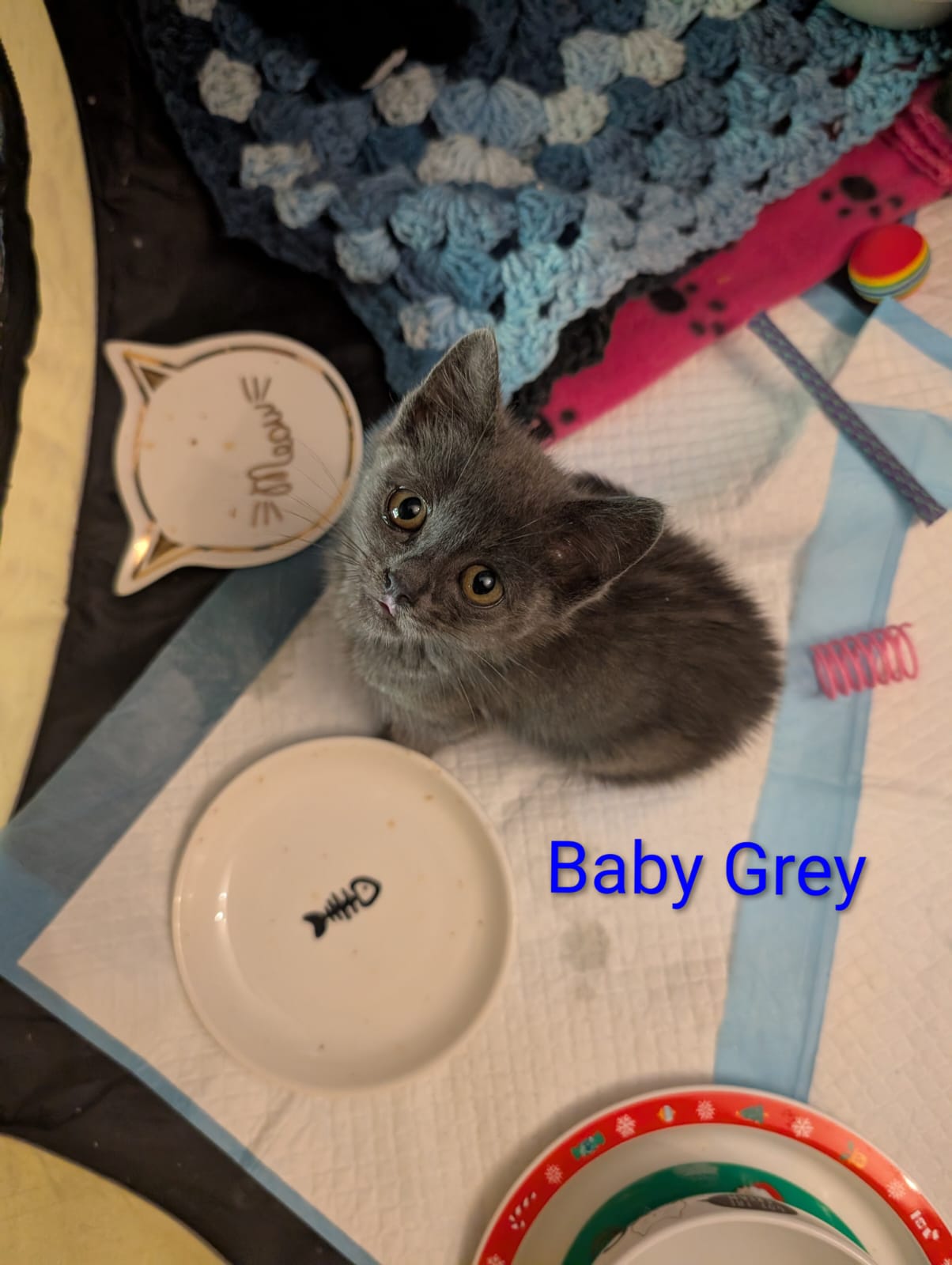
We’re Closed to Intakes — But We Couldn’t Leave These Cats to Die
Karen’s Cat Community is currently closed to new intakes. We made that difficult decision because we are only a two-person, mother-and-daughter rescue, both living with disabilities and chronic health conditions. Our sanctuary is already full, and we simply do not have the physical, financial or emotional capacity to keep taking on more cats.
But emergencies do not stop just because rescues are full.
Over the past few weeks, we have somehow found ourselves caring for ten kittens we were never supposed to have, alongside several adult cats from a complicated feral colony situation.
This all began years ago, when a farmer acquired a grey male and female cat and deliberately allowed them to breed and interbreed because he wanted more grey cats. We became involved with the colony, but the situation was extremely difficult. At the time, both Karen and Lauren were becoming increasingly unwell, living with exhaustion and chronic pain without yet fully understanding why.
We managed to help one mother cat and her kittens move to another rescue, but eventually had to step away from the land.
Years later, the neighbouring landowner — whom we refer to as the feeder because he provides food for the colony — contacted us again. Kittens had appeared on his land and were in immediate danger from a dog that had already attacked and killed one kitten.
Despite being closed, we could not ignore them.
Karen is no longer physically able to manage difficult trapping terrain alone, so Lauren and our friend Jada, who is also experienced in trapping and fostering, helped. Together, we travelled backwards and forwards, set traps, monitored the colony and worked to get the most vulnerable cats to safety.
One tabby kitten was caught first and is now thriving after several weeks of care. Another tiny but incredibly brave kitten came in covered in ticks and desperately unwell. A slightly larger kitten, who we hope is the tiny kitten’s older sibling, was nearly attacked by the dog before being safely secured.
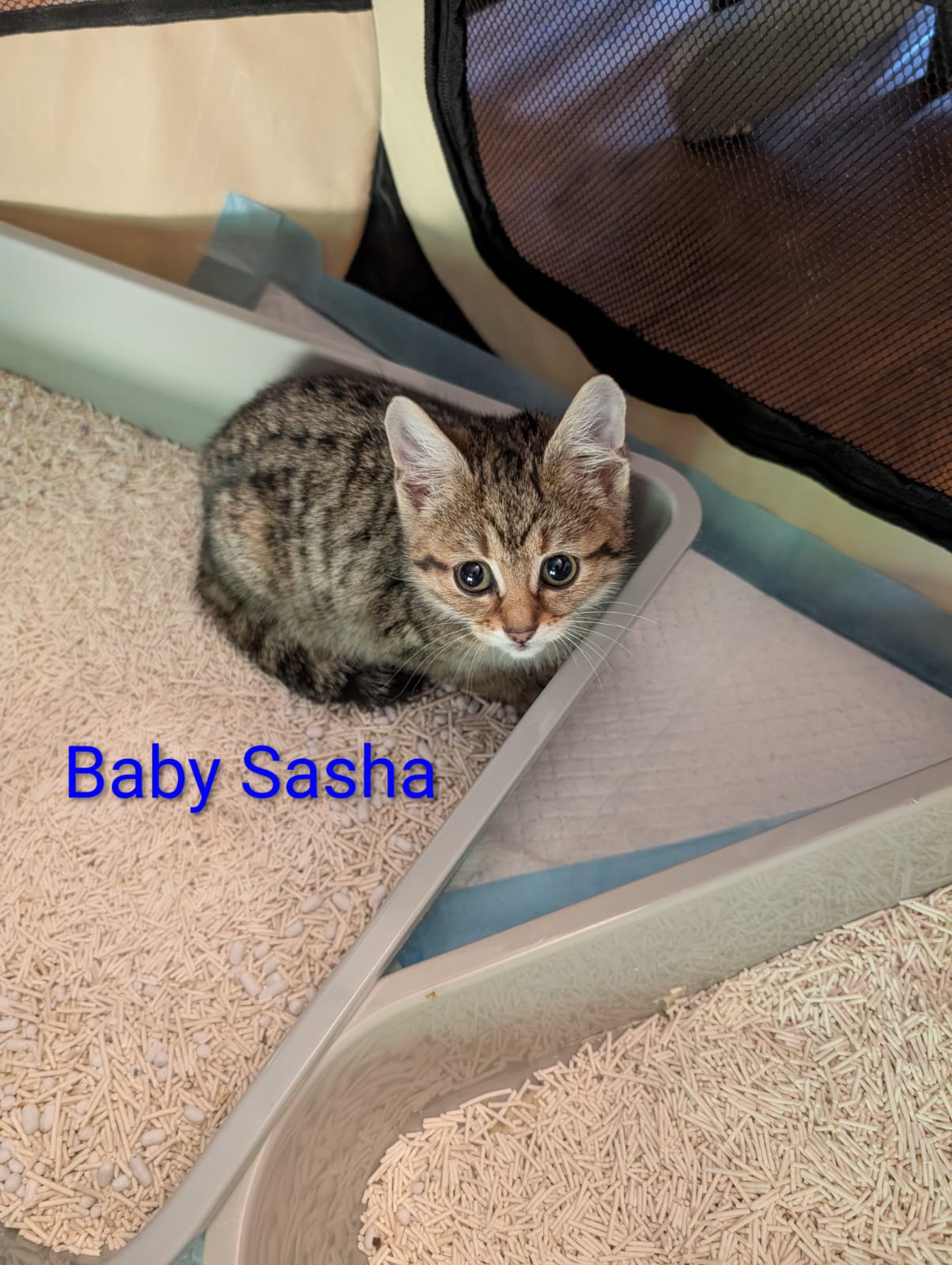
During another visit, we spotted a tabby kitten hiding in bushes during the extreme heat. We placed a trap and, within ten minutes, the kitten was safely inside.
Some of these kittens were so thin that every bone could be felt. Their bodies were fragile, and even feeding and worming them had to be carefully managed. Severely malnourished kittens cannot always be treated too aggressively, as killing off a very heavy worm burden too quickly can make them dangerously unwell.
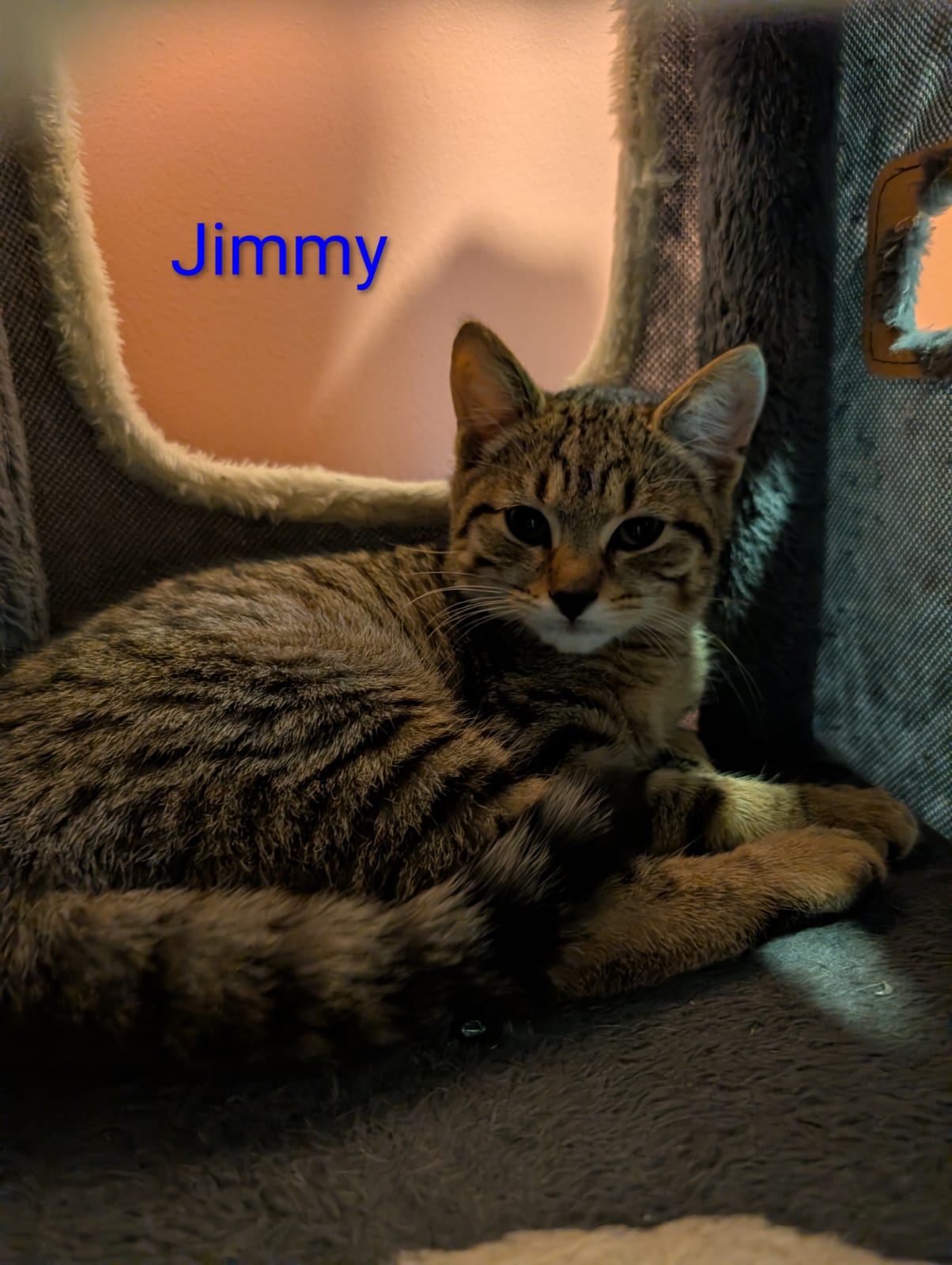
They now require constant feeding, cleaning, parasite treatment, socialisation, monitoring and veterinary care.
Alongside these four kittens, we were already caring for three feral kittens we had trapped and gradually tamed, as well as three kittens rescued from another emergency situation in Birmingham.
That means we currently have ten unexpected kittens in our care.
Then one of the adult colony cats arrived limping quite severely.
She turned out to be friendly and could not safely be returned to the land. Veterinary examinations and X-rays showed significant pelvic damage and narrowing, and we discovered that she was also pregnant with two nearly full-term kittens.
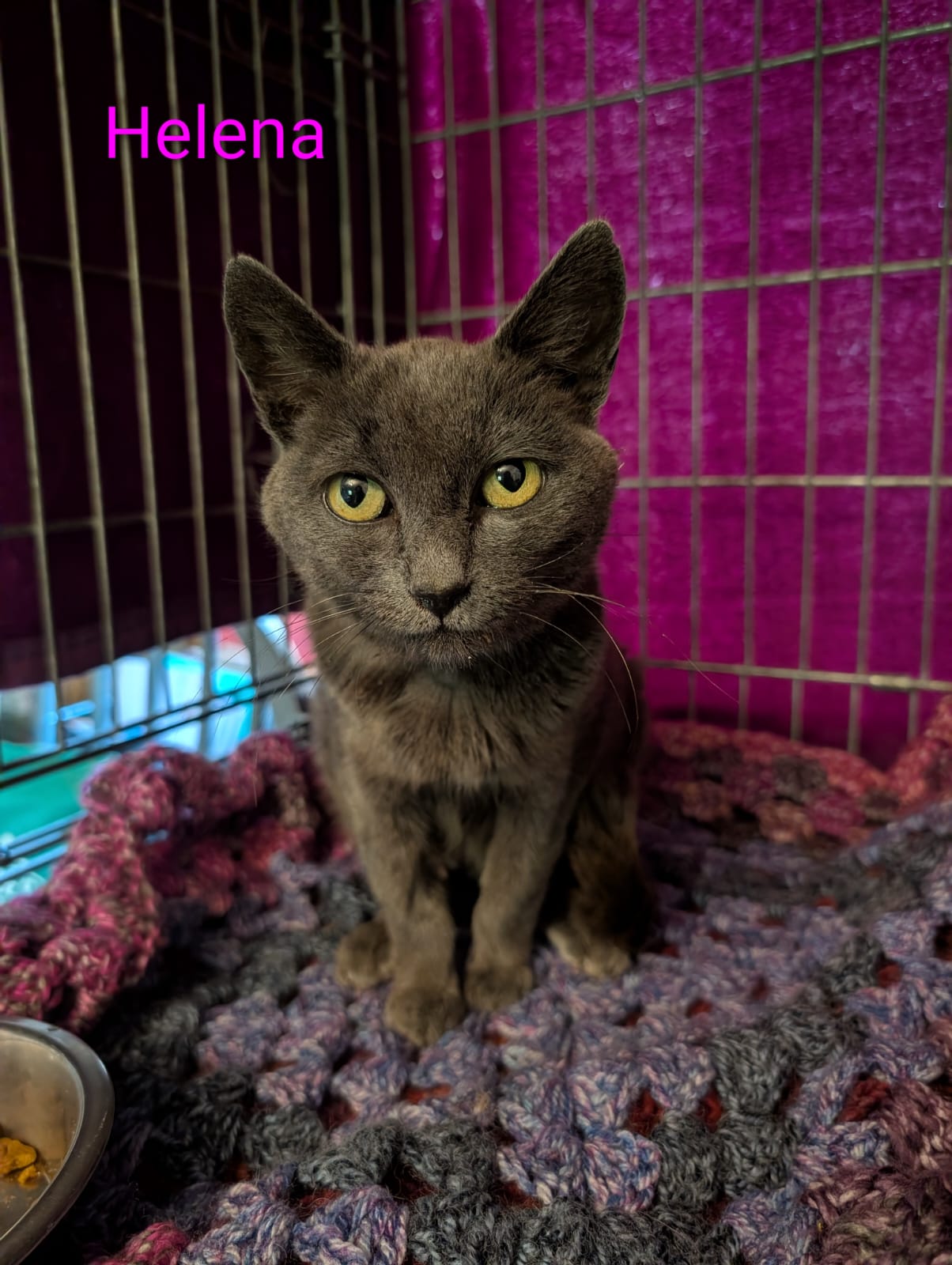
Because of the damage to her pelvis, she was extremely unlikely to be able to give birth naturally. Continuing the pregnancy could have resulted in an emergency caesarean and placed both her life and the kittens’ lives at serious risk.
Following veterinary advice, the heartbreaking decision was made to end the pregnancy while she was neutered.
We are devastated that two potential lives were lost, but we could not risk losing their mother as well. She is now recovering with us on strict cage rest and has already cost around £300 in veterinary treatment.
We have also trapped Louise, a friendly calico female who had been carrying five kittens. Because she is friendly, and because of the risks surrounding this particular site, we do not believe it is responsible to return her to the land.
The situation there remains deeply concerning. When the feeder goes away, cats have previously disappeared or been found injured or dead. However, some genuinely feral cats must be neutered, assessed and returned, as removing an entire established colony can create a vacuum that allows new unneutered cats to move in.
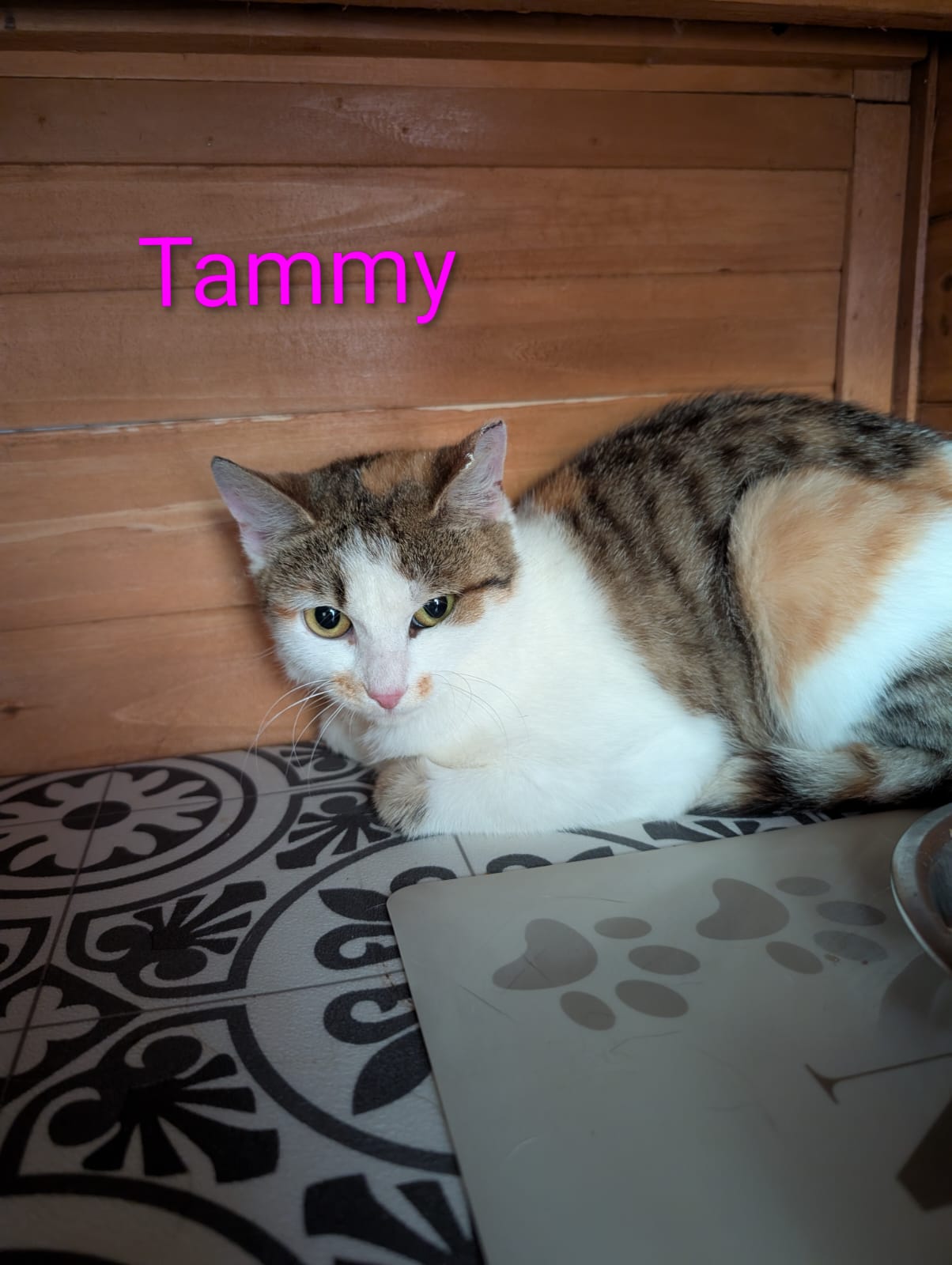
We follow a TNAR approach: trap, neuter, assess and release.
This means every cat is assessed as an individual. Cats who are genuinely feral, healthy and have a stable territory may be returned after treatment and recovery. Friendly cats, injured cats, vulnerable kittens and cats who would not be safe on the land need another solution.
We are working with Becky, who runs HART, on the neutering programme for the adult colony cats. HART is helping with the neutering and ear-tipping, but Karen’s Cat Community is still covering substantial additional costs.
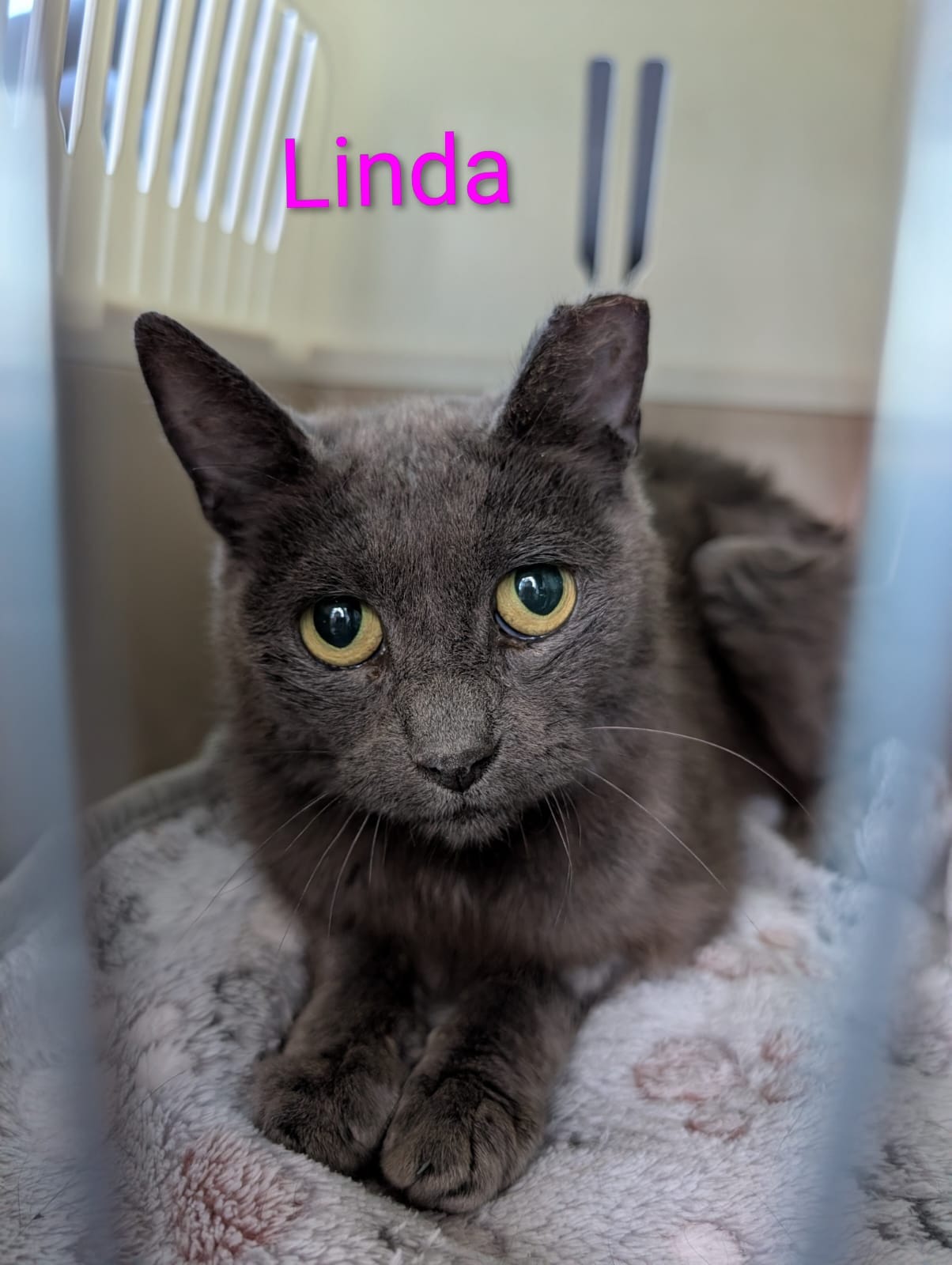
We have paid for every cat involved to be treated for fleas and worms. We have also paid for every cat to be microchipped and registered to Karen’s Cat Community, so there is a permanent record linking them to us.
Several cats have also received FIV and FeLV blood tests. Thankfully, every test carried out so far has been negative.
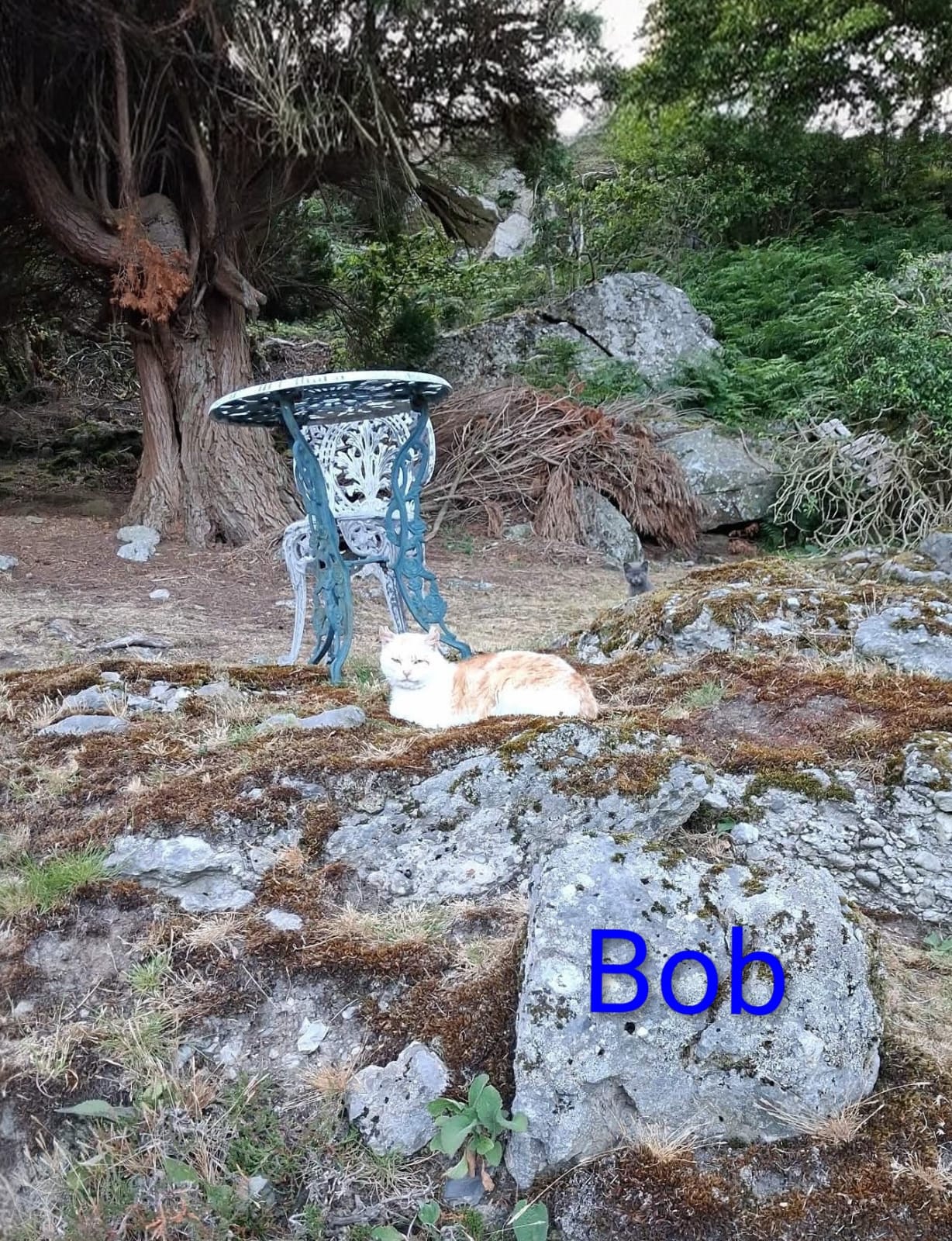
So far, the main tomcat, Bob, has been neutered, ear-tipped and returned. Linda, a grey female who had been carrying two kittens, has also been neutered and returned after being kept long enough to recover properly from her spay.
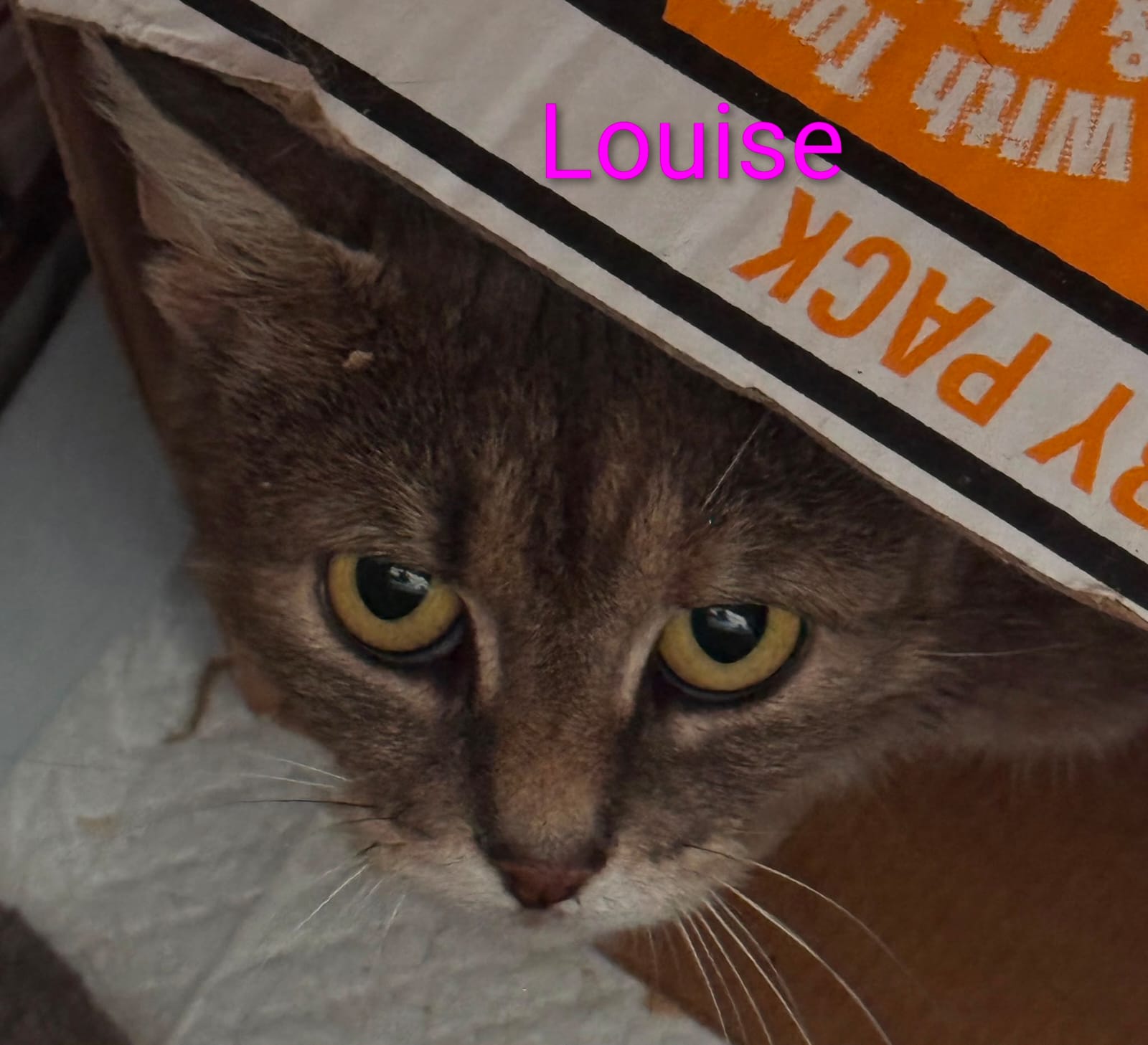
Louise, who had been carrying five kittens, has also needed additional recovery time following her spay. Other adult cats still need to be trapped, assessed, treated and neutered before a decision can be made about whether it is safe and appropriate for them to return.
We did not go looking for more cats to rescue.
We are closed because we know our limits. We have repeatedly said no to new intakes because we are already stretched beyond capacity.
But when kittens are starving in bushes, covered in ticks or at risk of being killed by a dog, walking away does not feel like an option.
We are now desperately asking for help.
Funds raised will contribute towards:
• Veterinary examinations and emergency treatment
• X-rays, medication and follow-up care for the injured mother cat
• Neutering, ear-tipping and recovery care
• Microchipping and registration to Karen’s Cat Community
• Flea, tick and worm treatment for every cat
• FIV and FeLV blood testing
• Vaccinations and health checks for the kittens
• Kitten food, specialist recovery food and formula where required
• Litter, bedding, cleaning supplies and daily care
• Travel costs for repeated trapping and veterinary journeys
• Ongoing treatment for any further sick or injured colony cats
We work constantly to raise money through our secondhand shop, fundraising events, festivals and sales, but it is not enough to absorb an emergency of this size.
We are begging for help to get these cats safely through the next few weeks and to complete this TNAR operation responsibly.
People often say, “Give them to another rescue,” but rescues everywhere are full. If another suitable rescue had space and could have responded to this emergency, we would not have needed to go out and take responsibility for these cats ourselves.
Please donate what you can. Even a few pounds towards food, parasite treatment, microchipping or veterinary care will make a genuine difference.
We also understand that many people cannot donate. Sharing this fundraiser is equally valuable and may help it reach someone who can.
Thank you for standing beside our tiny rescue and helping us protect cats who had nowhere else to go.
Karen, Lauren and all the cats
Karen’s Cat Community
Supporting cats in the heart of Wales
