
Story
Help Sariel Charlotte Cespedes Reclaim Her Life
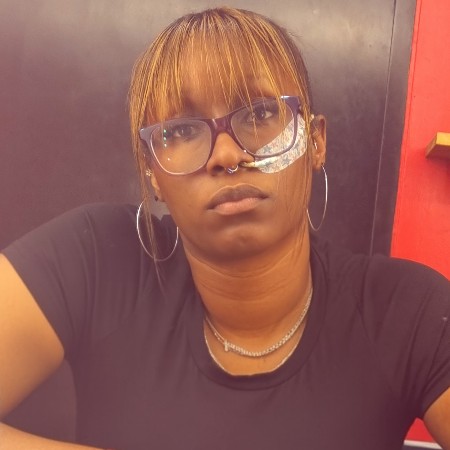
My name is Sariel Charlotte Cespedes, and I am fundraising £40,000 for a complex, life-changing medical surgery that I urgently need in summer 2026. This operation is not available through the NHS, meaning private funding is my only remaining option.
I live with severe gastroparesis, caused by a devastating combination of Type 2 Diabetes and Ehlers-Danlos Syndrome (EDS). Together, these conditions have caused my stomach to stop functioning correctly. Food no longer moves through my body as it should, leaving me in constant pain, nausea, exhaustion, malnutrition, and dangerous blood sugar instability. Over the years, I have exhausted every treatment available in the UK, medications, strict dietary plans, liquid nutrition, and tube feeding. None of them have worked.
The procedure I need is the implantation of a Gastric Electrical Stimulator (GES), a device often described as a pacemaker for the stomach. It helps restore rhythm and function when the body can no longer do so on its own. This surgery offers the chance to stabilise my diabetes, reduce constant nausea and vomiting, and allow me to eat safely again.
Due to my EDS, this surgery is especially complex and only a handful of doctors in the United Kingdom, Wales and Ireland can perform this operation. My tissues are fragile, healing is unpredictable, and I require a highly specialised surgical and anaesthetic team experienced in both EDS and diabetes.
Why I’m Raising Awareness
Gastroparesis is a severely under-recognised condition globally. In the UK, NHS-referenced epidemiological studies estimate it affects around 13.8 people per 100,000, though many clinicians believe this is a significant underestimation due to misdiagnosis. International research published in peer-reviewed medical journals shows that millions of people worldwide live with this condition.
Rates are much higher in people with diabetes and connective tissue disorders:
Up to 80% of people with EDS experience gastrointestinal dysmotility
Around 1 in 3 people with diabetes develop delayed gastric emptying
Over 50% of patients describe symptoms as severe or very severe
Around 30% are unable to work due to the condition
Despite this, access to advanced treatments like GES remains extremely limited within the UK. By sharing my story, I hope to bring gastroparesis to the attention of the British public and UK medical decision-makers, so others don’t have to suffer in silence or reach crisis point before being heard.
Why This Matters to My Family
I am a mother to two wonderful sons, aged 7 and 13. Both of my boys are autistic, and my youngest is non-verbal and requires full-time care when he is not in school. My health directly affects their safety, stability, and wellbeing.
Living in constant medical crisis has already taken so much from our family. This surgery represents my chance to be more present, more stable, and physically able to care for my children in the ways they need and deserve.
What Your Donation Will Help Cover
The Gastric Electrical Stimulator (GES) device
Specialist surgeons and anaesthetic teams experienced in complex EDS cases
Hospital care, recovery, and monitoring
Essential post-operative programming and follow-up
This fundraiser is about survival, dignity, hope and about shining a light on a condition that too often remains invisible. By supporting this fundraiser, you are helping me fight for my life and helping raise awareness for thousands of others living with gastroparesis in silence who can’t fight for themselves.
If you can’t donate, sharing this page could help reach someone who can and that alone would mean more than I can say.
Source: UpToDate (widely used by NHS clinicians and specialists)
Organisation: Wolters Kluwer (https://www.uptodate.com/contents/gastroparesis-etiology-clinical-manifestations-and-diagnosis)
Updated regularly (most recent updates 2023–2024). This clinical reference discusses how gastroparesis is frequently missed or delayed in diagnosis, contributing to underestimation in epidemiological data.
