


Story
Hello!
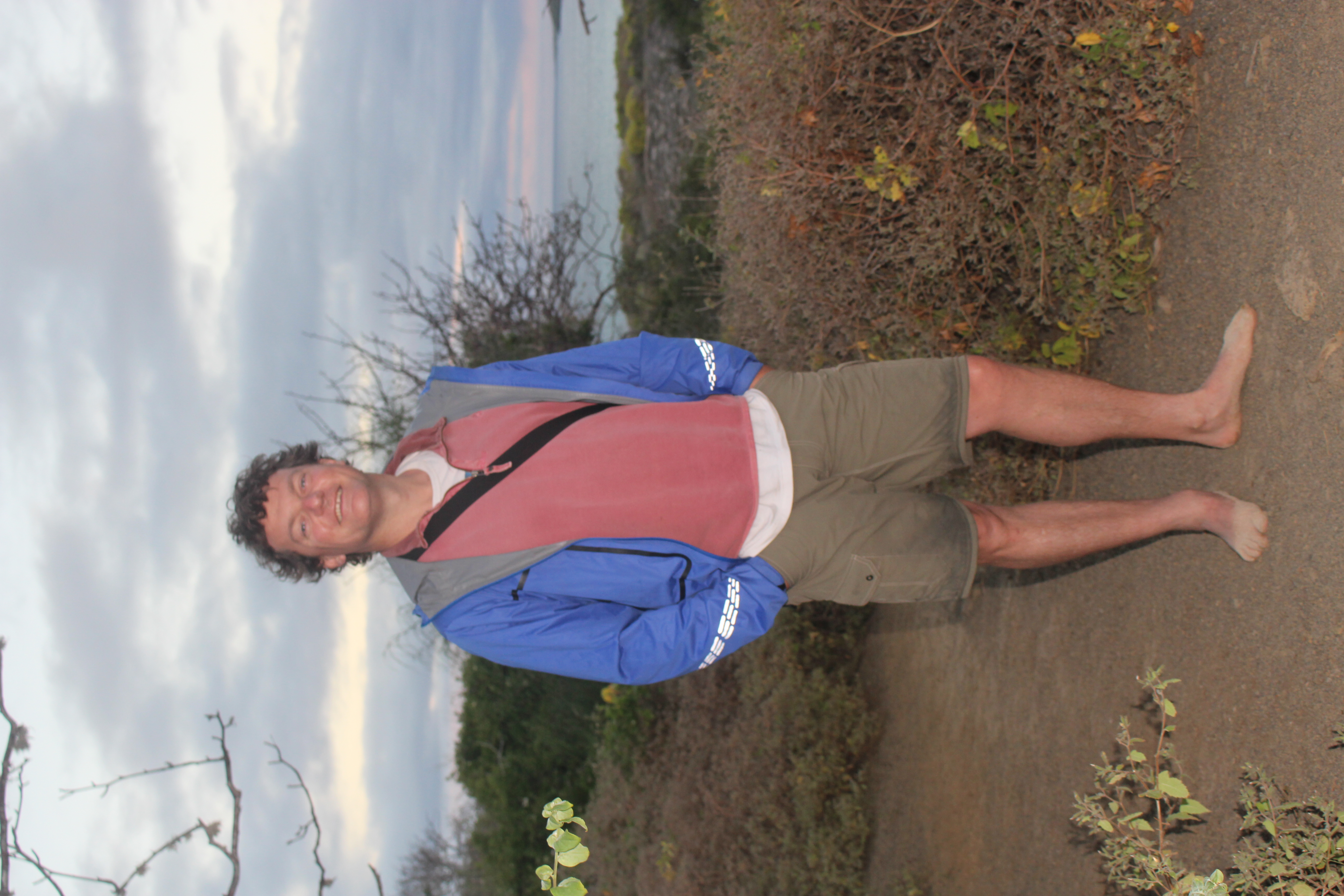
Starting on the 8th June, I'll be competing in a seven day, six stage foot-race called the Gobi March which is a self-supported race over 250km.
I can't quite believe I'm doing it, but very excited to get started!
As an added incentive to survive the distance, I am raising vital funds for Orbis, which is a great charity giving people in developing countries their sight.
You can follow my progress (or otherwise!) during the race at www.racingtheplanet.com - many thanks in advance for those who contribute - I'll send you an update.
Andrew
The Gobi March takes place in theGobiDesertof northwest. TheGobiis the world's largest cold winter desert, made up mostly of mountains, rocks, grasslands, salt flats and sand dunes. At 500,000 square miles (1,300,000 square kilometers) it is nearly twice the size of Texas and sprawls across much of and . TheGobi(Mongolian word for "waterless place") certainly lives up to its name with less than three inches of rain falling each year.
Gobi March competitors can expect a diverse landscape including: slot canyons, salt flats, rivers, mountain ridges, rocky terrain and sand dunes. Competitors will witness local nomadic Uygur, Kazak and Mongolian tribes living as they have for thousands of years. The course is abundant in wildlife such as rare horses, camels, eagles and even gazelle.
The weather in theGobican be very extreme so competitors must be prepared for a wide range of conditions. Competitors in theGobiMarch 2005 experienced snow patches at the beginning of the event followed by days that reached well over 32 degrees Celsius (100 degrees Fahrenheit). Competitors should also be prepared for violent sand storms and strong winds that are prone to hit during April and May.