


Story
Next April, I will be taking part in the London Marathon to raise funds and awareness for Parkinson’s UK.
Just over two years ago, at the relatively young age of 72, my Grandma was diagnosed with Parkinson’s disease. After several brain scans and tests, she was told she also had Lewy body dementia - the second-most common form of dementia after Alzheimer’s.
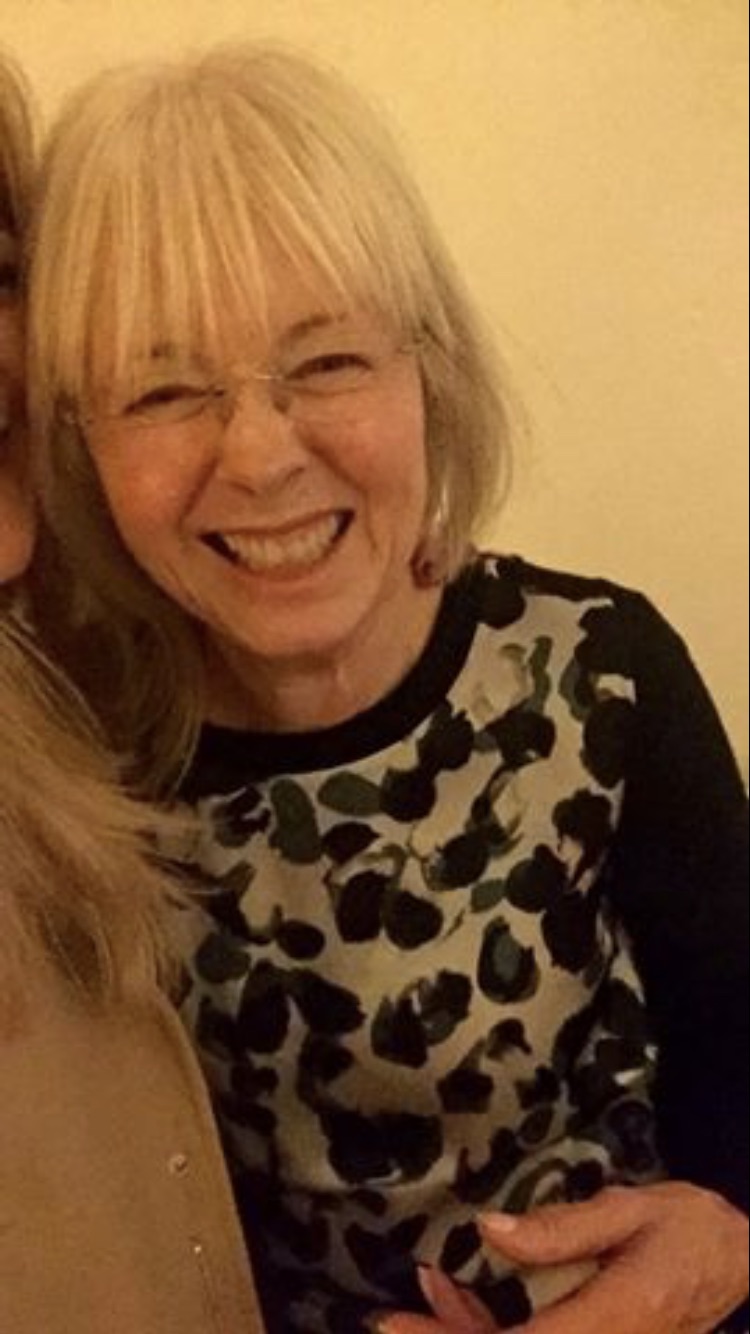
My Grandma had been the life and soul of our family. She was at the centre of every occasion, making everyone smile and feel looked-after. Always immaculately dressed and made-up, her youthful looks meant she would often get mistaken for my mum, my mum’s sister, and once even my dad’s wife! Grandma was also very active and sociable, enjoying regular walking trips with friends, gardening and weekly games of bridge.
Now that my Grandma has Parkinson’s, a lot of this has changed. But underneath, she is still the woman we all know and love. Some days are good, others are bad. Although she struggles to tell stories or engage in conversation, pours cups of waters onto her food and falls asleep in restaurants, we still see glimmers of happiness and a sense of humour. Parkinson’s has cruelly limited the joy my Grandma had and all the things she loved doing. She can no longer drive, go on holidays, or potter around the garden. She is housebound and dependent upon full-time care.
As horrible as the disease is, Parkinson’s has strengthened our family and we have come together to support my Grandma as well as my Papa, who devotes his time to caring for her. The flow of different visitors and the many gifts she receives are testament to the many incredible friendships my Grandma has built up over the years.
There are many misconceptions associated with Parkinson’s. Most people think the only symptoms are tremors. What they are not aware of is the depression, memory issues, digestive problems, difficulties with speech, extreme stiffness, pain, night terrors, day-time sleepiness and visual hallucinations - all of which my Grandma experiences on a regular basis.
One of the most difficult aspects of having a close relative experiencing this devastating disease is coming to terms with the fact that the condition is progressive and will only get worse. I live four doors down from my Grandma and it has been heart-breaking to have watched her deteriorate in front of our eyes.
There is currently no cure for Parkinson's disease or any type of dementia, and we do not know what the cause is. One person in every 500 has Parkinson’s, which equates to around 127,000 people in the UK. This number is set to rise by 2020 to 162,000. Every hour, someone in the UK is told they have Parkinson's.
The money I raise will help fund vital research into finding better treatments as well as ways to improve the quality of life for people with Parkinson's and the people that care for them.
Please help me by contributing to the ongoing fight against curing this debilitating disease.
Many thanks
Alix
Just over two years ago, at the relatively young age of 72, my Grandma was diagnosed with Parkinson’s disease. After several brain scans and tests, she was told she also had Lewy body dementia - the second-most common form of dementia after Alzheimer’s.
My Grandma had been the life and soul of our family. She was at the centre of every occasion, making everyone smile and feel looked-after. Always immaculately dressed and made-up, her youthful looks meant she would often get mistaken for my mum, my mum’s sister, and once even my dad’s wife! Grandma was also very active and sociable, enjoying regular walking trips with friends, gardening and weekly games of bridge.
Now that my Grandma has Parkinson’s, a lot of this has changed. But underneath, she is still the woman we all know and love. Some days are good, others are bad. Although she struggles to tell stories or engage in conversation, pours cups of waters onto her food and falls asleep in restaurants, we still see glimmers of happiness and a sense of humour. Parkinson’s has cruelly limited the joy my Grandma had and all the things she loved doing. She can no longer drive, go on holidays, or potter around the garden. She is housebound and dependent upon full-time care.
As horrible as the disease is, Parkinson’s has strengthened our family and we have come together to support my Grandma as well as my Papa, who devotes his time to caring for her. The flow of different visitors and the many gifts she receives are testament to the many incredible friendships my Grandma has built up over the years.
There are many misconceptions associated with Parkinson’s. Most people think the only symptoms are tremors. What they are not aware of is the depression, memory issues, digestive problems, difficulties with speech, extreme stiffness, pain, night terrors, day-time sleepiness and visual hallucinations - all of which my Grandma experiences on a regular basis.
One of the most difficult aspects of having a close relative experiencing this devastating disease is coming to terms with the fact that the condition is progressive and will only get worse. I live four doors down from my Grandma and it has been heart-breaking to have watched her deteriorate in front of our eyes.
There is currently no cure for Parkinson's disease or any type of dementia, and we do not know what the cause is. One person in every 500 has Parkinson’s, which equates to around 127,000 people in the UK. This number is set to rise by 2020 to 162,000. Every hour, someone in the UK is told they have Parkinson's.
The money I raise will help fund vital research into finding better treatments as well as ways to improve the quality of life for people with Parkinson's and the people that care for them.
Please help me by contributing to the ongoing fight against curing this debilitating disease.
Many thanks
Alix