
 Campaign by
Story
The Problem
Burton Mere Wetlands is one of the most important reserves in the UK for breeding waders, with around 200 pairs of waders, particularly Avocet, Lapwing and Redshank, nesting most years. Wading birds are experts at camouflage and so finding nests or chicks requires skill and patience - although even the most experienced RSPB warden struggles to find every nest of the most cryptic species like Redshank.
As well as at Burton Mere, Redshank nest in considerable numbers out on the saltmarsh reserves at Burton and Parkgate, where the difficult terrain makes nest finding even more challenging.
The Solution
There is where thermal imaging technology could be such a game-changer, allowing us to find nests, eggs and hidden chicks, much more easily. This would not only allow us to more accurately record breeding numbers, as well as how successful wader parents had been in successfully fledging chicks, but would also assist enormously in monitoring impacts and changes over the breeding season more effectively. Furthermore, a drone with silent flying blades and thermal imaging photography creates much less disturbance to species such as waders that are particularly sensitive to the impacts of disturbance.
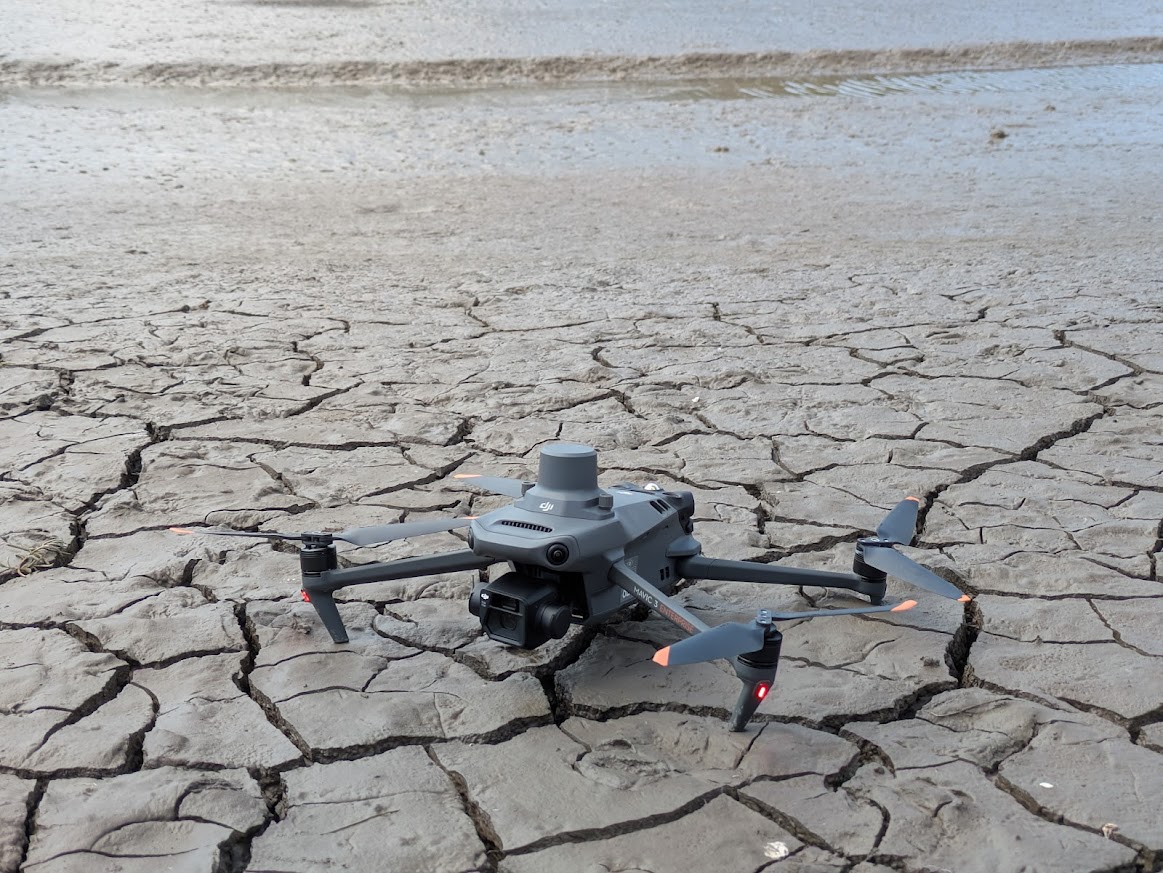
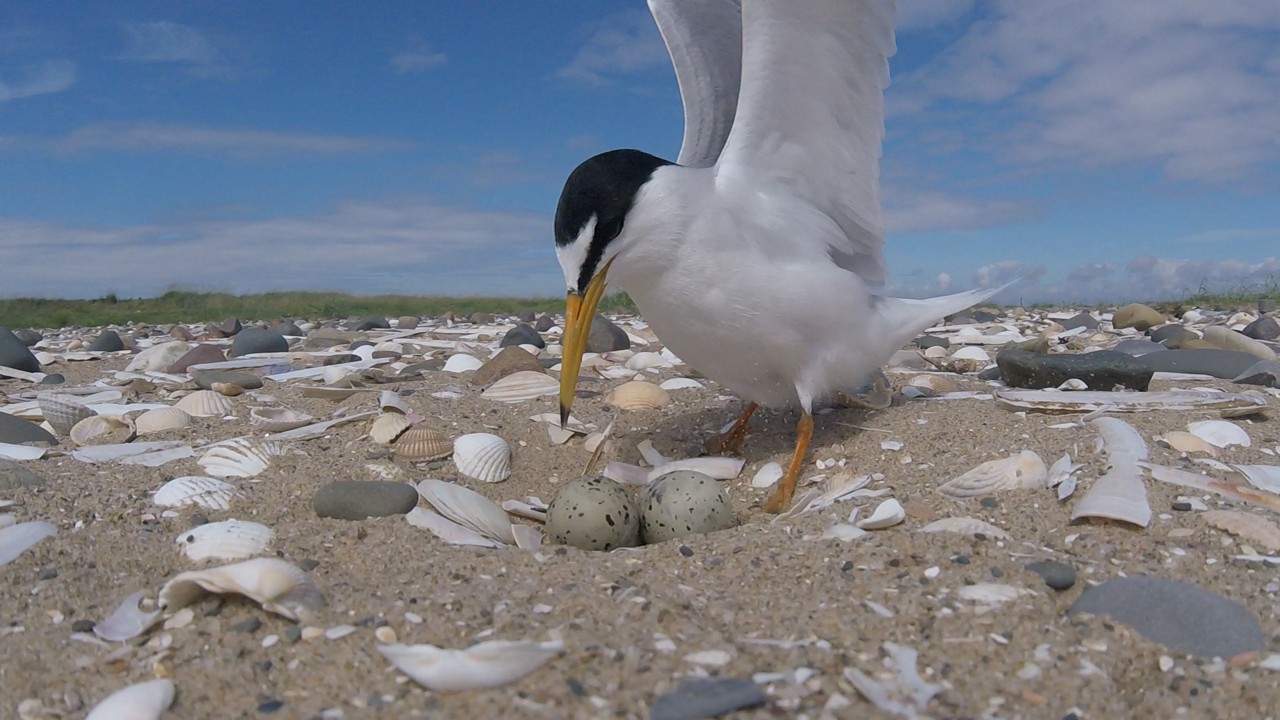
As well as waders, the drone will also be used to monitor other nesting species that are difficult to accurately monitor, including reedbed nesting Marsh Harriers, Little Terns at Point of Ayr - especially when their chicks have left the nest and hide away in long dune vegetation - and the tree-top heronry at Marsh Covert, where nesting Spoonbills and Great White Egrets hide amongst the Grey Herons and Little Egrets.
Should we be unable to secure the funding required to realise this project, your donations will be used to benefit other vital work at the RSPB Dee Estuary reserves. Similarly, if we achieve target, then any donations over and above will also go to helping to fund work at these sites.