

Story
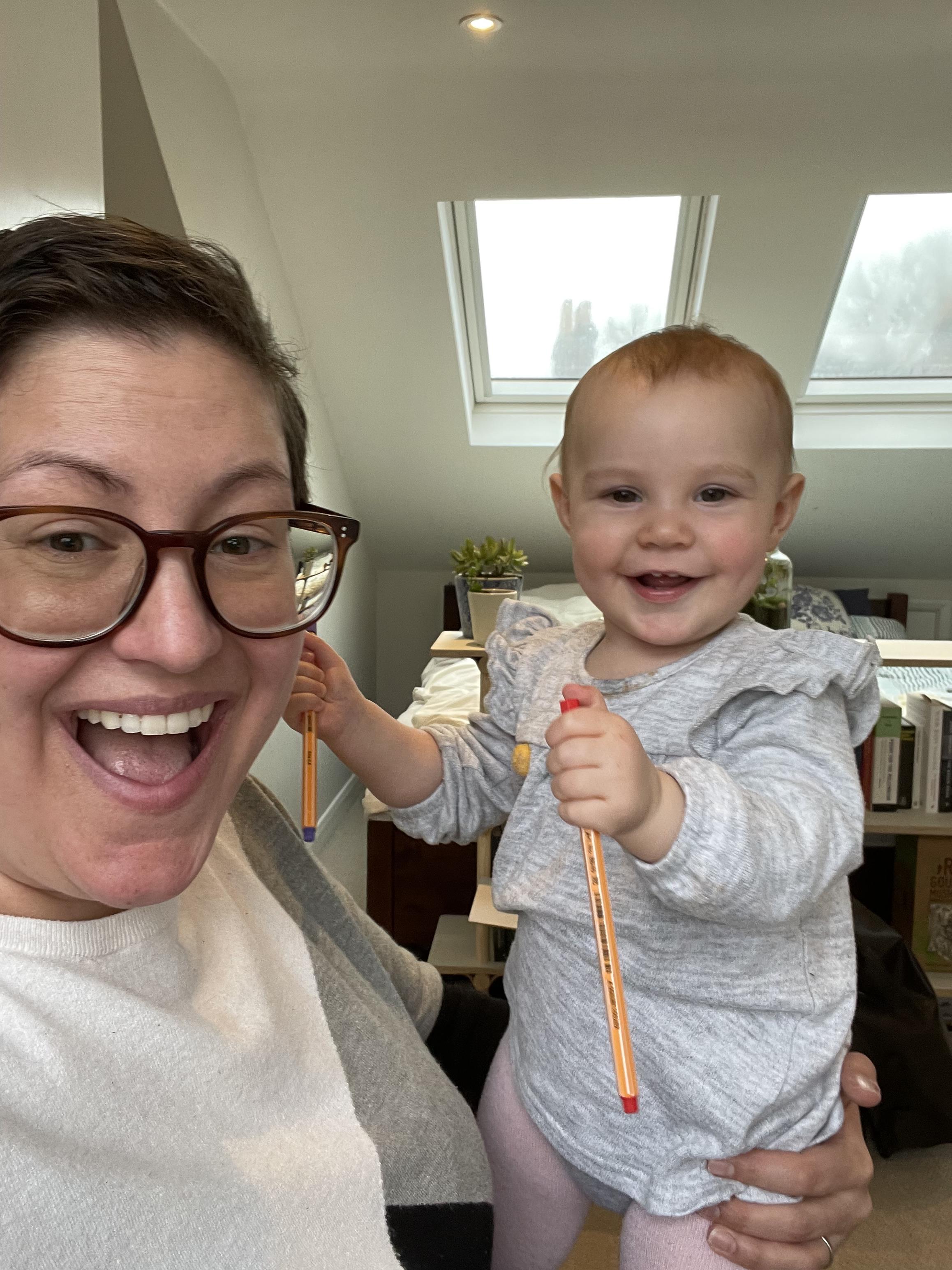
A year in lockdown and post-baby hair loss has left my locks in need of a change. With a two year old toddler and a 5 month old baby I've had to learn how to do a lot of things with one hand. Every time I balanced a crying baby whilst trying to put my hair up, butter toast or open a snack packet, I'd think, 'how do people do this?!' But this is just one of the many things that thousands of stroke survivors have to do every day whilst also coping with their recovery and life after stroke.
This is why I'm challenging myself to dispense with vanity and shave my head on 8th August 2021 to raise money for the Stroke Association.
- For any amount raised - I'll give myself a brutally short at-home chop
- For over £1,000 - I'll buzz my hair to a number 2 all over
- For over £2,000 - I'll do a full wet shave for a baby smooth scalp
- For over £2,500 - I'll live stream the shave
Please donate today. Your donation will help fund vital services across the UK including support and pioneering research to help rebuild lives and the campaigning work that leads to them being available to everyone who needs them.
Stroke strikes every five minutes. It can affect anyone of any age, and there are over 1.3 million stroke survivors living in the UK.
The Stroke Association is the only UK charity that focuses exclusively on stroke research. But the pandemic has cut our research budget in half, putting vital improvements in treatment and care at risk.
When stroke strikes, part of your brain shuts down. And so does a part of you. Life changes instantly and recovery is tough. But the brain can adapt. Thanks to breakthroughs in stroke research, many people have been spared the most devastating effects of stroke and benefitted from innovative treatments and care.
And crucially, since the first UK lockdown in March 2020, over 130,000 people would have had a stroke. Life in lockdowns have been difficult for so many people, but imaging having had a stroke in that time. Stroke survivors face challenges to their recovery at every time, but during the pandemic it's been worse, with earlier discharge from hospital, fewer support services in the community and much more social isolation. Imaging having had a stroke that took away your ability to speak, walk or read. These are the battles that stroke survivors are coping with daily; before, during and after the pandemic.