

Story
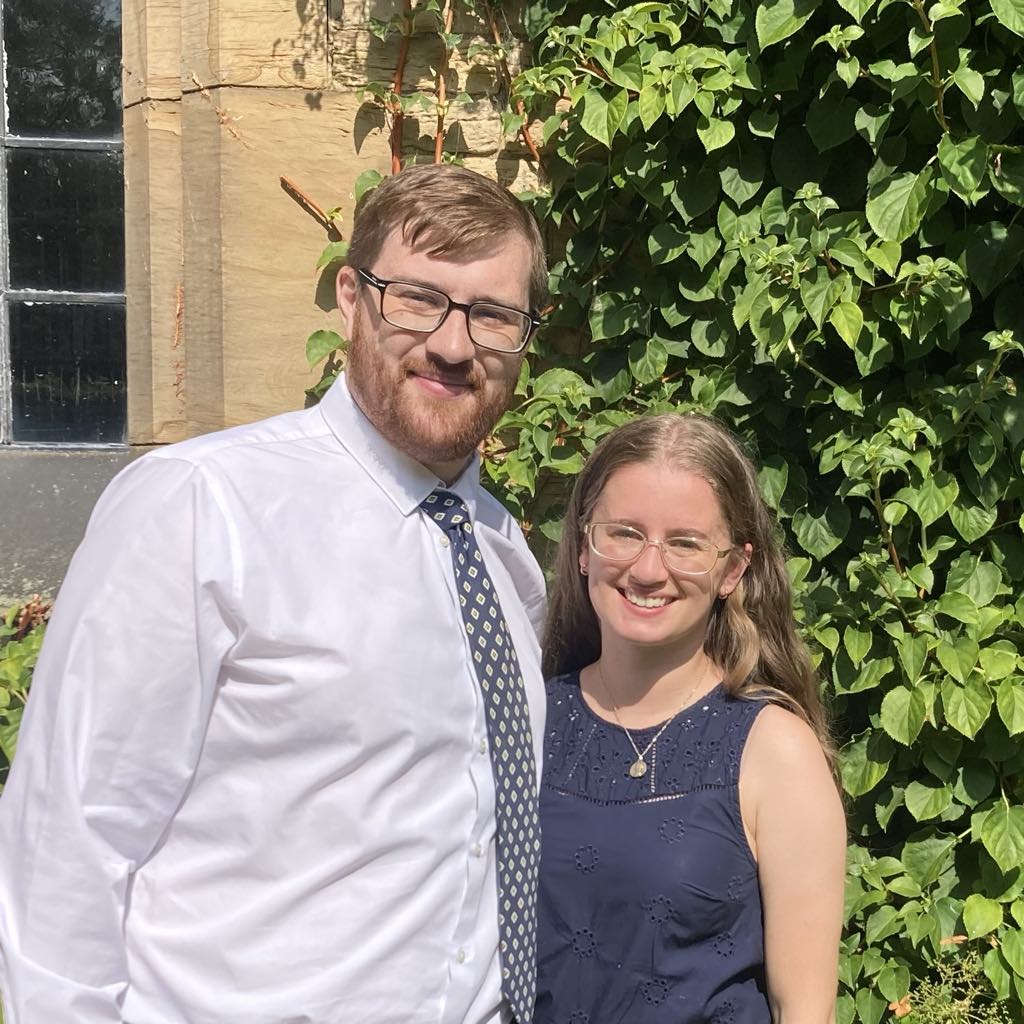
In 2014, when he was 17 years old, Richard was diagnosed with chondrosarcoma in his left humerus.
Chondrosarcoma is a rare cancer that most often forms in the bone, but can also very rarely appear in the soft tissue. It is the most common primary bone cancer in adulthood, and the second most common primary bone cancer overall. It makes up around 25% of all malignant bone cancer cases. The tumour is made of cells that produce cartilage.
The main and still the most successful treatment option for chondrosarcoma is surgery to remove the tumour, with chemotherapy and radiotherapy not being very effective.
Richard's chondrosarcoma was in an advanced stage with a tumour developing on the outside of the bone. The only treatment would be to remove the bone. If Richard had been diagnosed two years earlier with the same cancer, the only treatment plan available would have been the amputation of his left arm.
Instead, Richard became the 4th person in the world to have a full endoprosthetic replacement of humerus.
Thanks to his treatment at the Royal Orthopaedic Hospital in Birmingham, Richard's scans came back cancer free for the next 10 years.
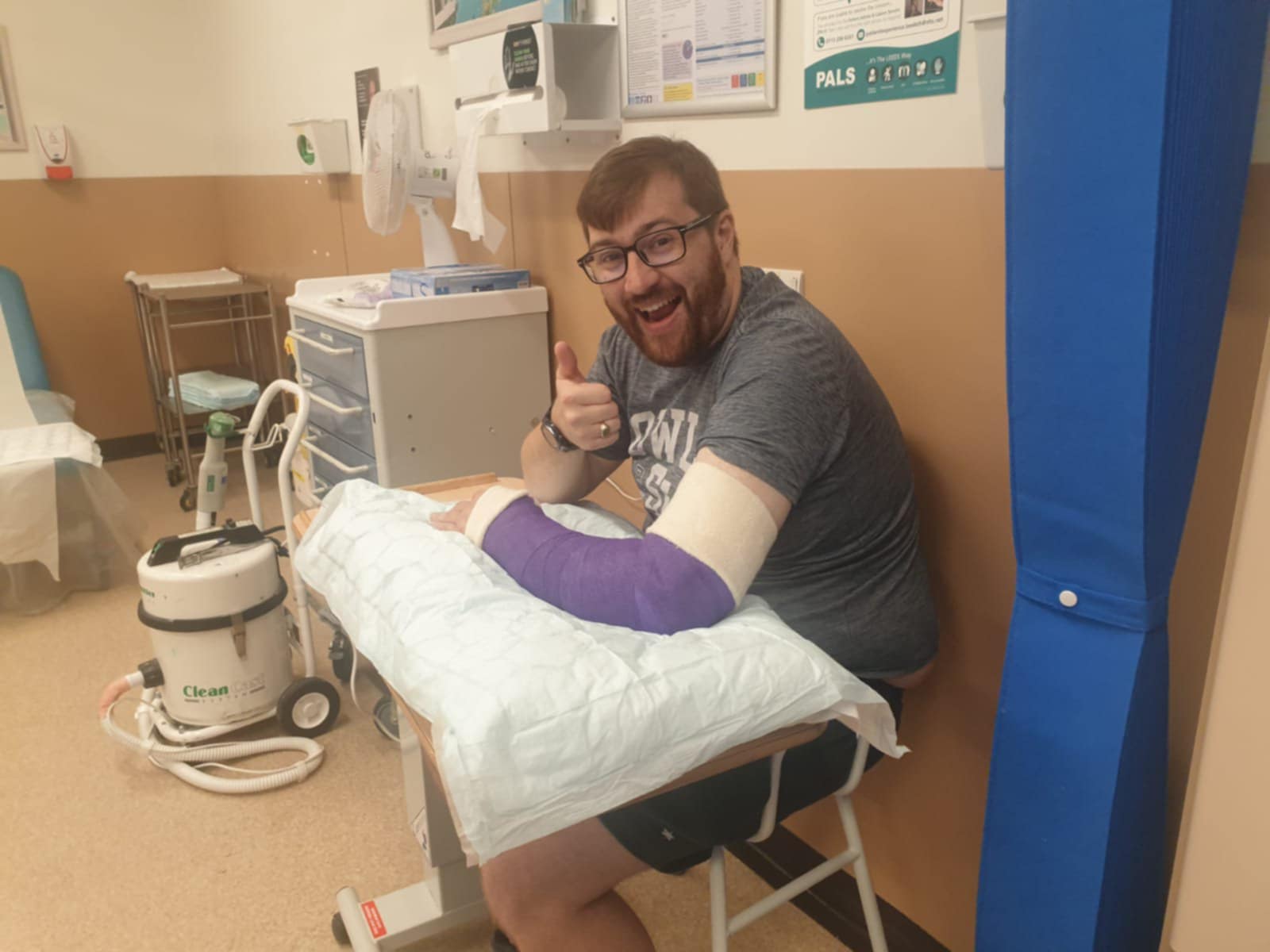
Then, last summer, Richard broke his left forearm playing football. The bone failed to heal and revealed another, but smaller, chondrosarcoma in his radius. This time, it was possible to remove a section of the bone rather than a full replacement. The team in Birmingham removed the cancerous bone and replaced it with part of his right fibula, with a metal place holding it all together.
In his most recent scans in May, Richard again showed no signs of cancer in his arm or chest.
In both cases, we are aware that Richard's treatment was only possible because of the research that had gone before. It could so easily have turned out differently for him. That's why I'm running the London Marathon for Bone Cancer Research Trust - to help those with chondrosarcoma and other types of bone cancer to get the best possible treatment.
The Bone Cancer Research Trust is the only charity dedicated to this disease, it is a small but national charity based in Leeds, UK. They fund ground-breaking research, life-saving awareness initiatives and provide dedicated and trustworthy information and support to patients and all their loved ones... All without any government funding. They rely 100% on people like you supporting their work through donations.
Their work has never been so crucial and vital. Figures from the National Cancer Research Institute (NCRI) have shown that research into primary bone cancer continues to be critically underfunded, with the main UK charities allocating just 0.02% of the £630million research investment for 2020-21 to this devastating disease.