
Story
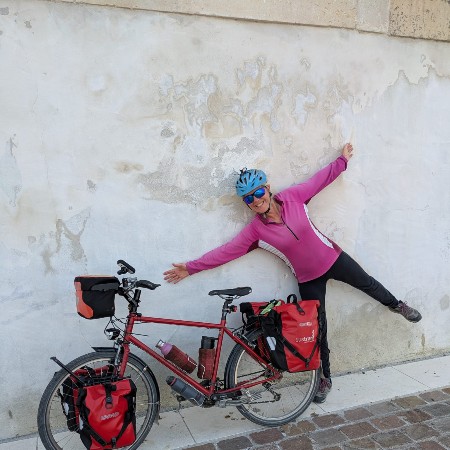
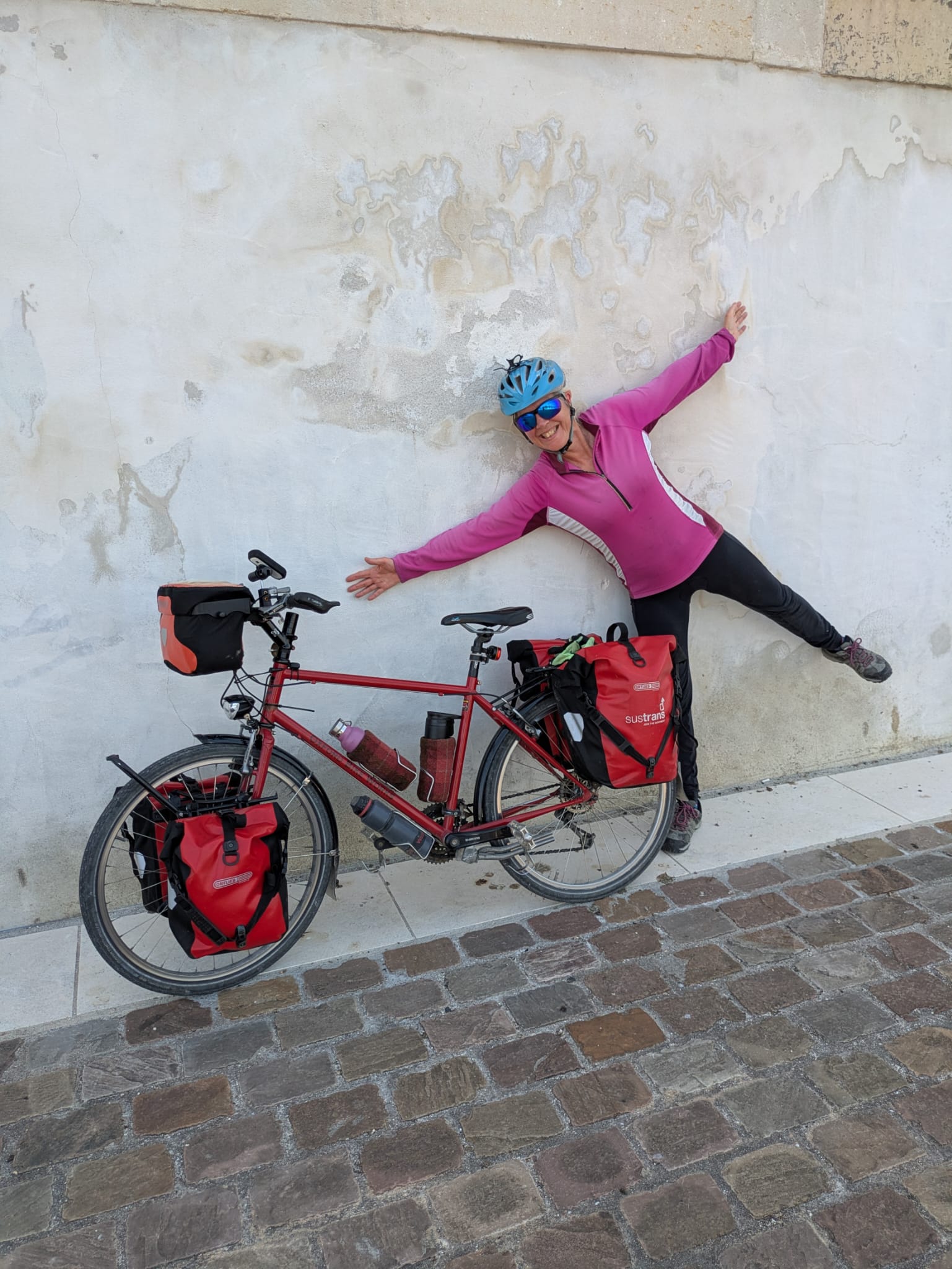
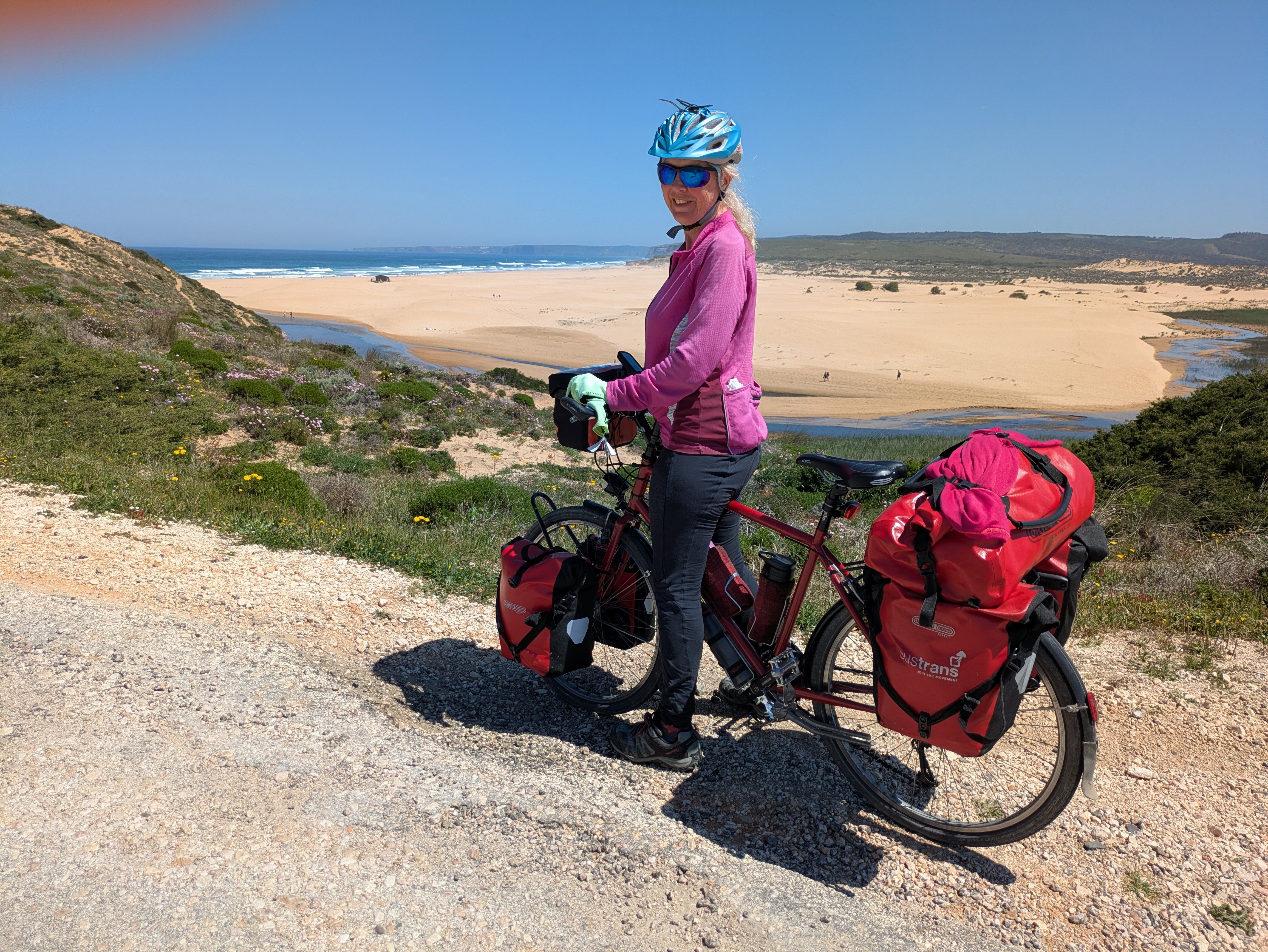
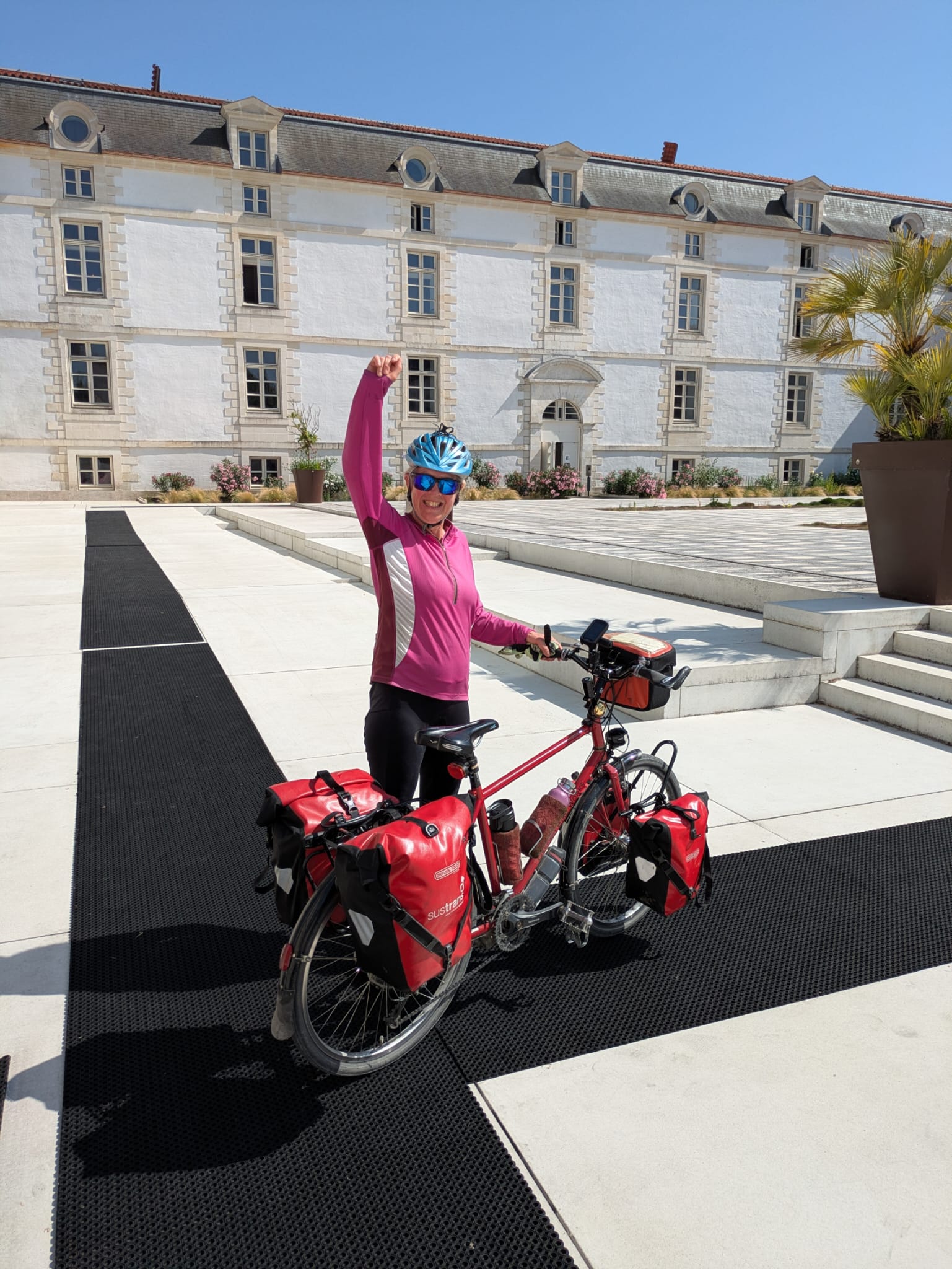
I am attempting to cycle the entire Atlantic Coast Cycle Route (EuroVelo 1): 6,835 miles from the desert‑like landscapes of Portugal and Spain to the northernmost point of Europe, three hundred miles above the Arctic Circle. I’m doing this as a woman in my sixties, travelling solo with my bicycle, Margaret.
So far, Margaret and I have ridden 4,823 miles (7,761 km) through Portugal, Spain, France, England, Wales, Scotland and half of Ireland. Much of the route has been off‑road- rough gravel and dirt tracks, deep sand, bogs, swamps and mountain passes.
Now comes the most challenging stretch of all. Norway lies ahead- 2,980 km (1,851 miles) with the same total elevation as climbing Everest 3.75 times. It is vast and remote, and both the terrain and the weather can change without warning.
This will be the most demanding part of the entire 11,000 km (6,835 mile) route. I’ll be riding through a landscape carved by glaciers, with long, steep climbs and huge elevation. The narrow, unlit tunnels are unlike anything else on EuroVelo 1- some up to 7 km long, running under the sea, with steep drops in and long climbs out. Traffic noise is amplified, lights can blind you, and it’s easy to feel disorientated. Some tunnels are prohibited to cyclists, forcing detours that I’ve heard are often long, remote and hilly.
The remoteness will be real. As I head north, villages become sparse and shops and services few and far between. I may go hours without seeing another person or reaching a place to buy food. Weather can shift in minutes and can be harsh even in summer. The ferry logistics are complex too- more than thirty ferries, some infrequent, all of which must align within a strict 90‑day visa window. Missing one could mean losing a day.
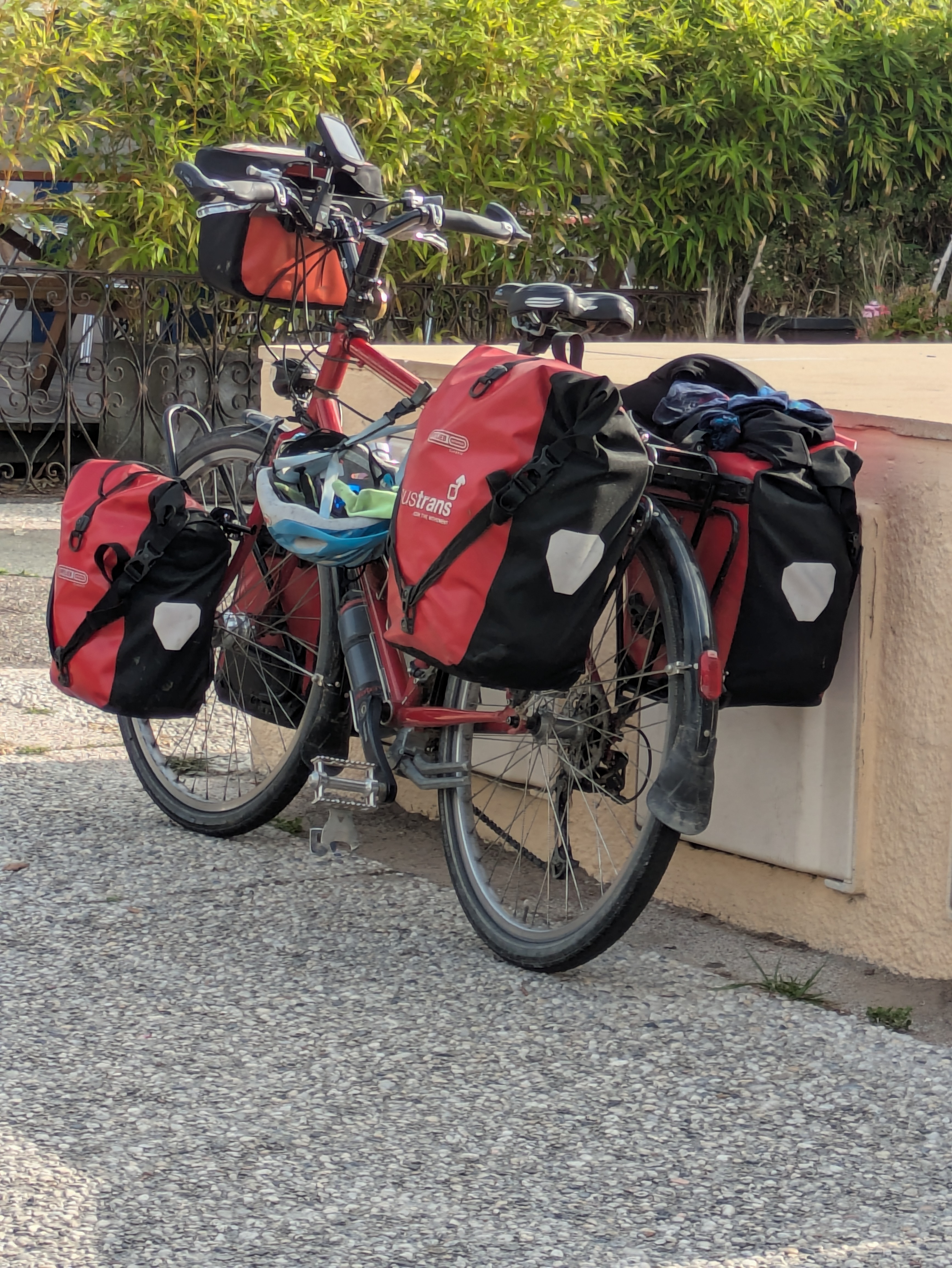
With the high costs in Norway, I’ll be wild‑camping all the way, carrying and cooking all my own food. Keeping up the calories will be one of my biggest challenges. I’ll be generating my own electricity using a solar panel strapped to the back of my bike, powering my phone for emergencies, my Garmin for navigation, and my lights for visibility in bad weather and in the long, dark tunnels.
I am doing this solo and self‑supported, so every decision- navigation, safety, logistics, carrying kit and managing risk rests with me.
If you’d like to follow the journey as it unfolds, you can follow my Facebook page here. https://www.facebook.com/profile.php?id=61576509039625
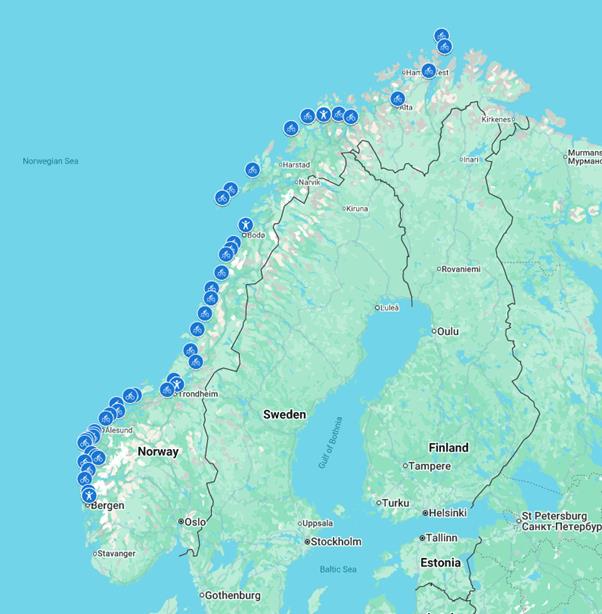
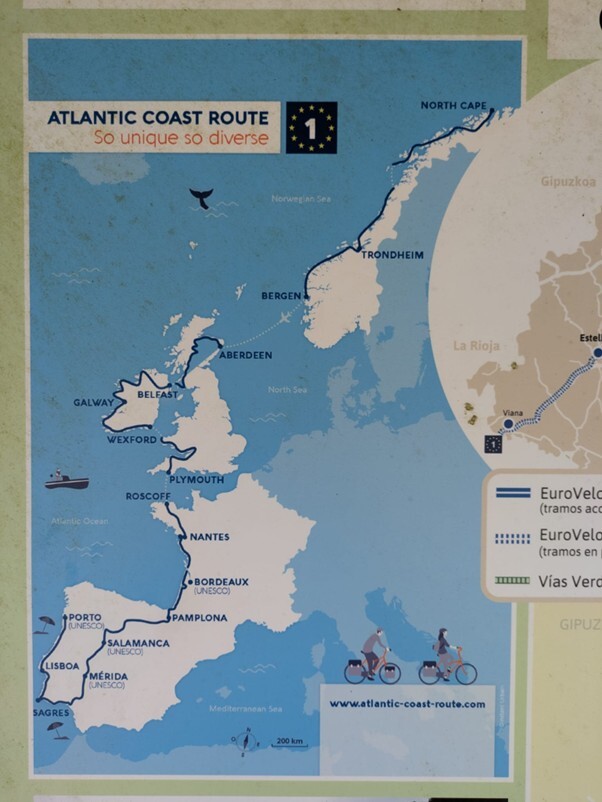
The whole Atlantic Coast route (Eurovelo 1) stretches for more than 11,000 km (6,835 miles) across six European countries. It begins at the northernmost tip of Europe, 300 miles above the Arctic Circle, before winding down around Norway’s fjords to Bergen and then crossing the sea to Aberdeen. From there it follows the coast to Inverness, cuts through the Scottish Highlands to Glasgow, and continues south to Stranraer for the ferry to Belfast. In Ireland, it loops around the rugged north, west and south coasts before reaching Wexford and sailing to Fishguard. Back in Wales, it follows the southwest and south coast to the Severn Bridge, crosses Exmoor, and heads through Devon to Plymouth. From Plymouth it continues from Roscoff down the entire west coast of France into northern Spain, climbing the Pyrenees and other mountain ranges before crossing remote, desert‑like regions. Reaching southern Spain, it turns west along the Algarve, then follows the full length of Portugal’s Atlantic coast to the country’s north‑western border.
I don’t know of anyone who has completed the whole of EuroVelo 1, and I’ve found no full travelogues documenting the entire journey - certainly none written by a woman. Finishing this route will not only be a personal milestone, but also a chance to shine a light on what’s possible, at any age, when you have a purpose in mind and determination.
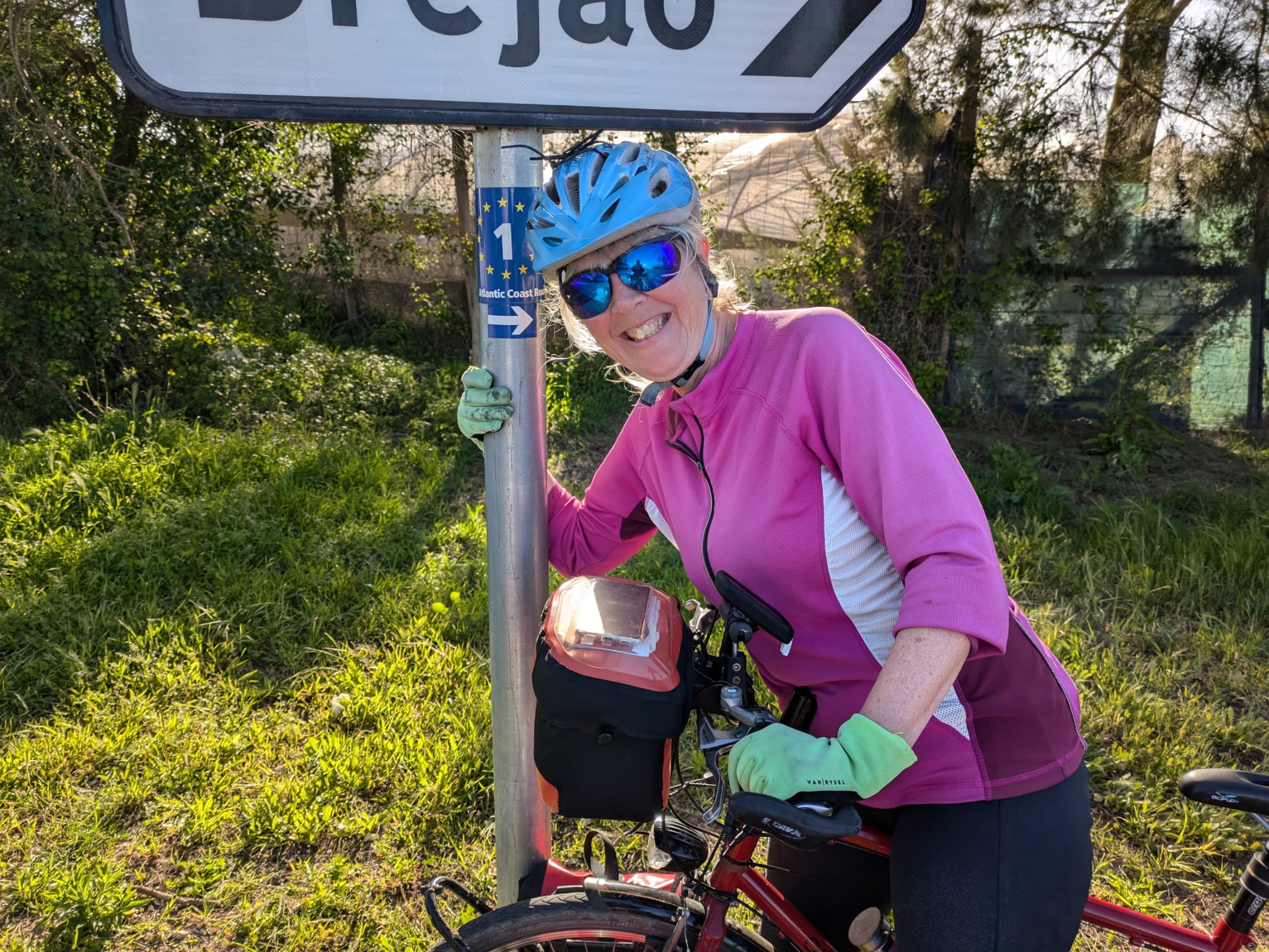
I cycled Ireland in aid of Prostate Cancer, and Portugal, Spain and France in aid of Parkinson’s UK. But it was my father who gave me my adventurous spirit, so I have saved the most challenging stretch to honour him. I will be riding through Norway in aid of Motor Neurone Disease.
I would like to split any money donated: half will support research into Motor Neurone Disease, helping the scientific community better understand the condition and find ways to treat it. The other half will go to the Oxfordshire Branch of the MNDA, enabling them to provide the best possible support to local people living with MND, as well as their carers and families.
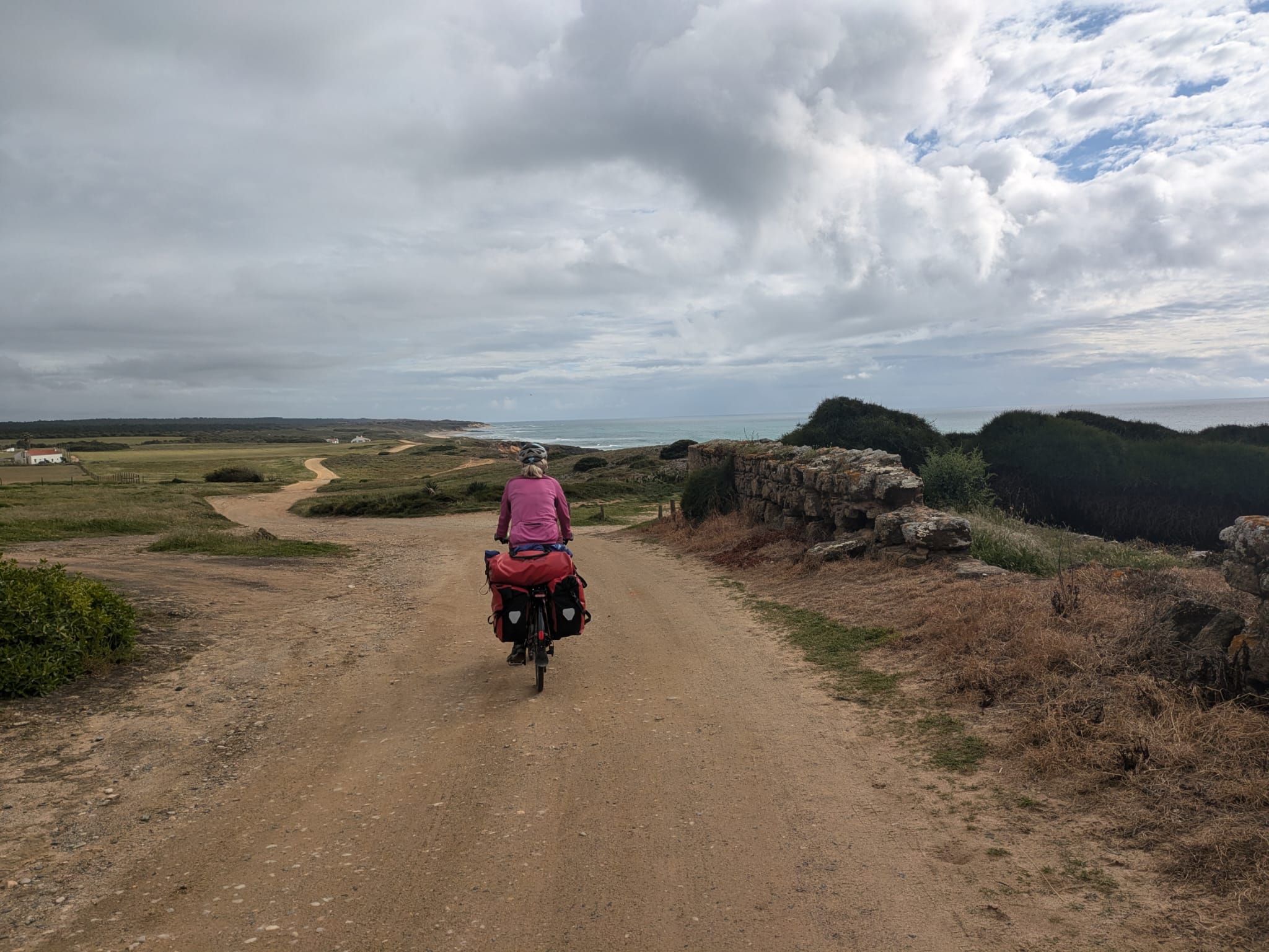
If you’ve been following this journey, or if something in it resonates, I’d be grateful for your support. Norway will be the hardest stretch yet, and I’m riding it in honour of my dad and for everyone affected by Motor Neurone Disease. Every contribution helps me turn this long, demanding route into something that can make a difference. Thank you for being part of the road with me.
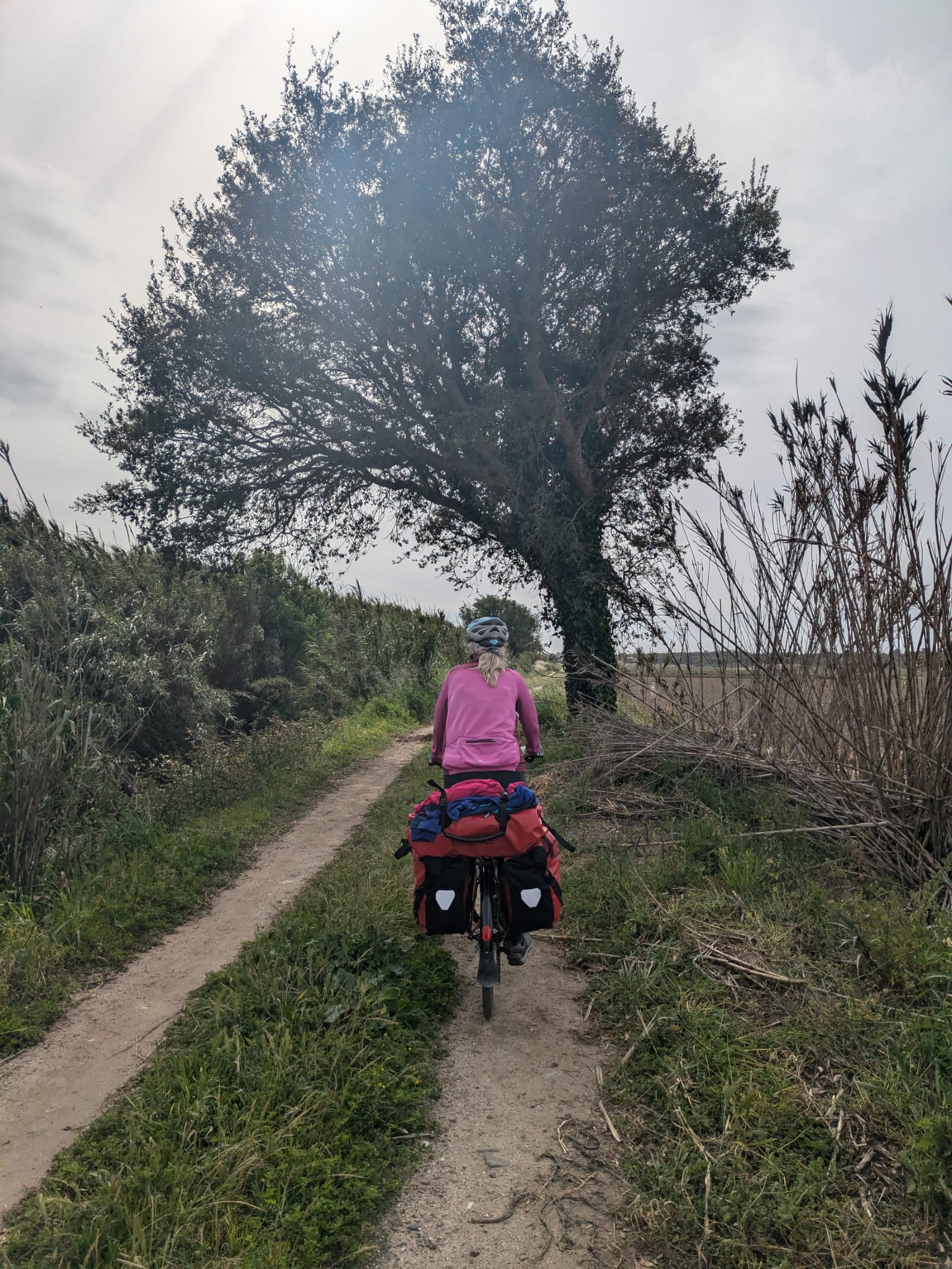
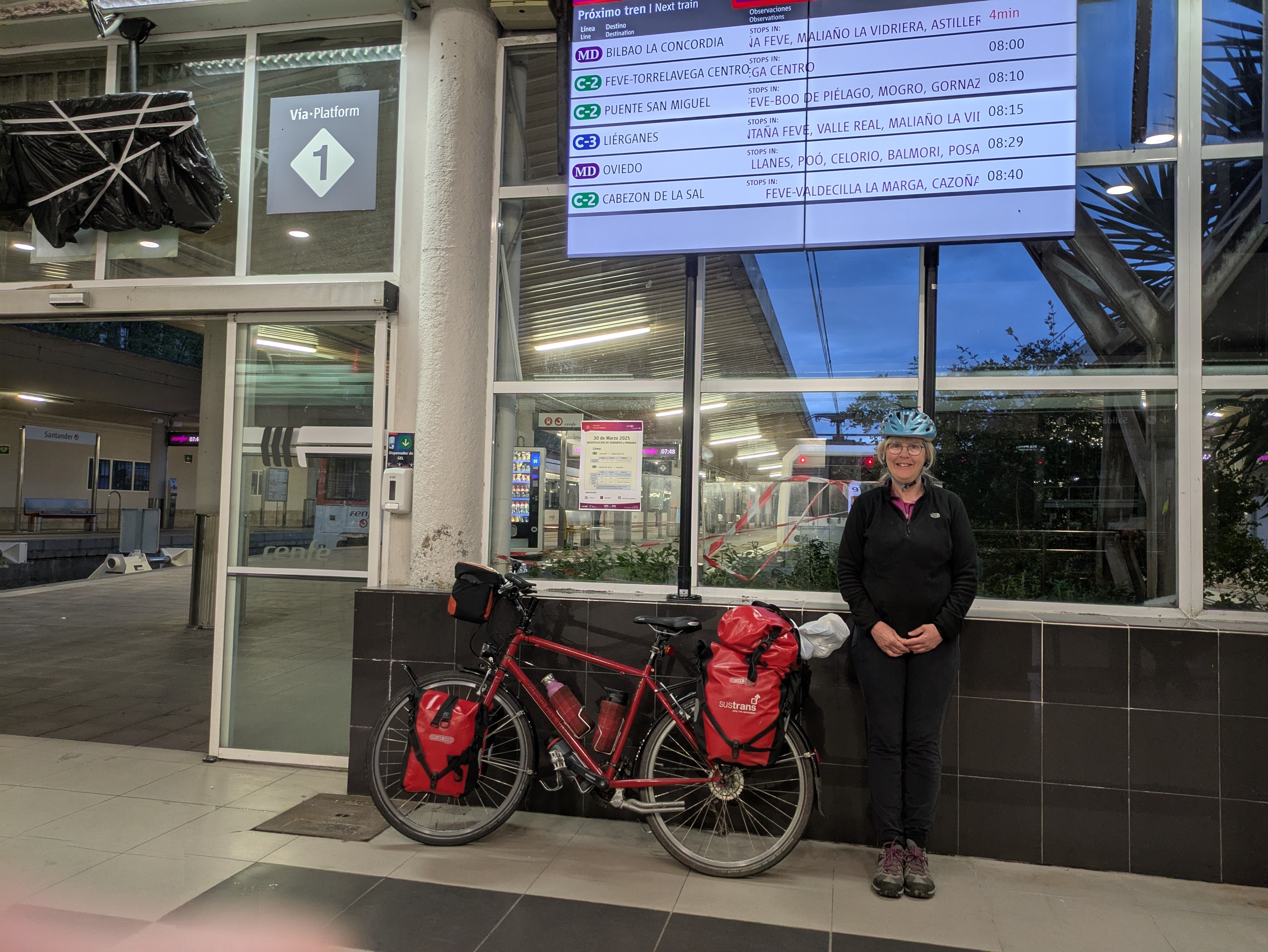
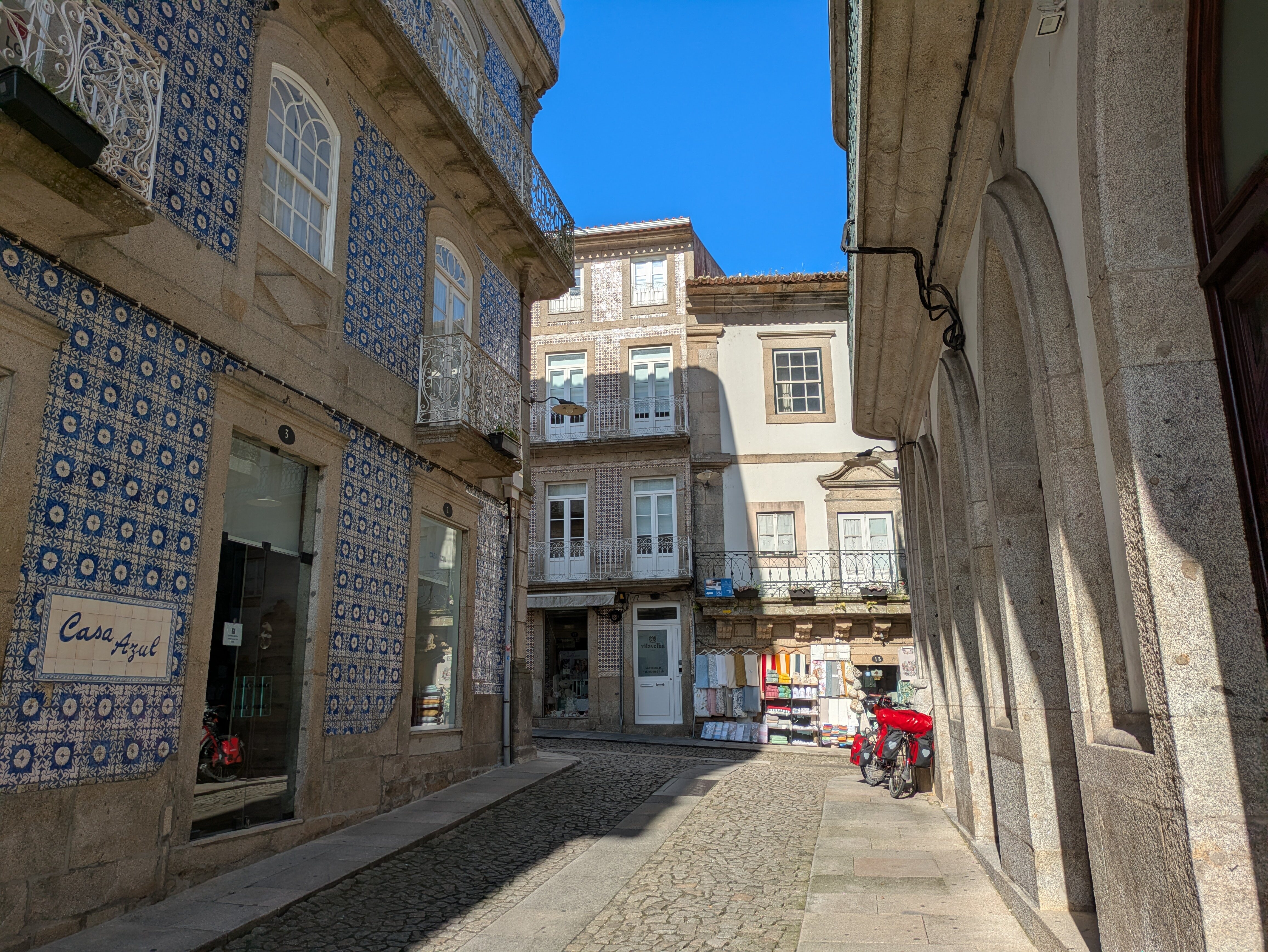
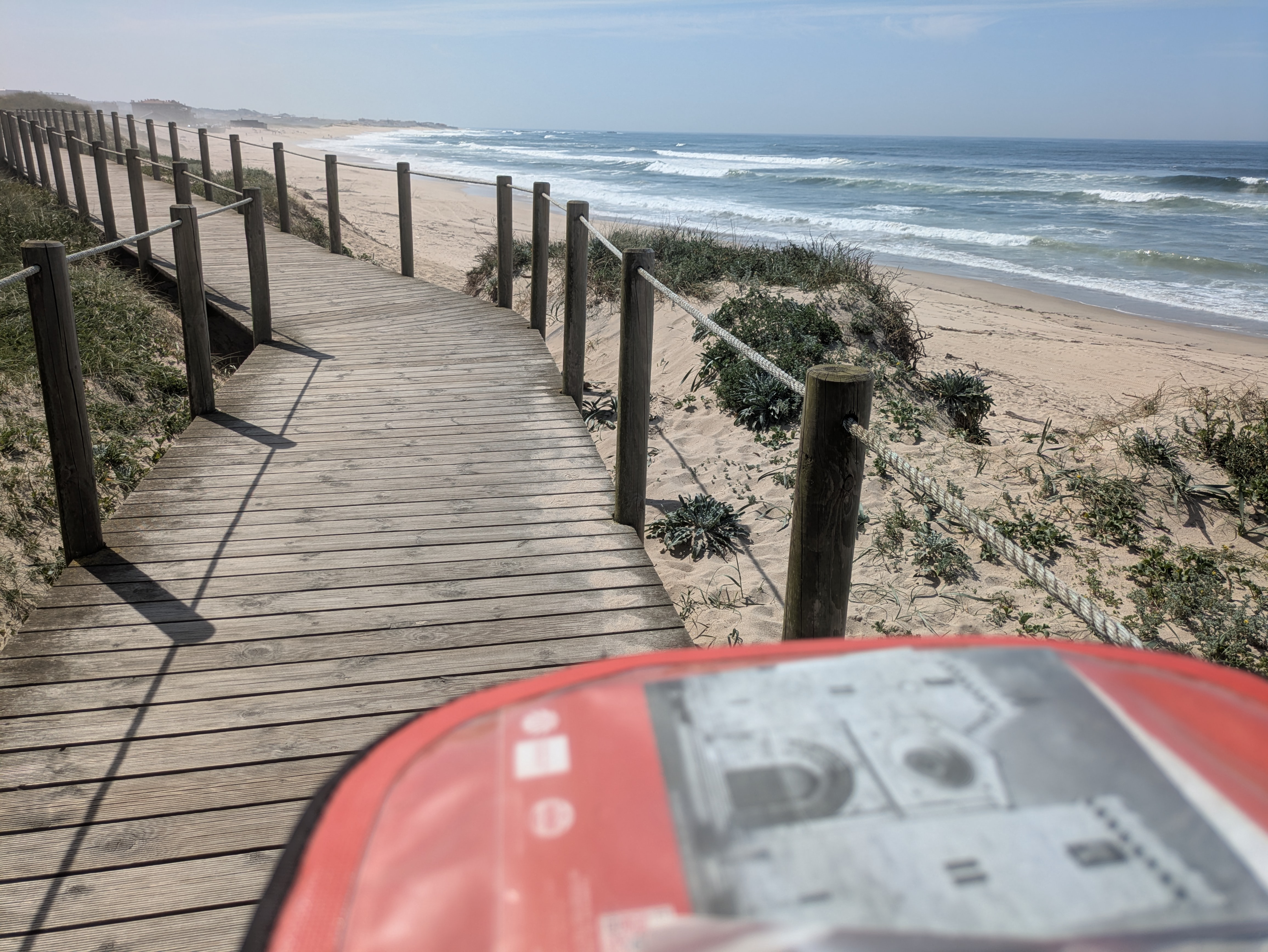
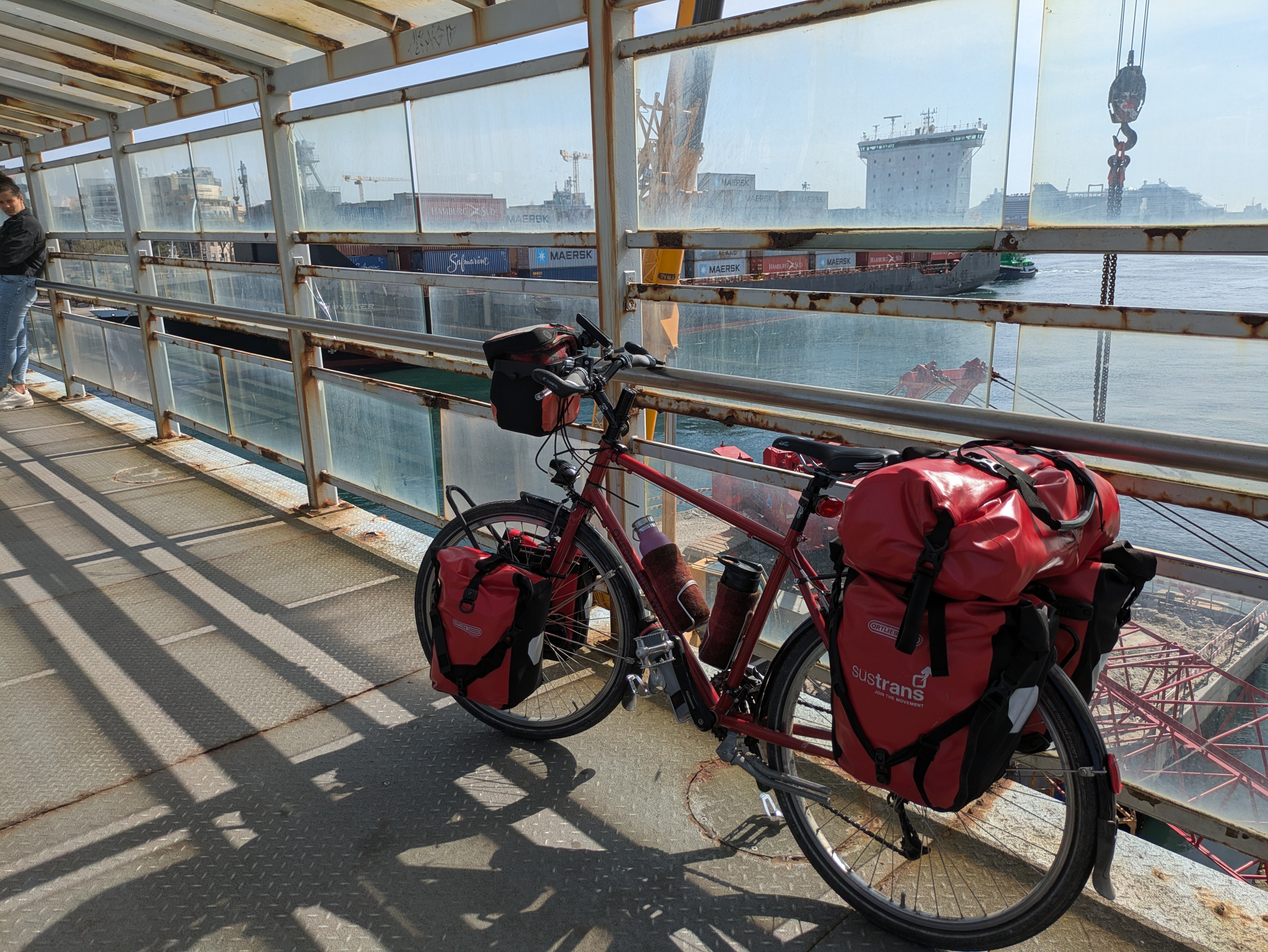
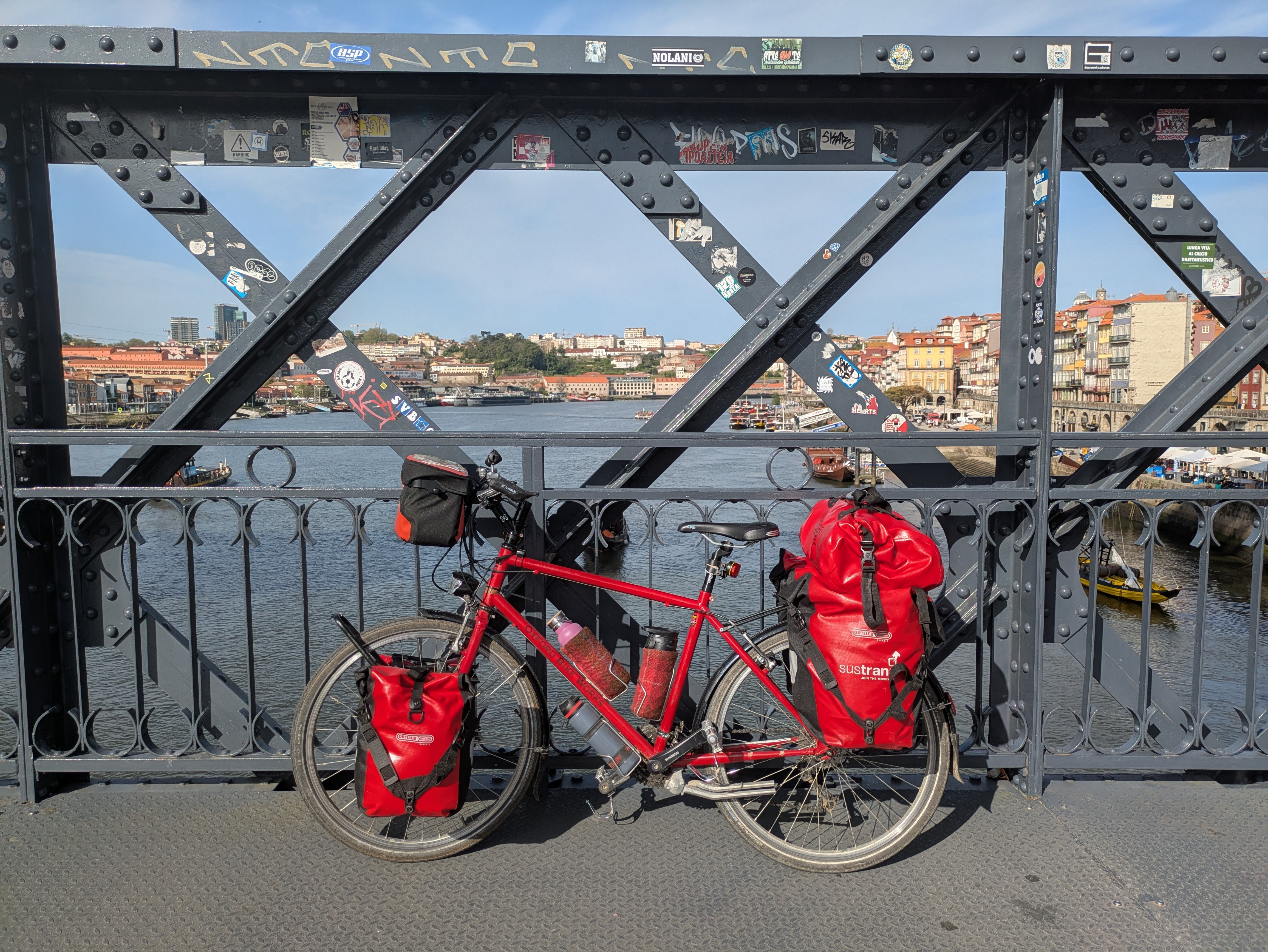
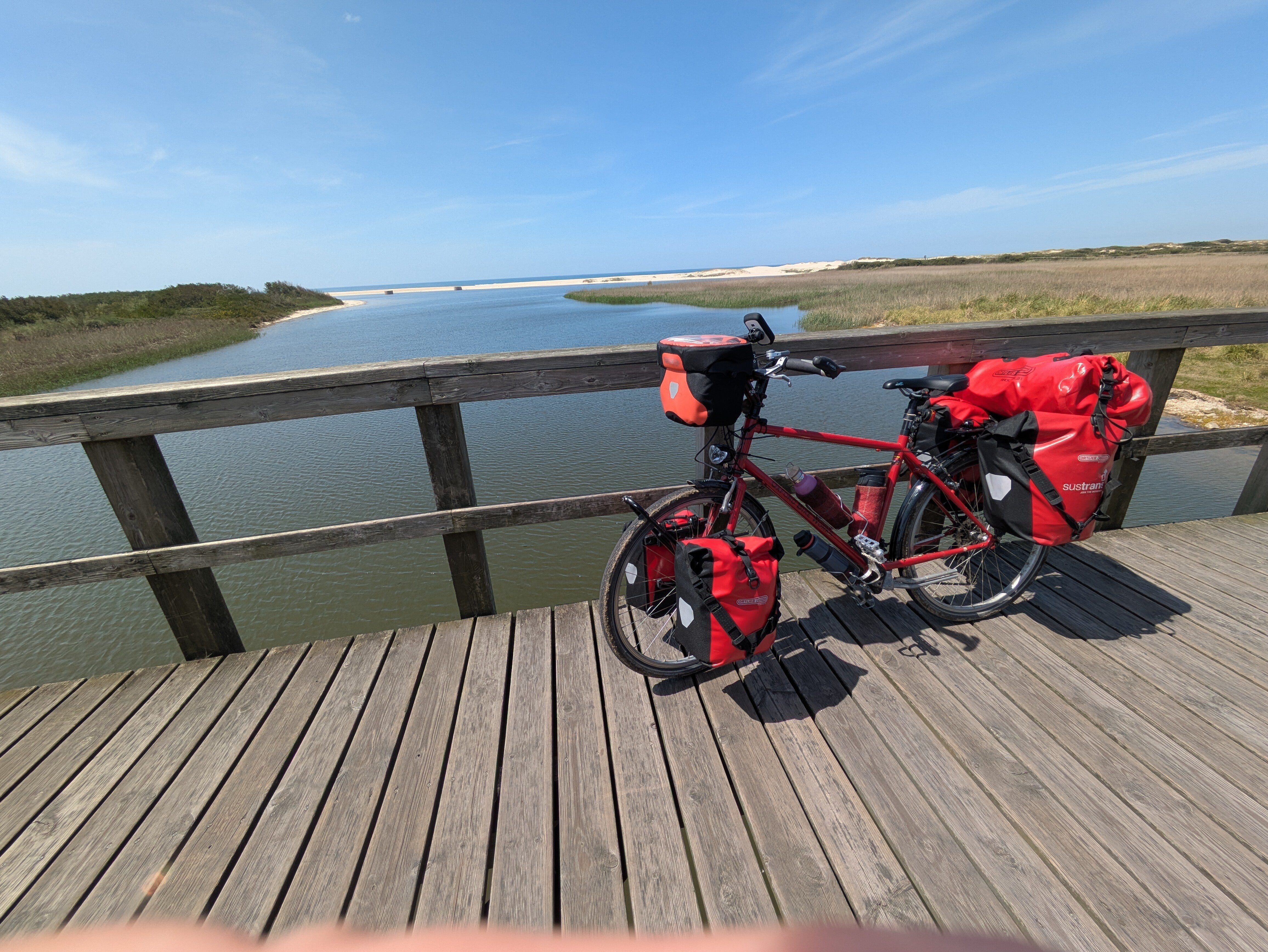
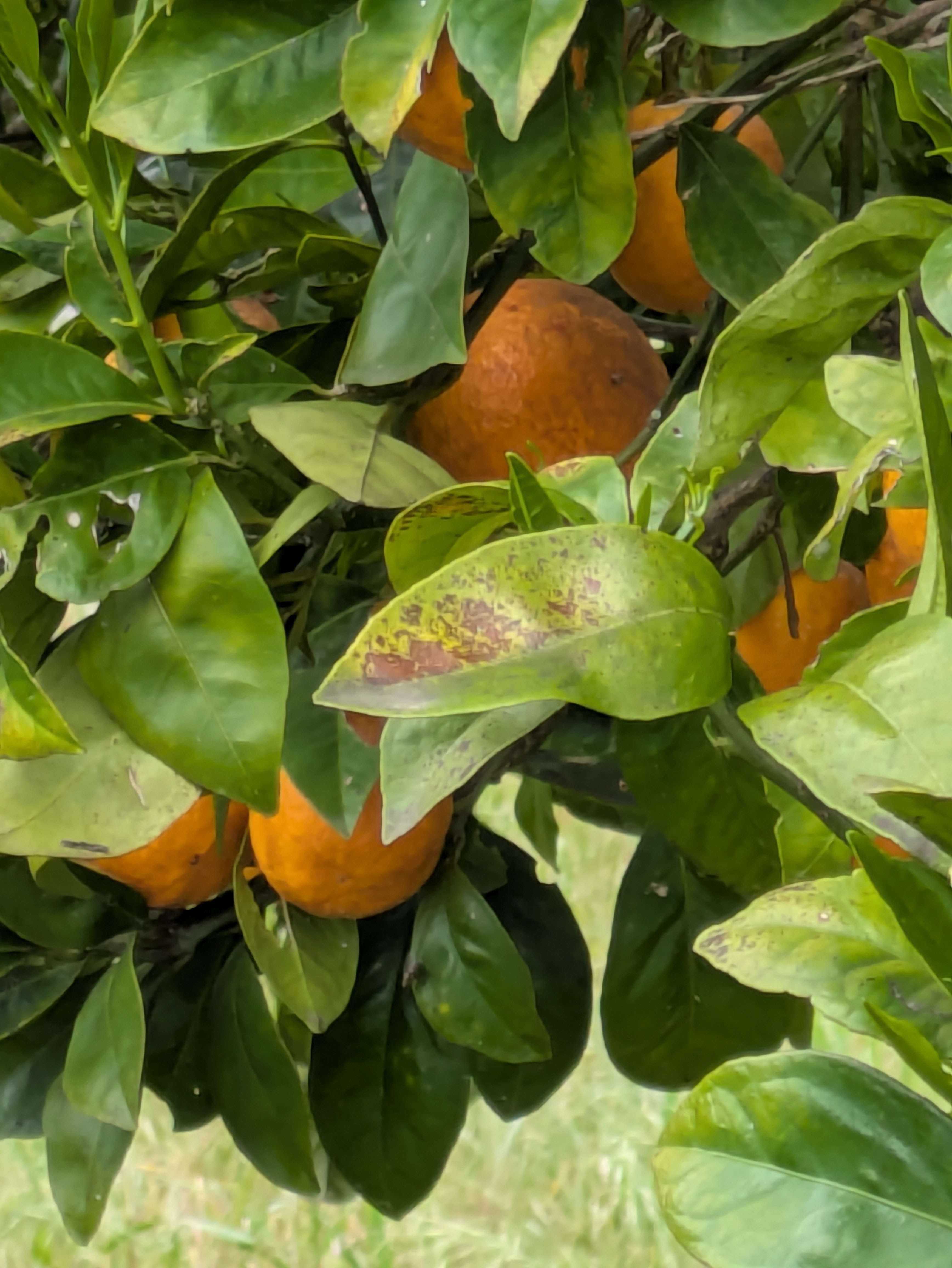
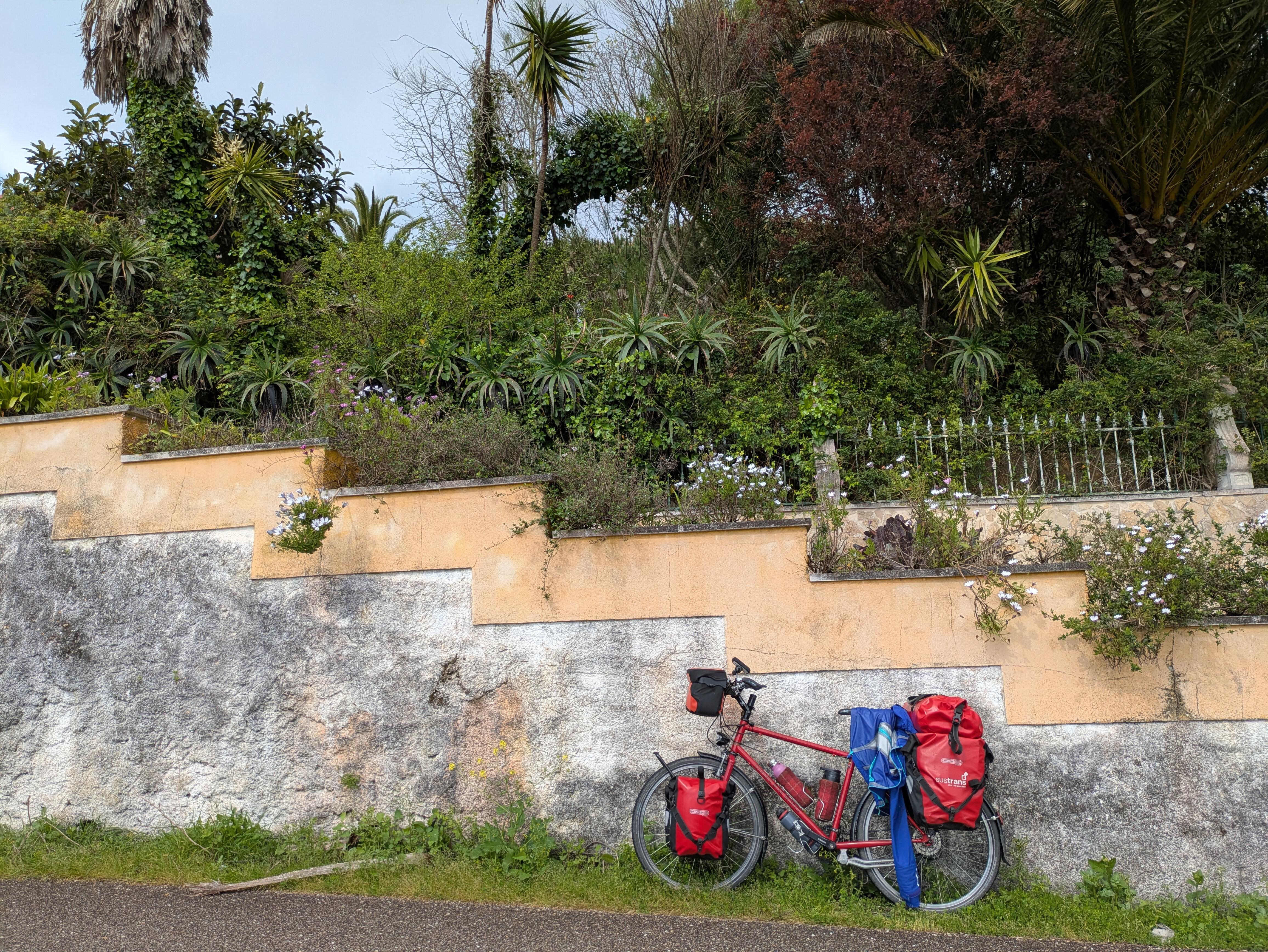
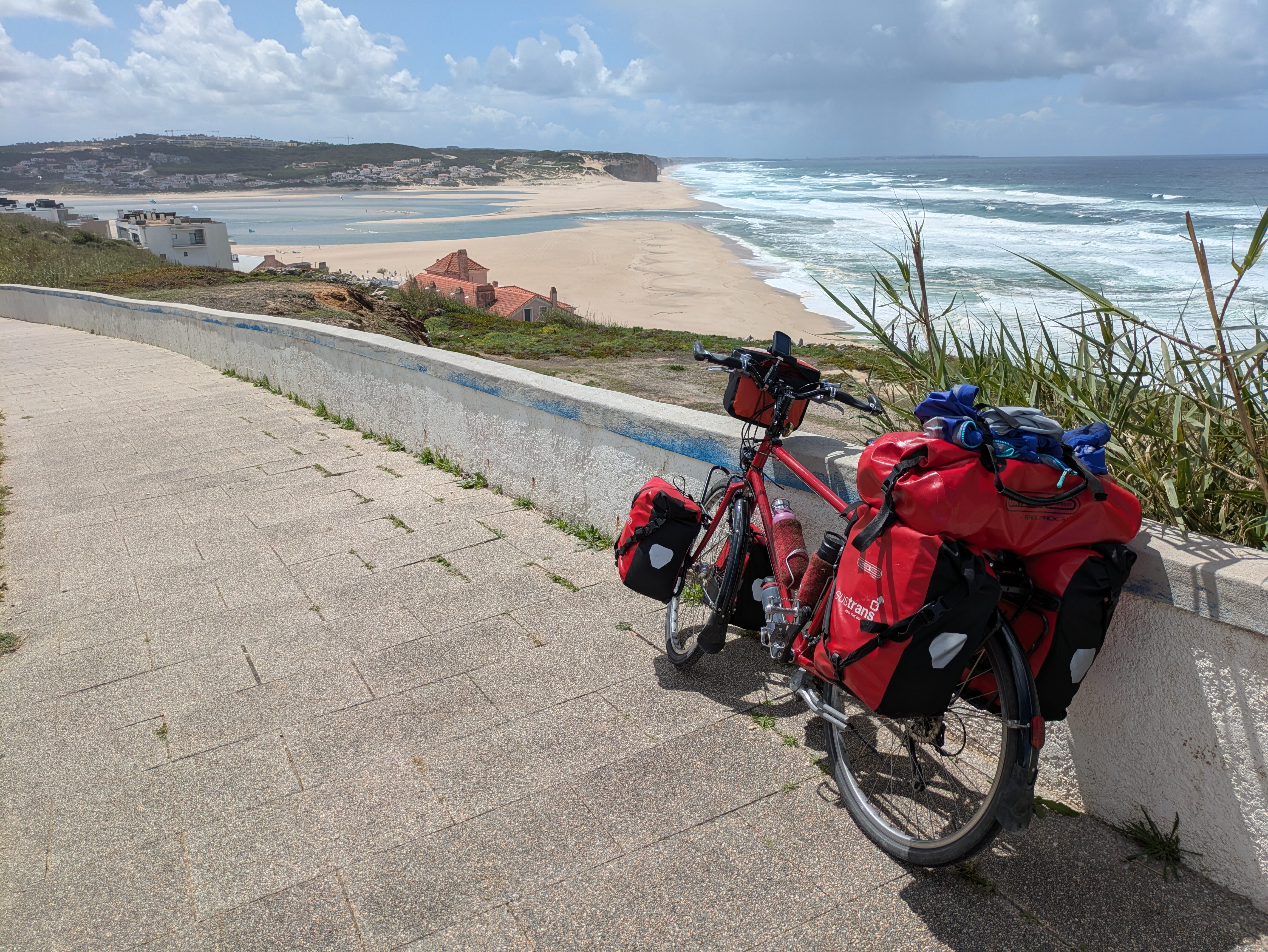
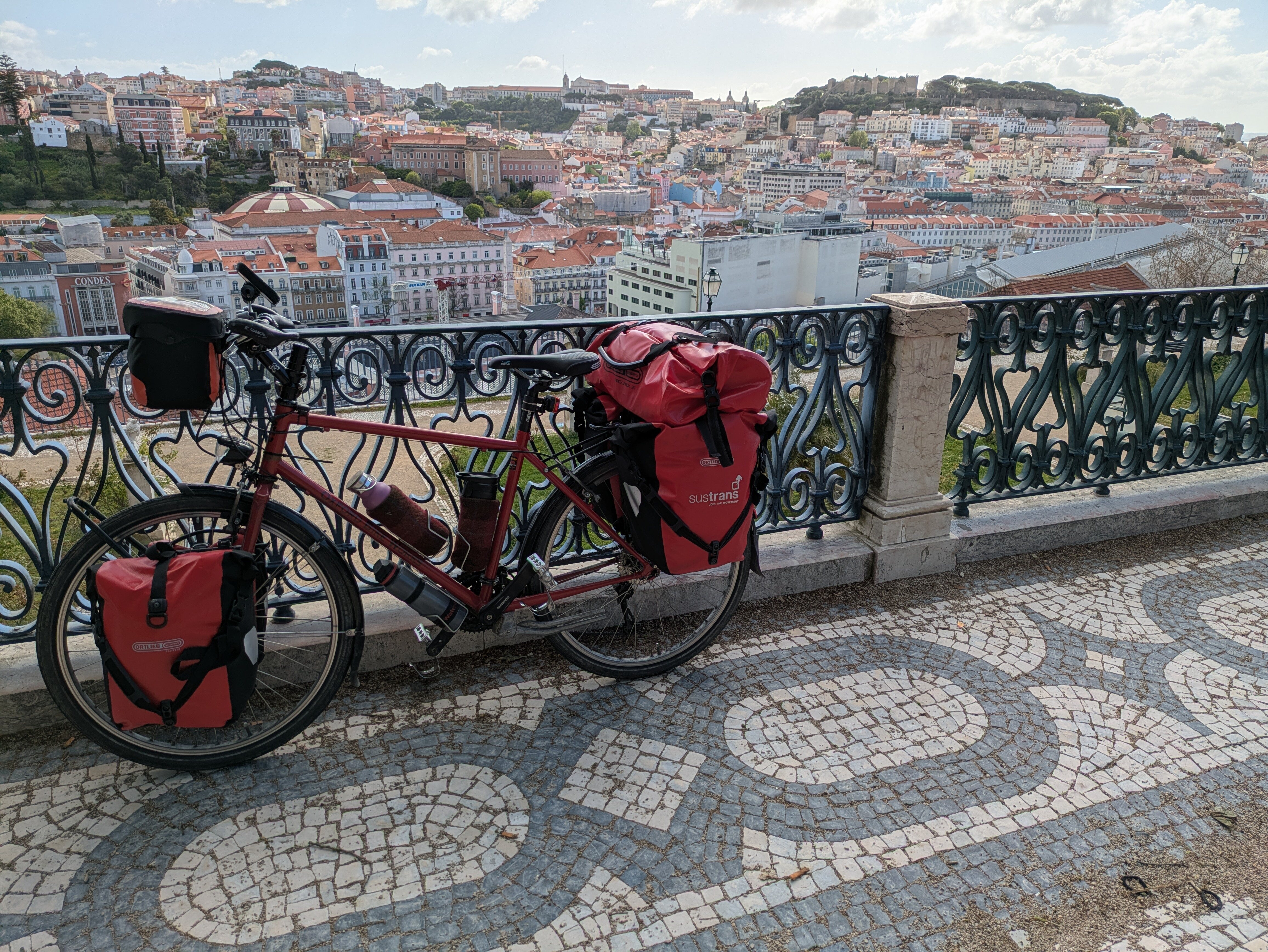
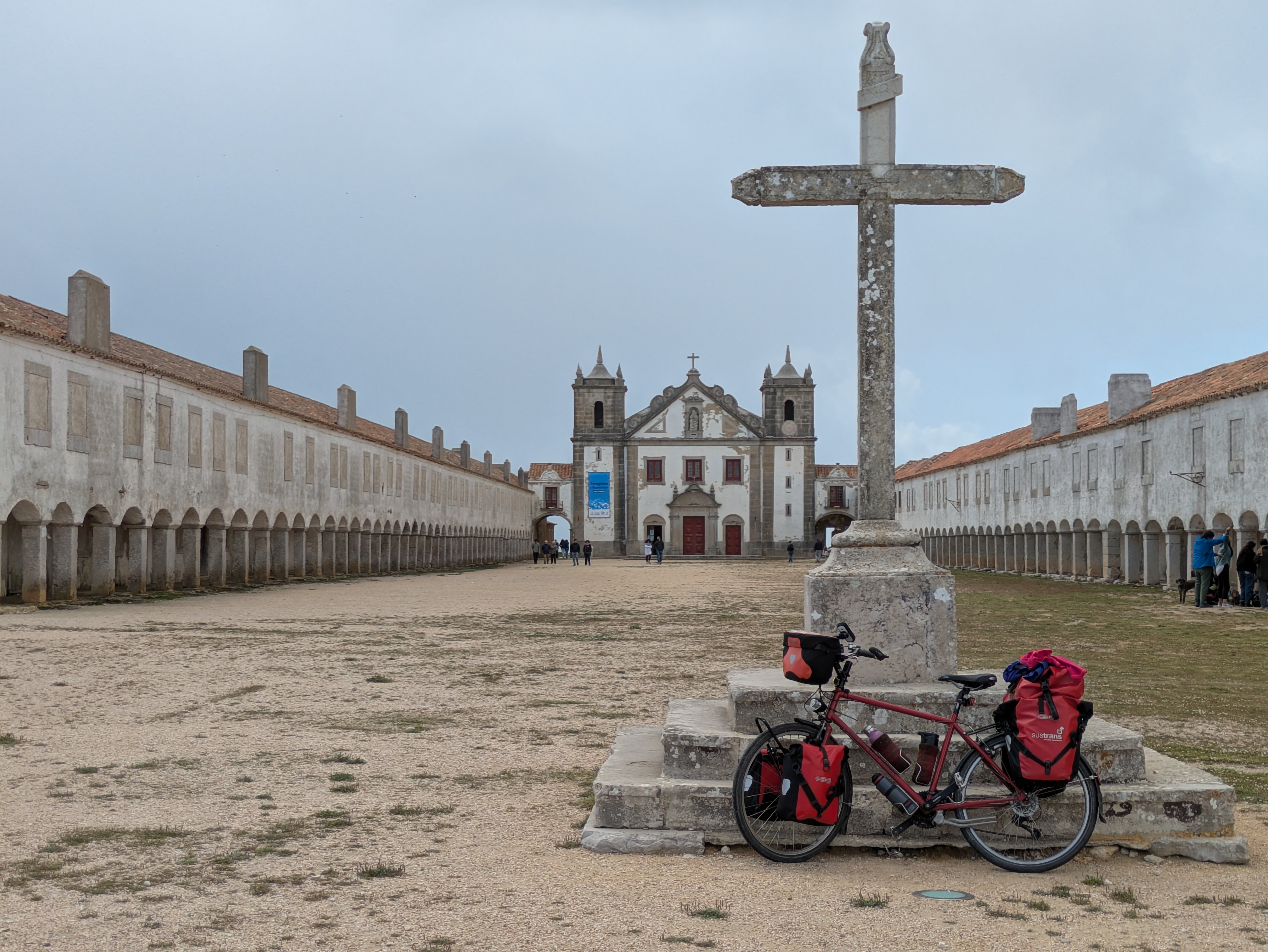
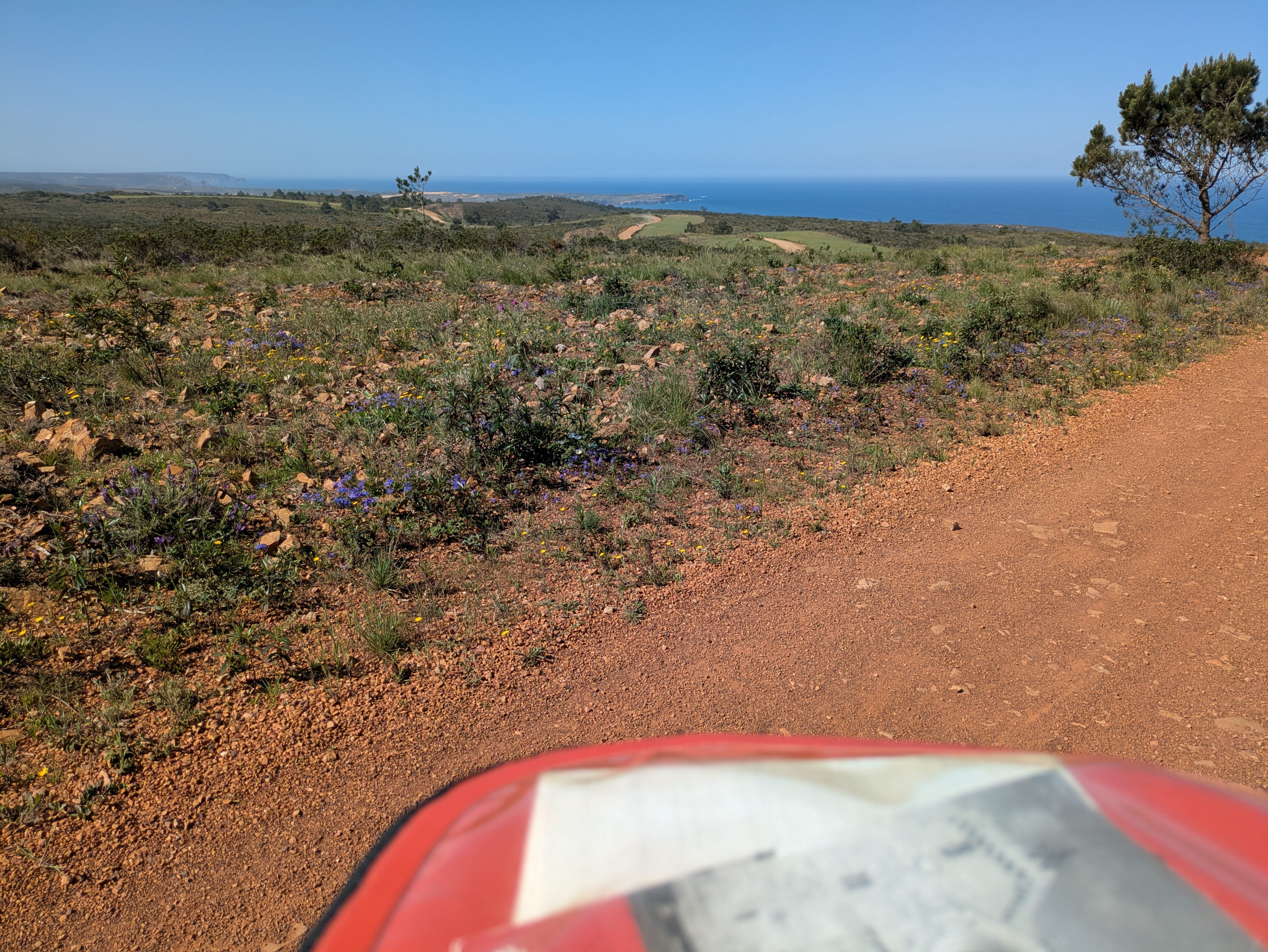
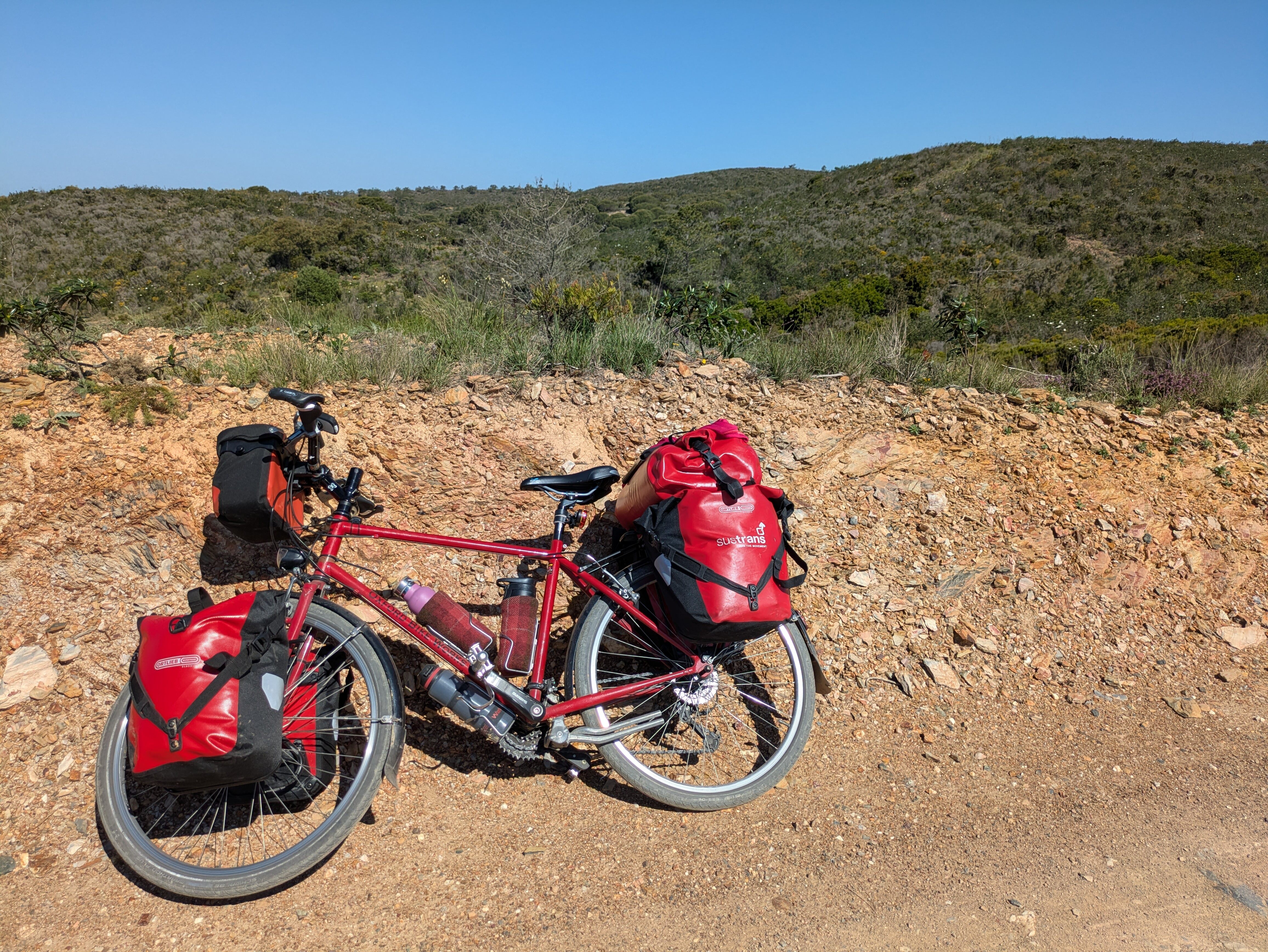
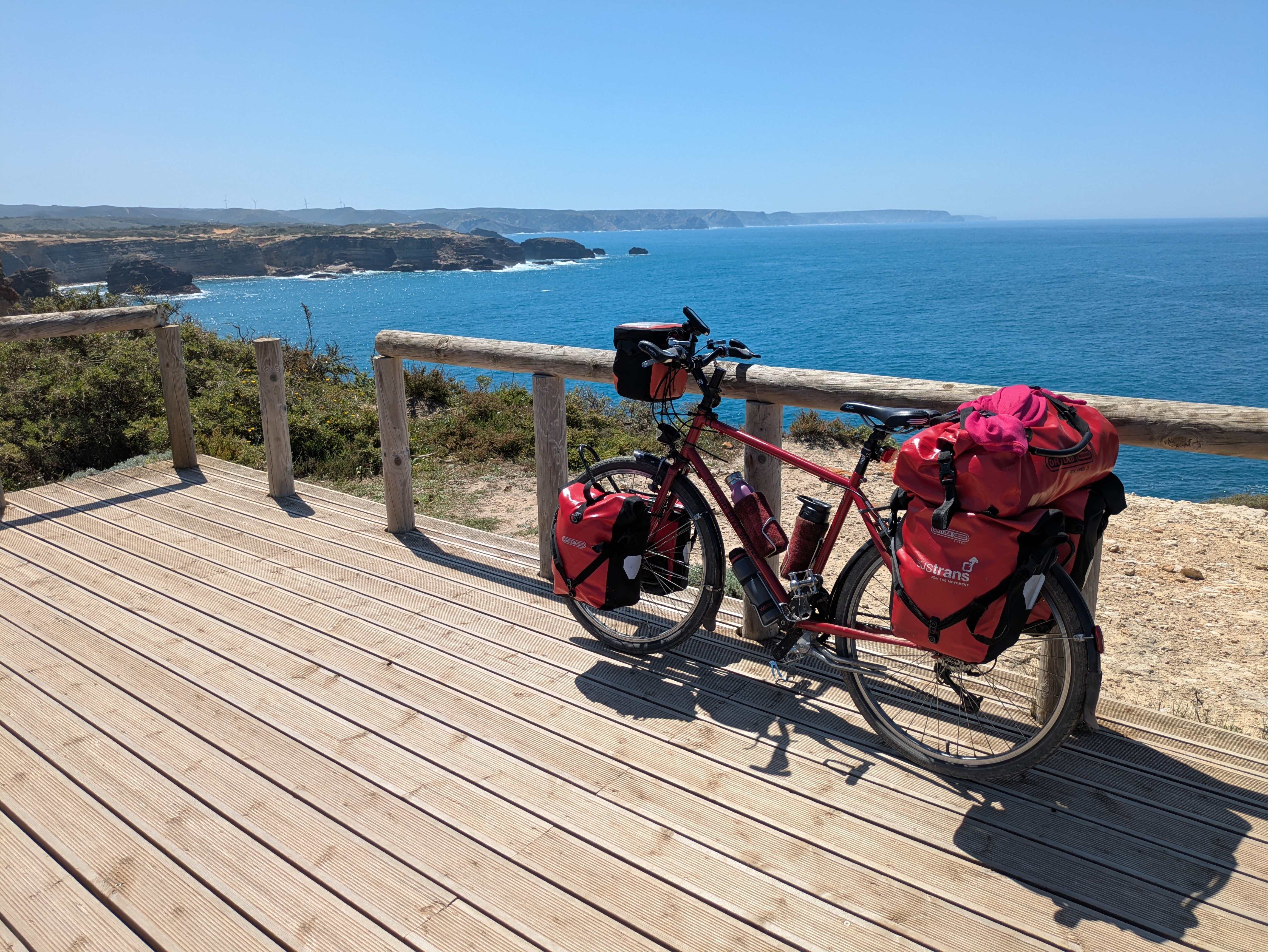
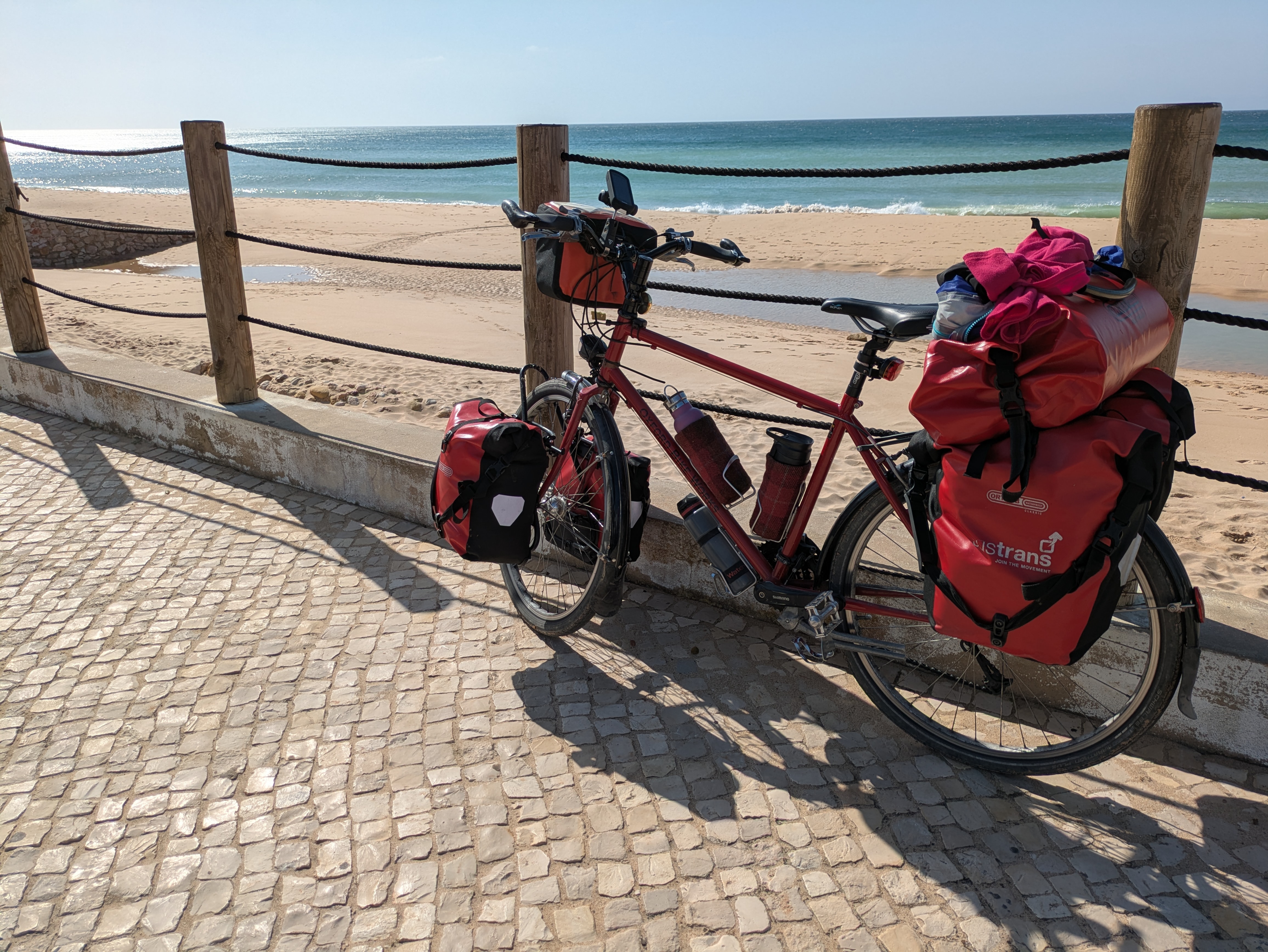
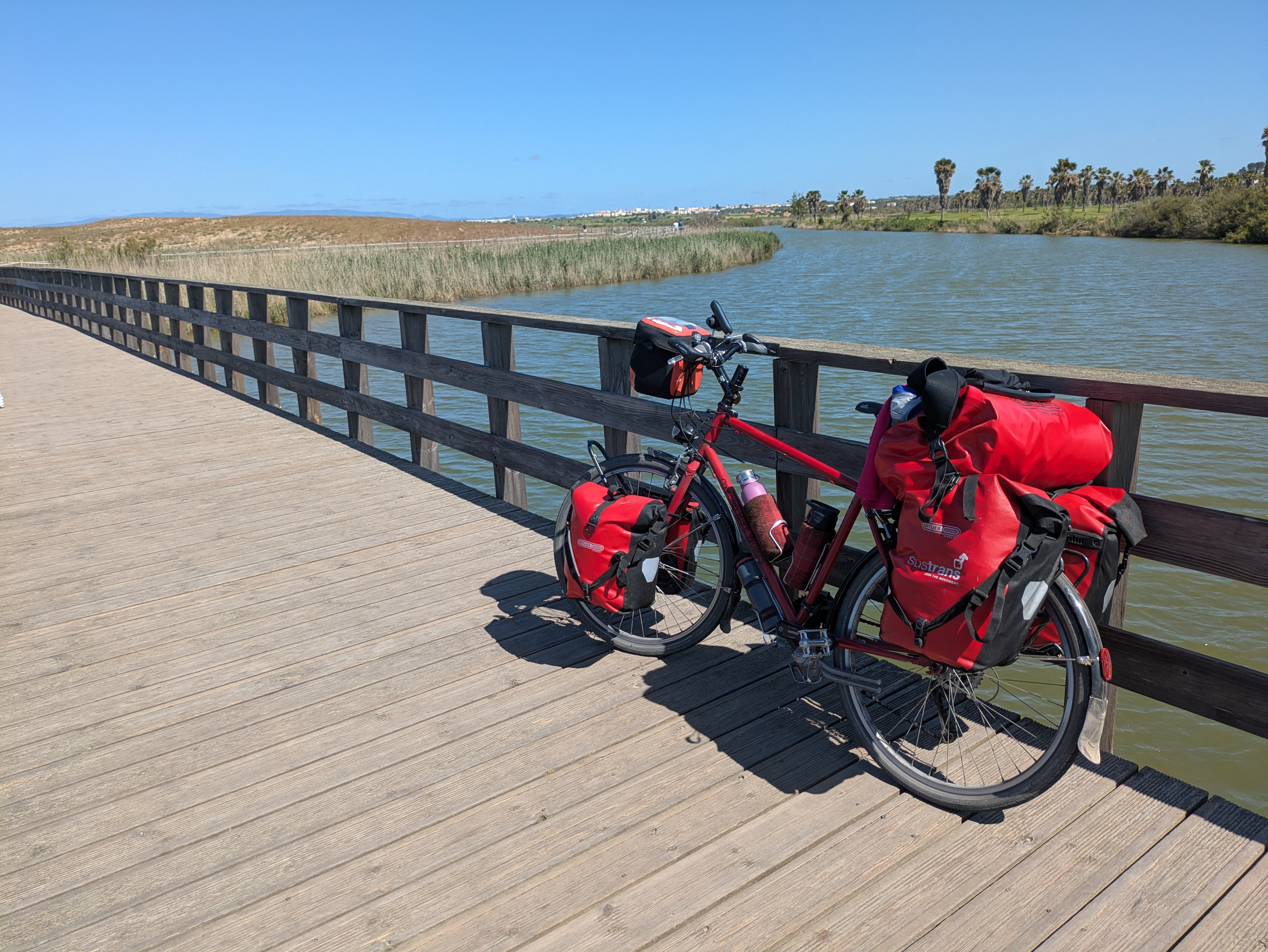
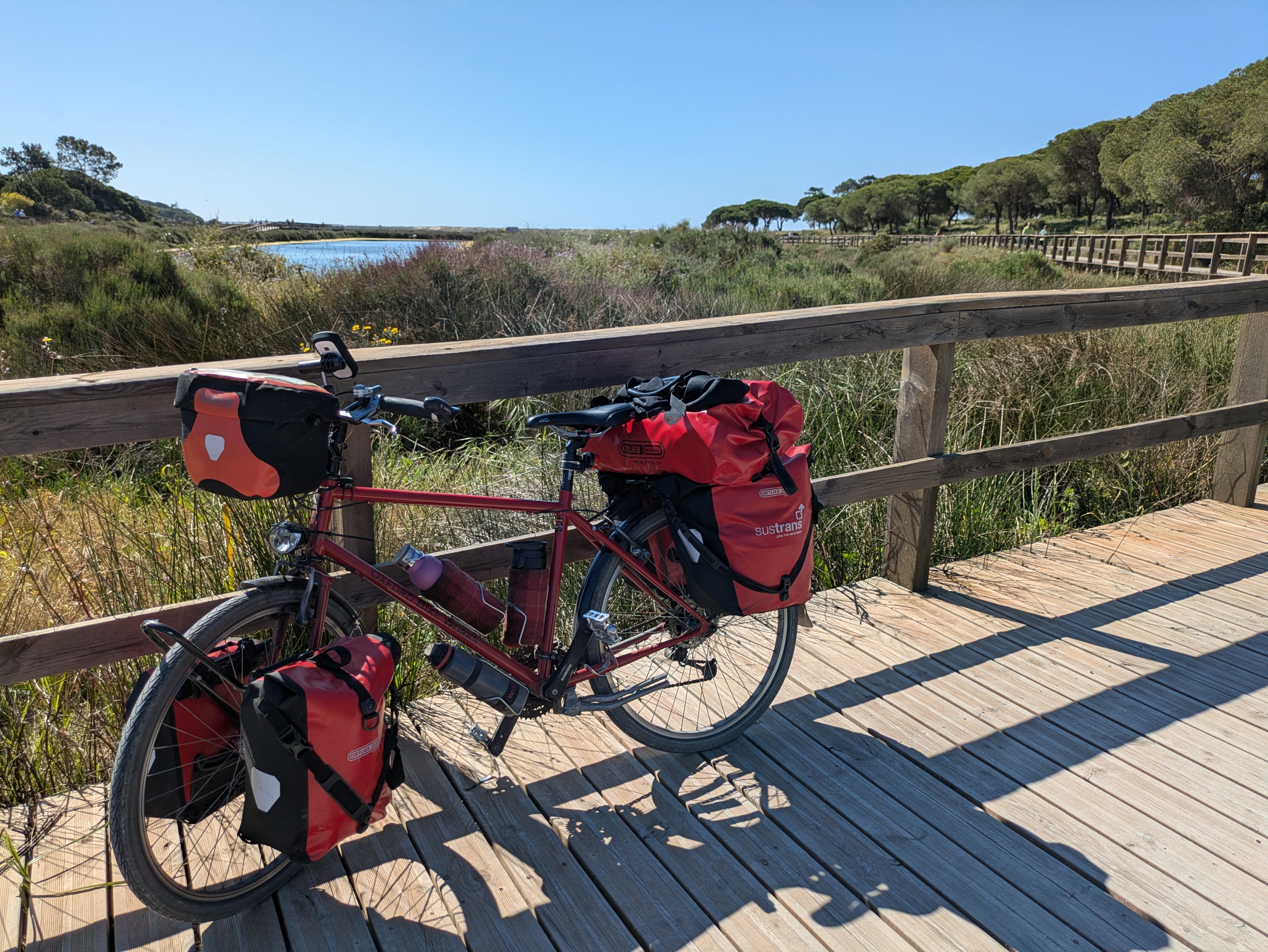
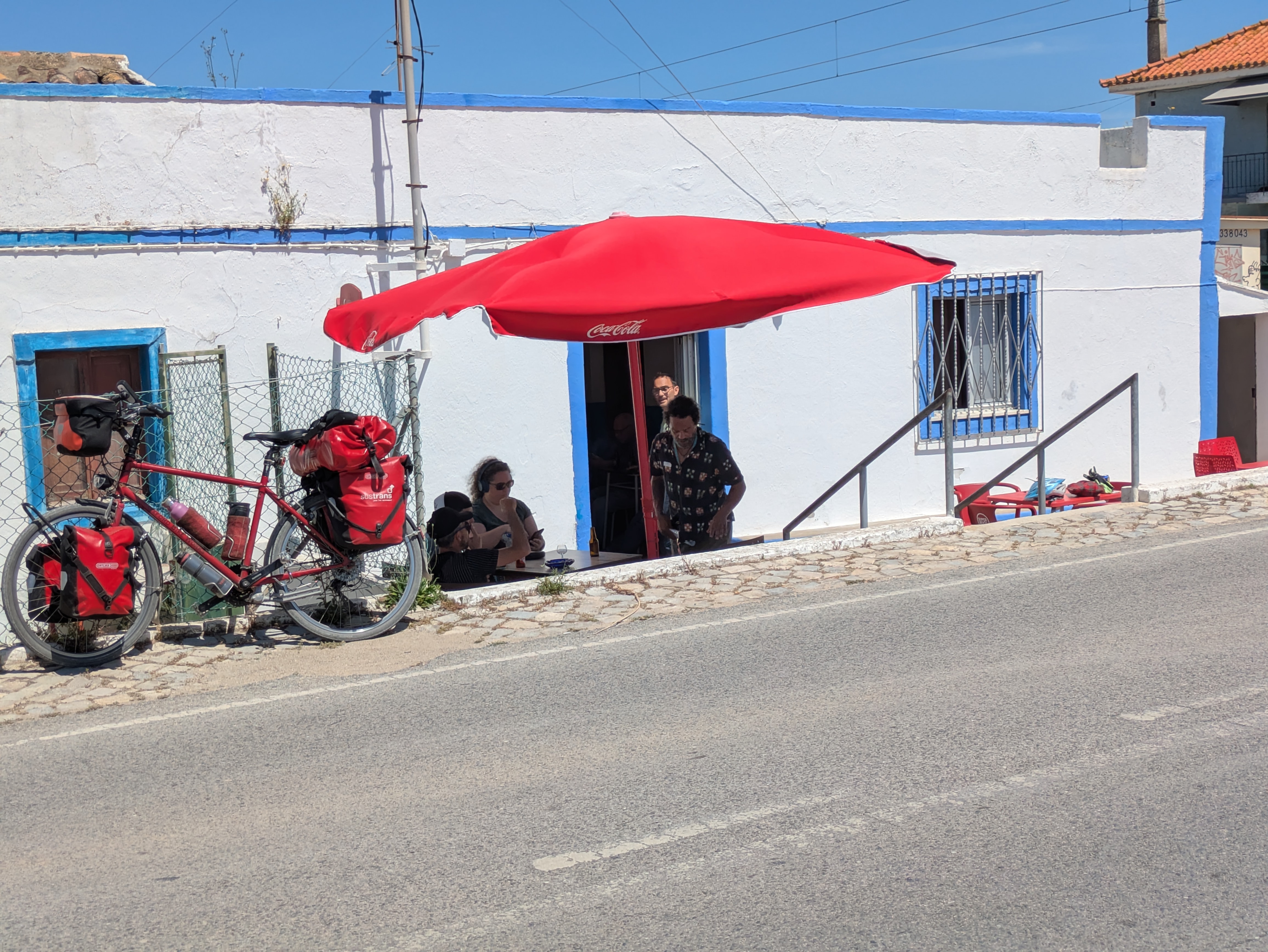
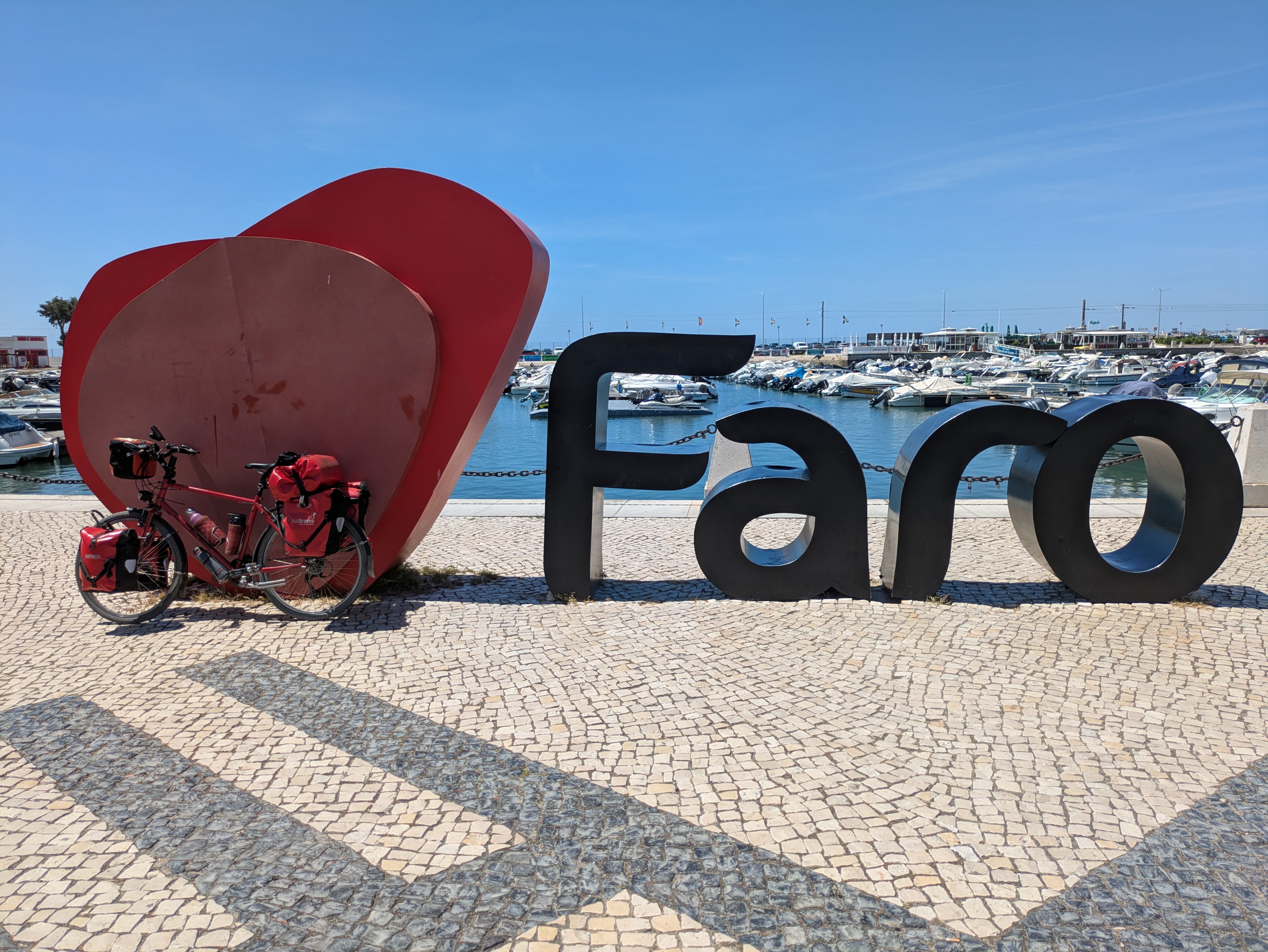
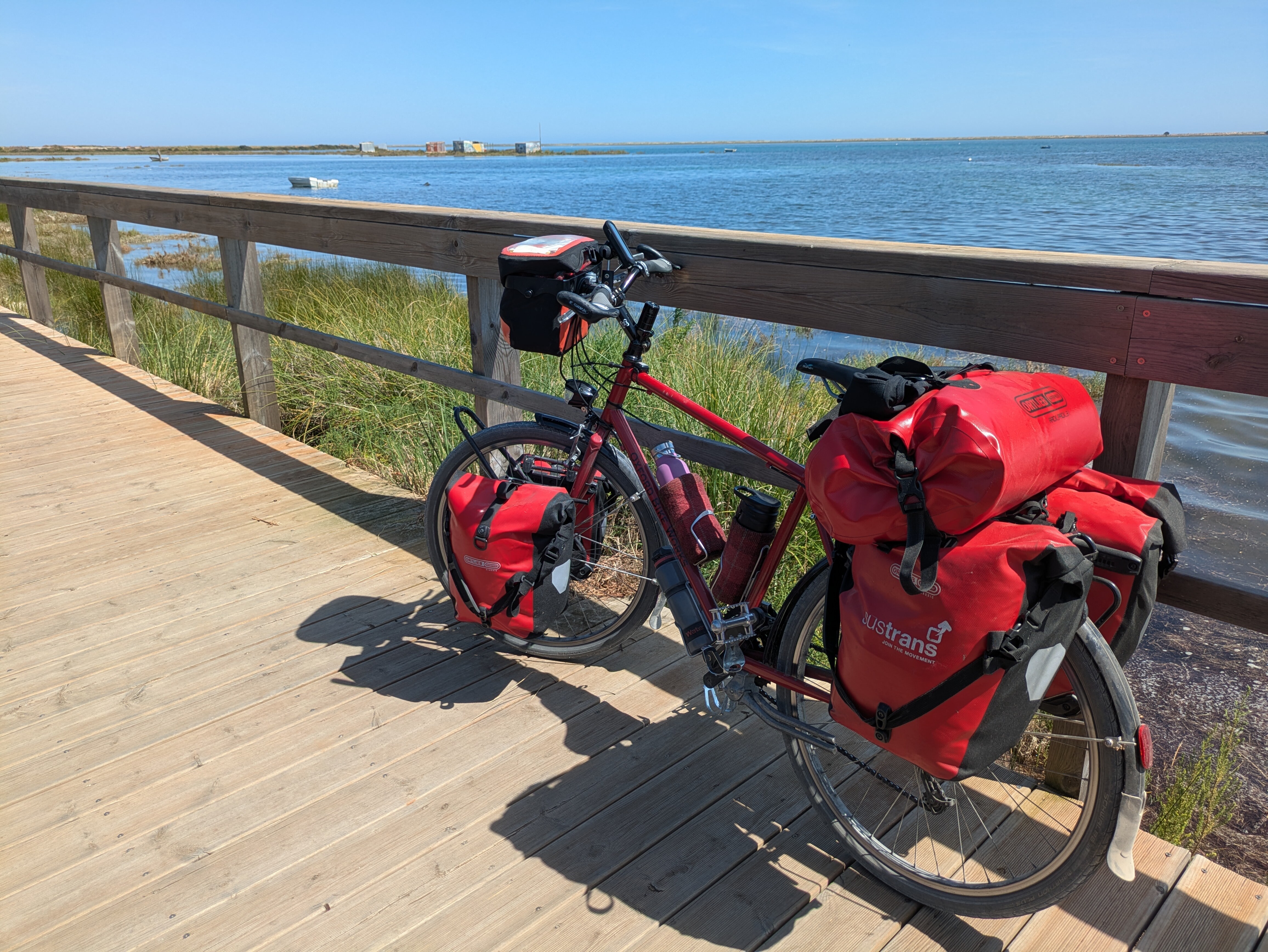
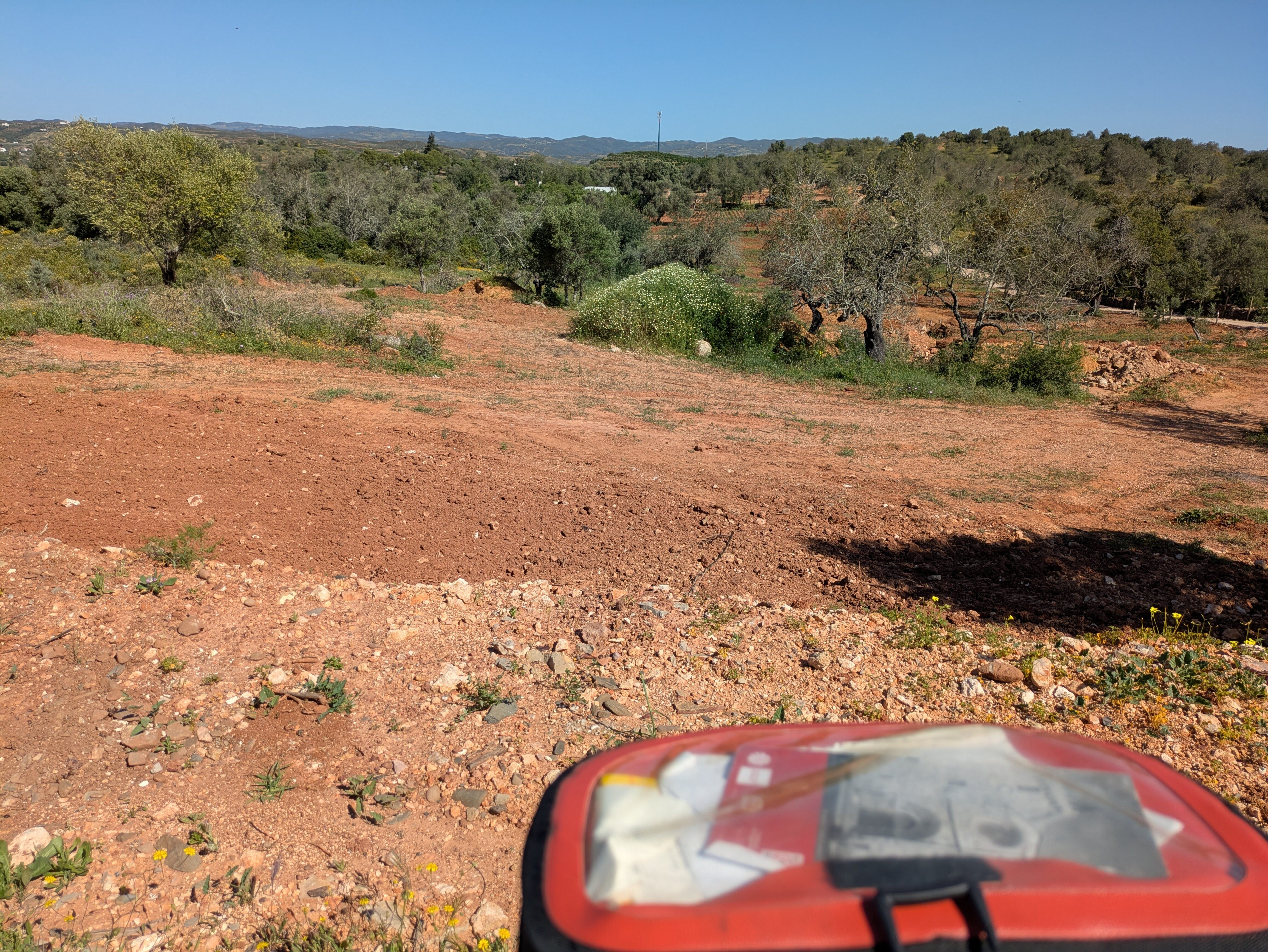
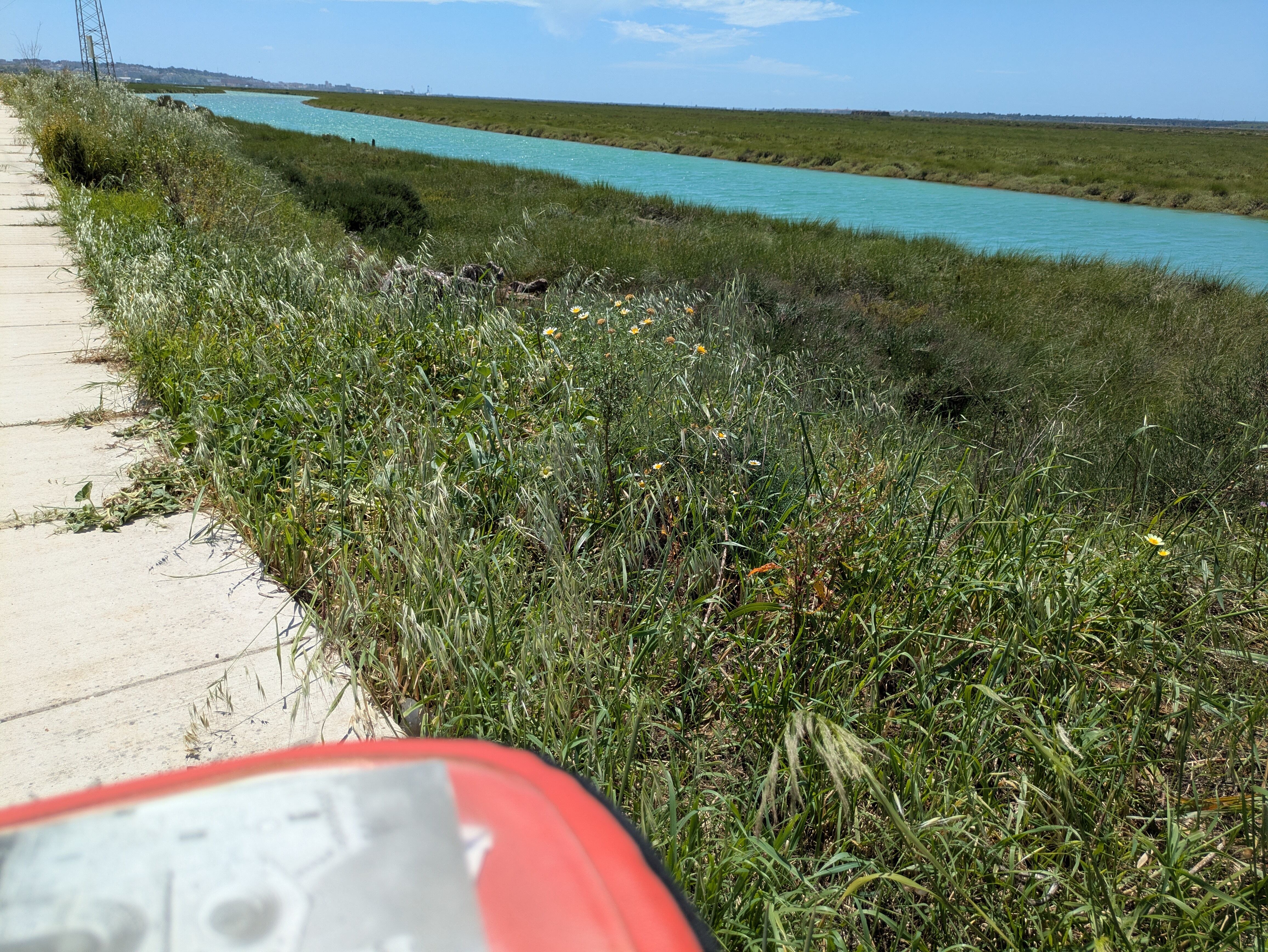
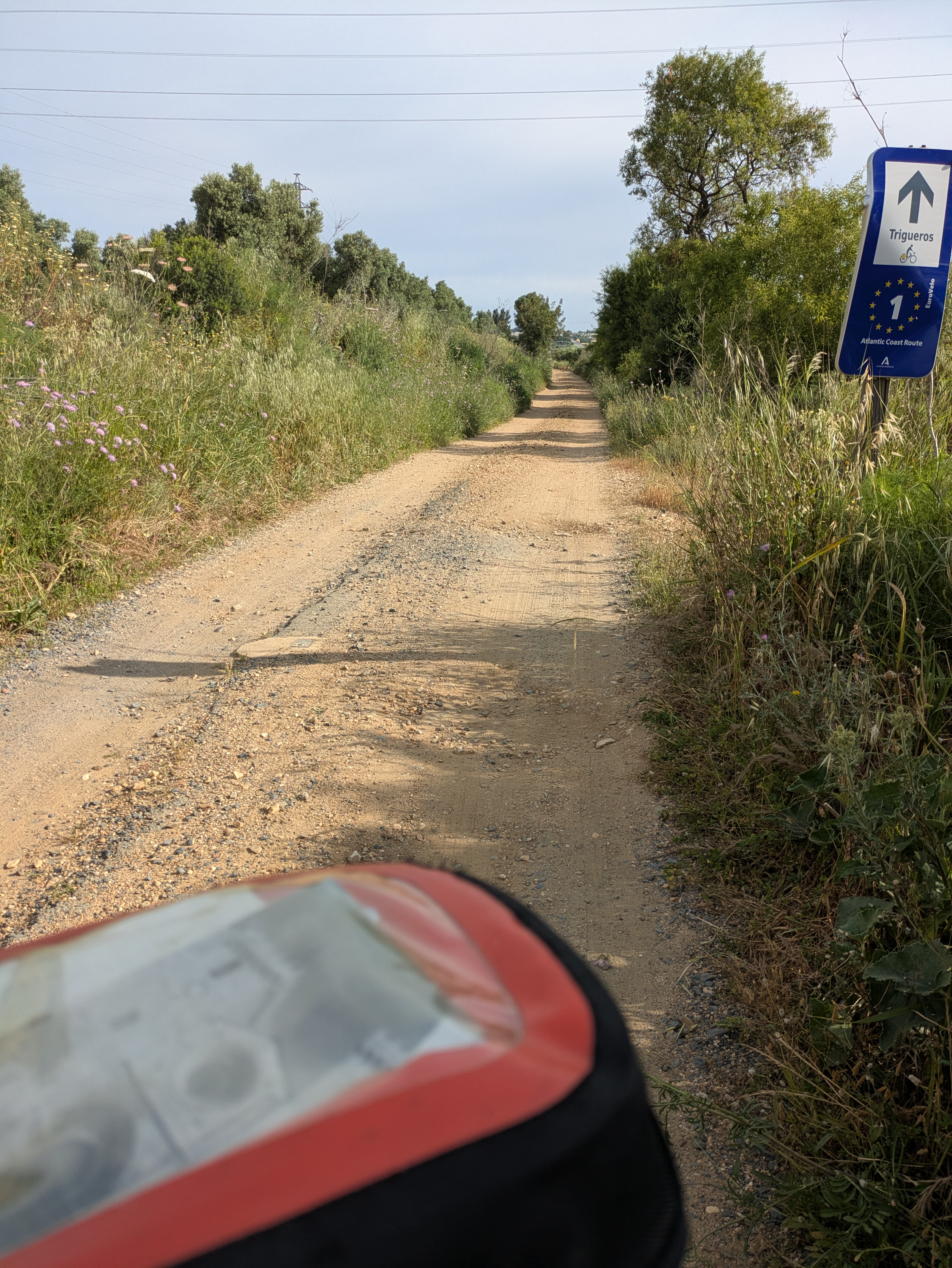
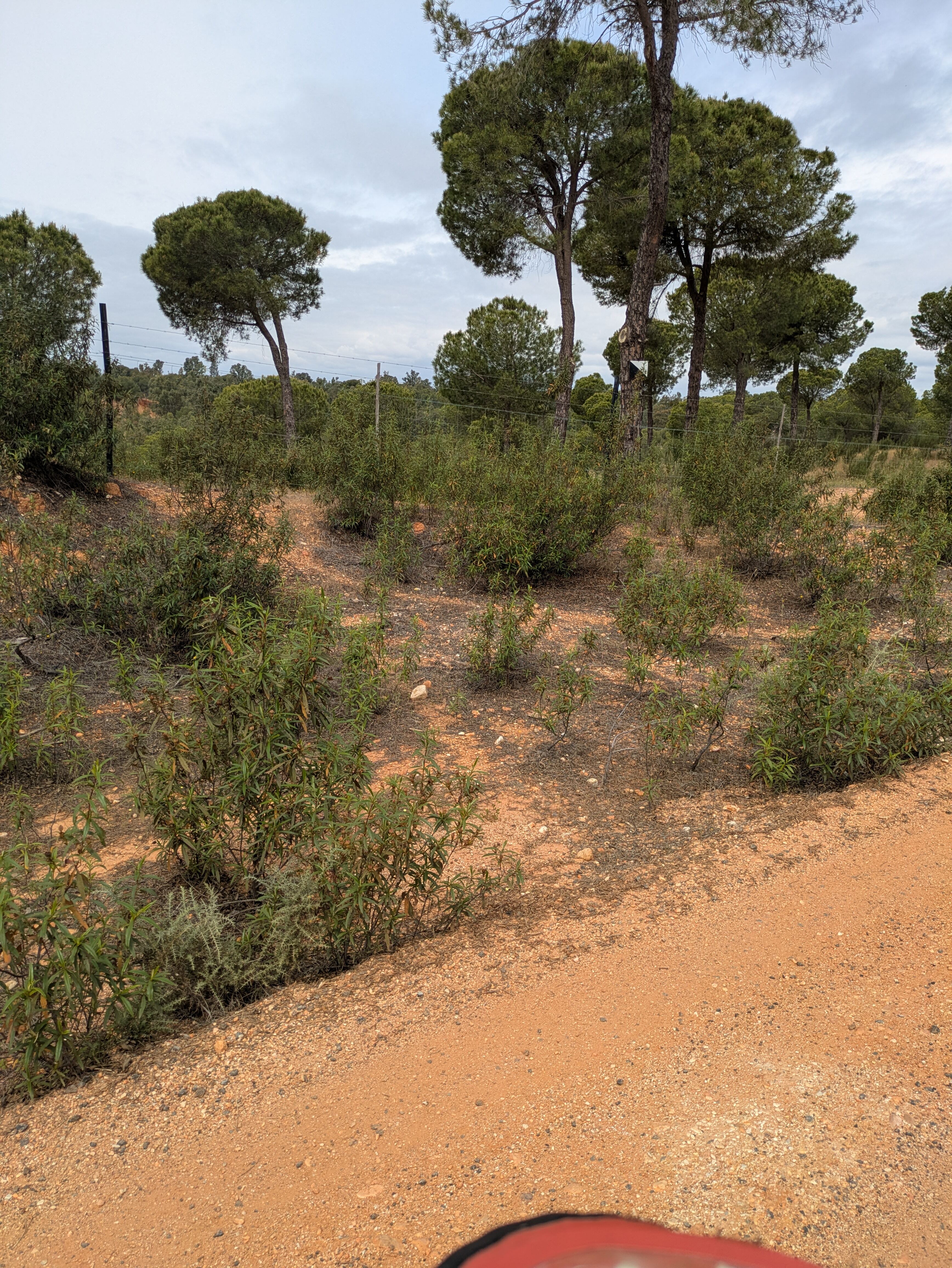
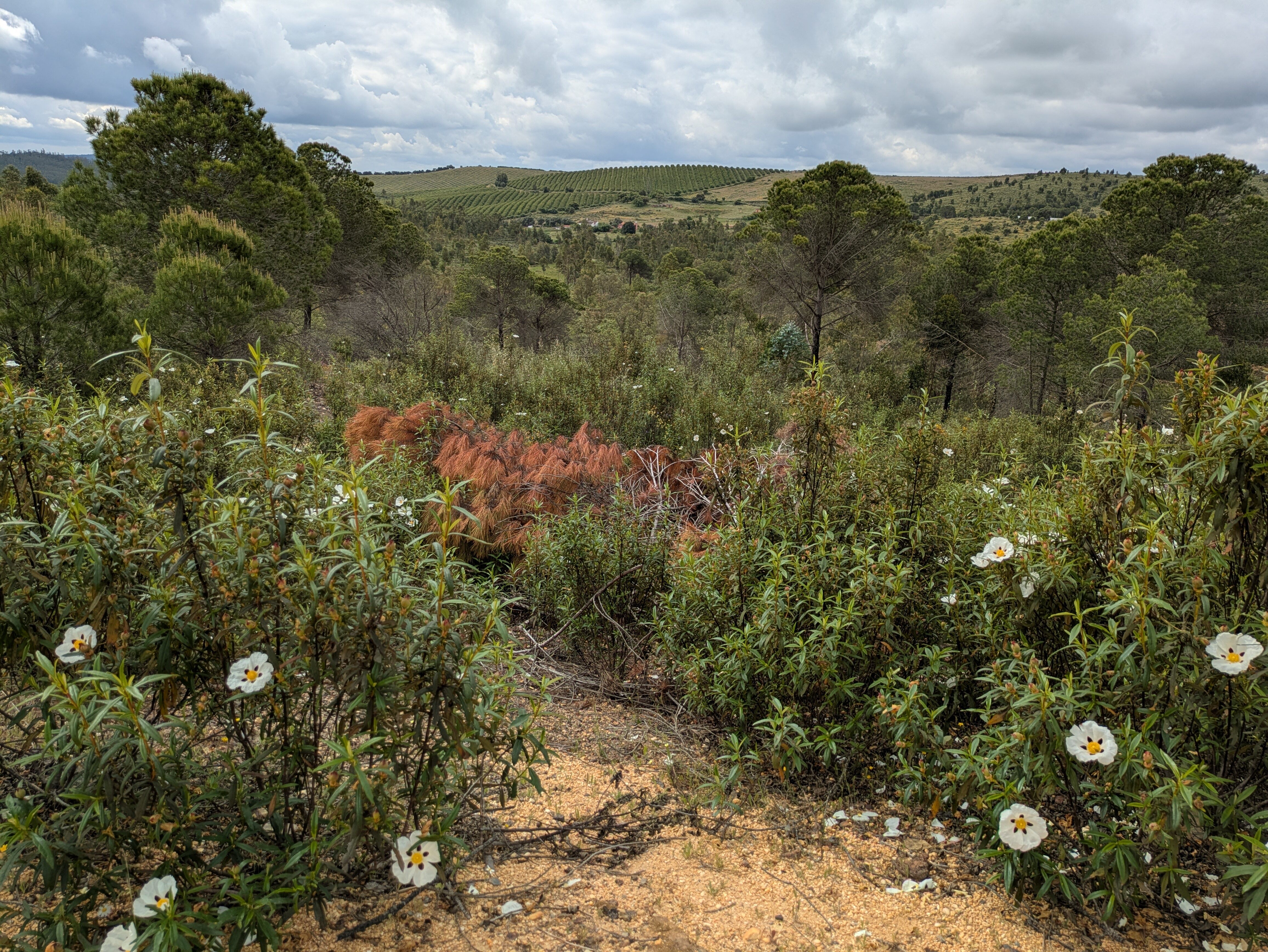
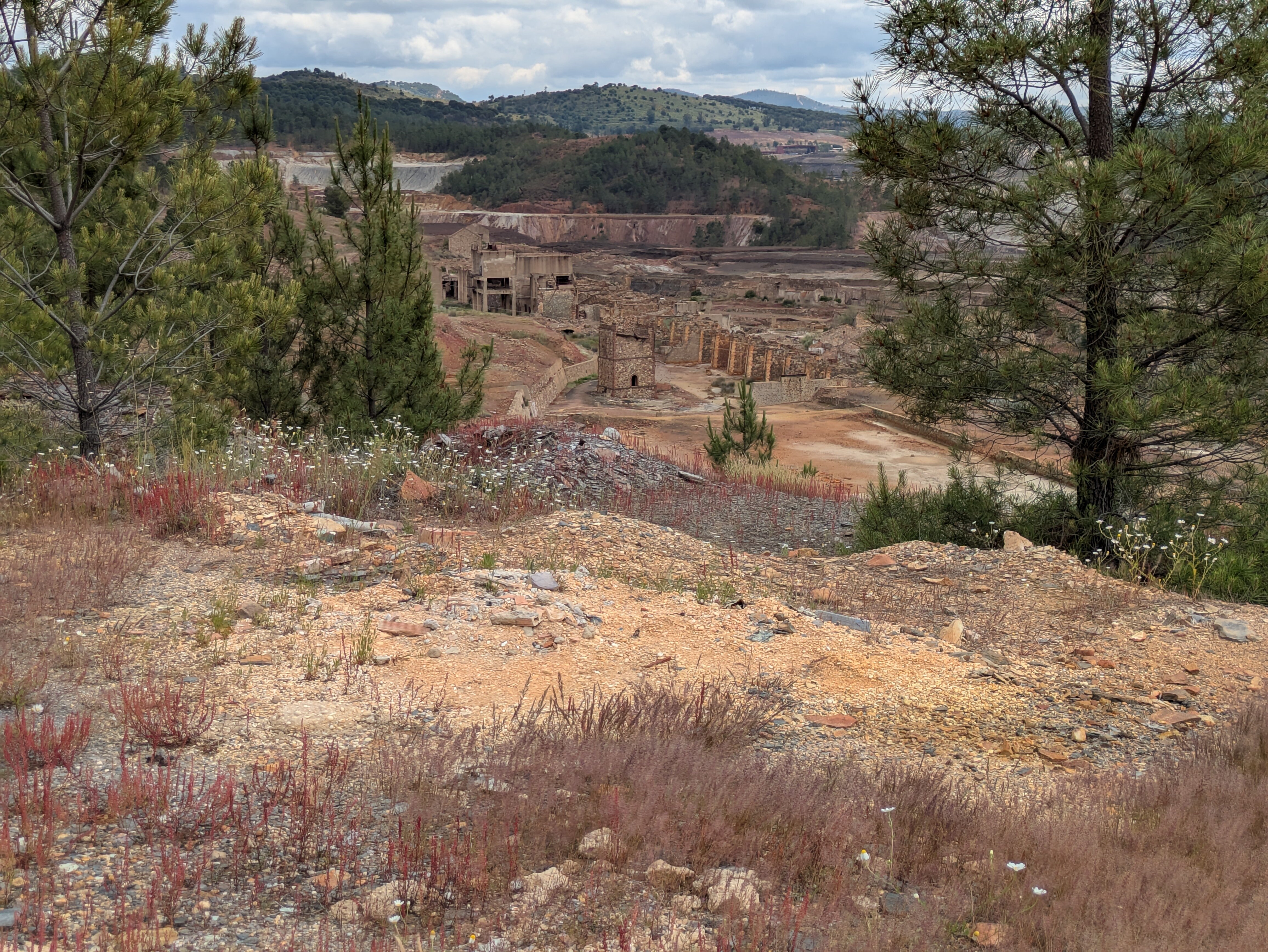
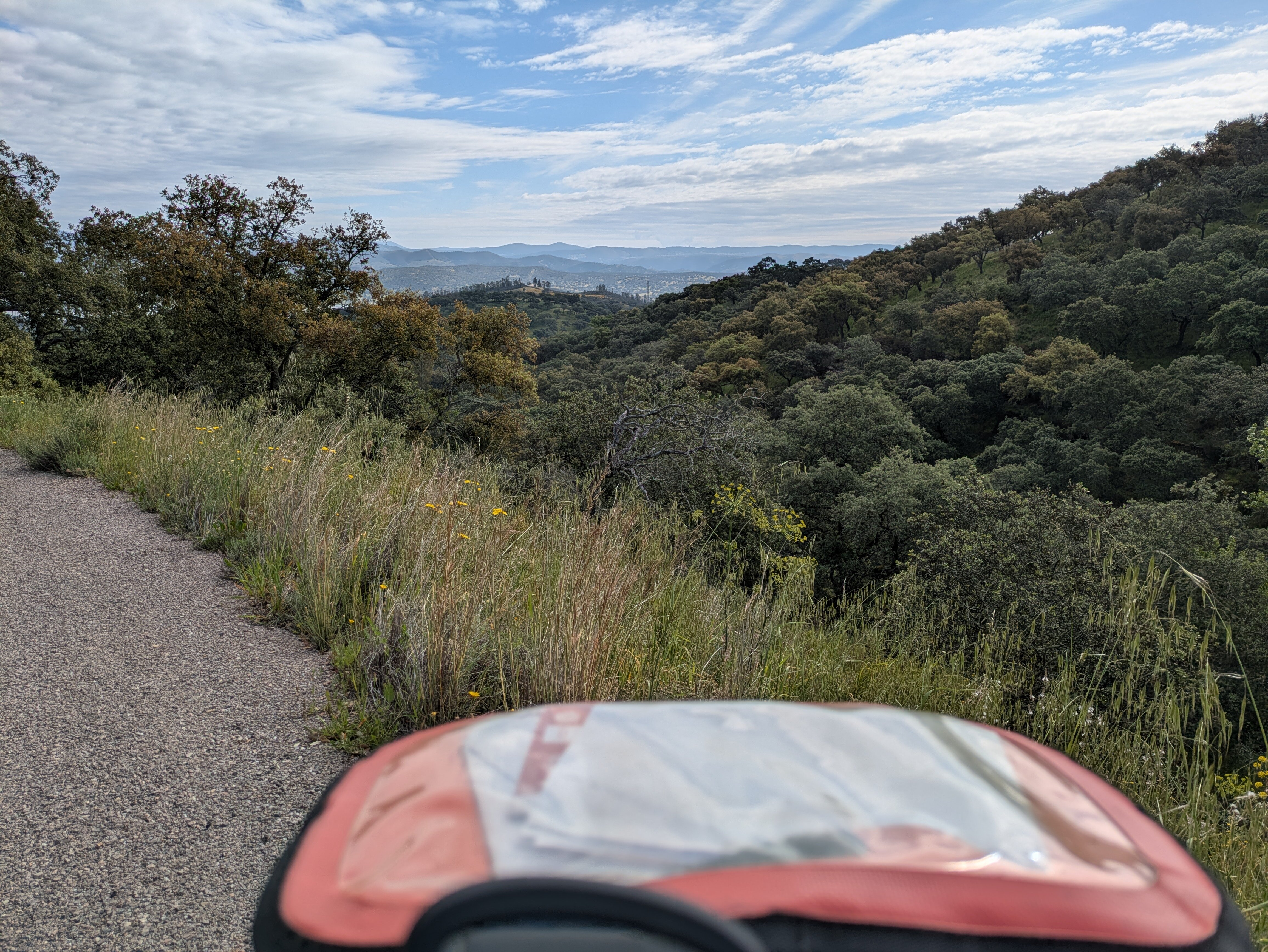
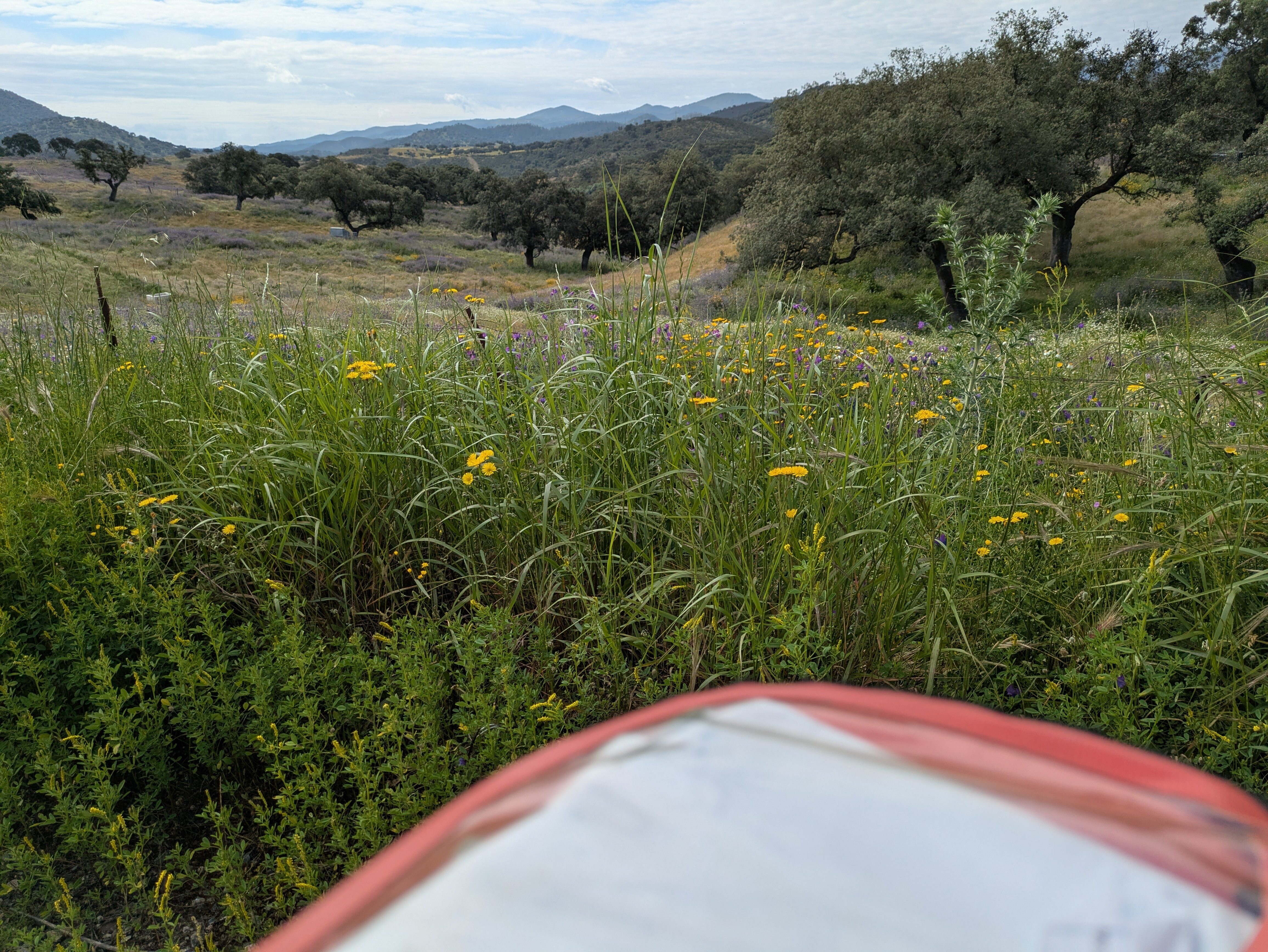
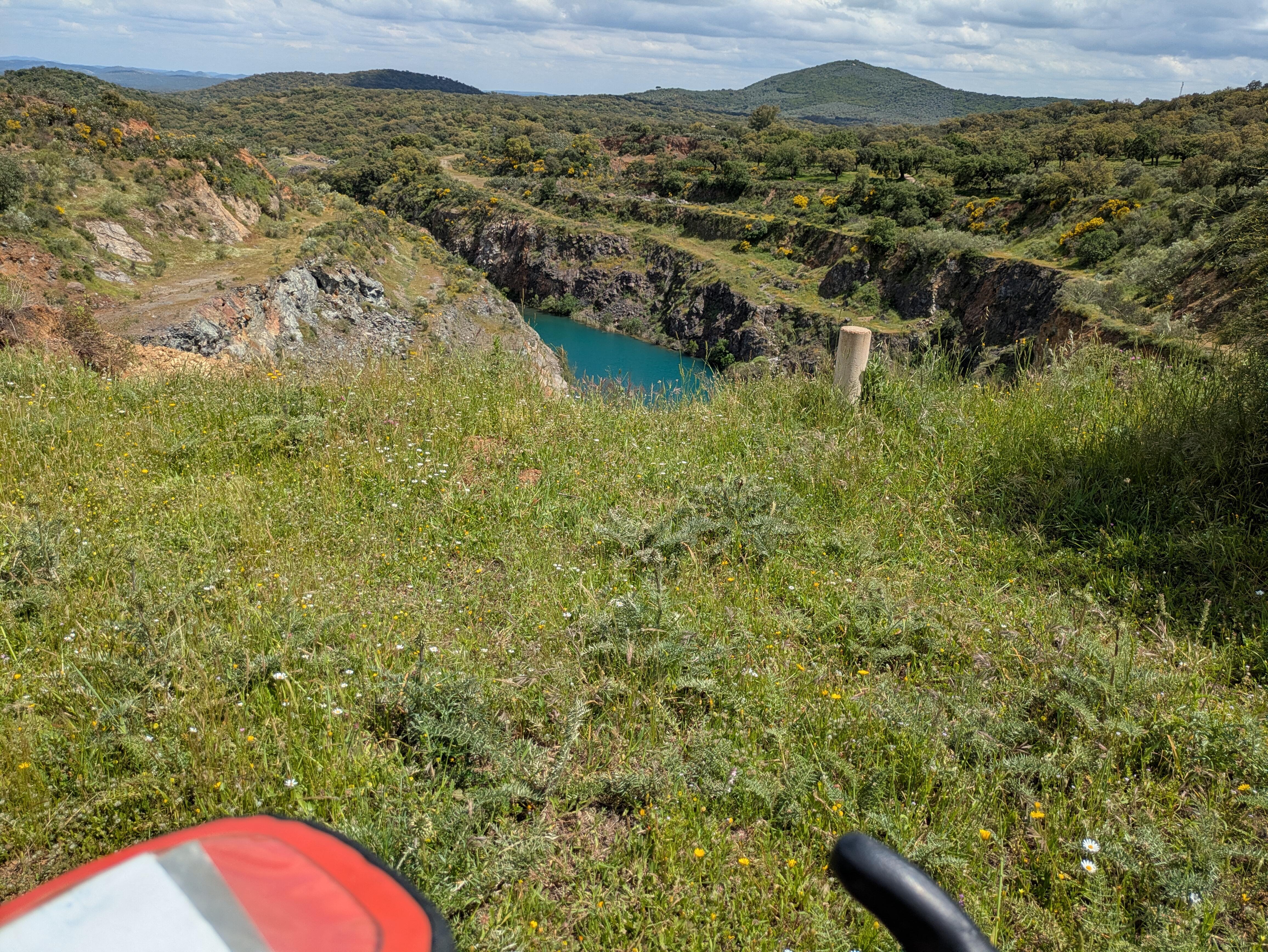
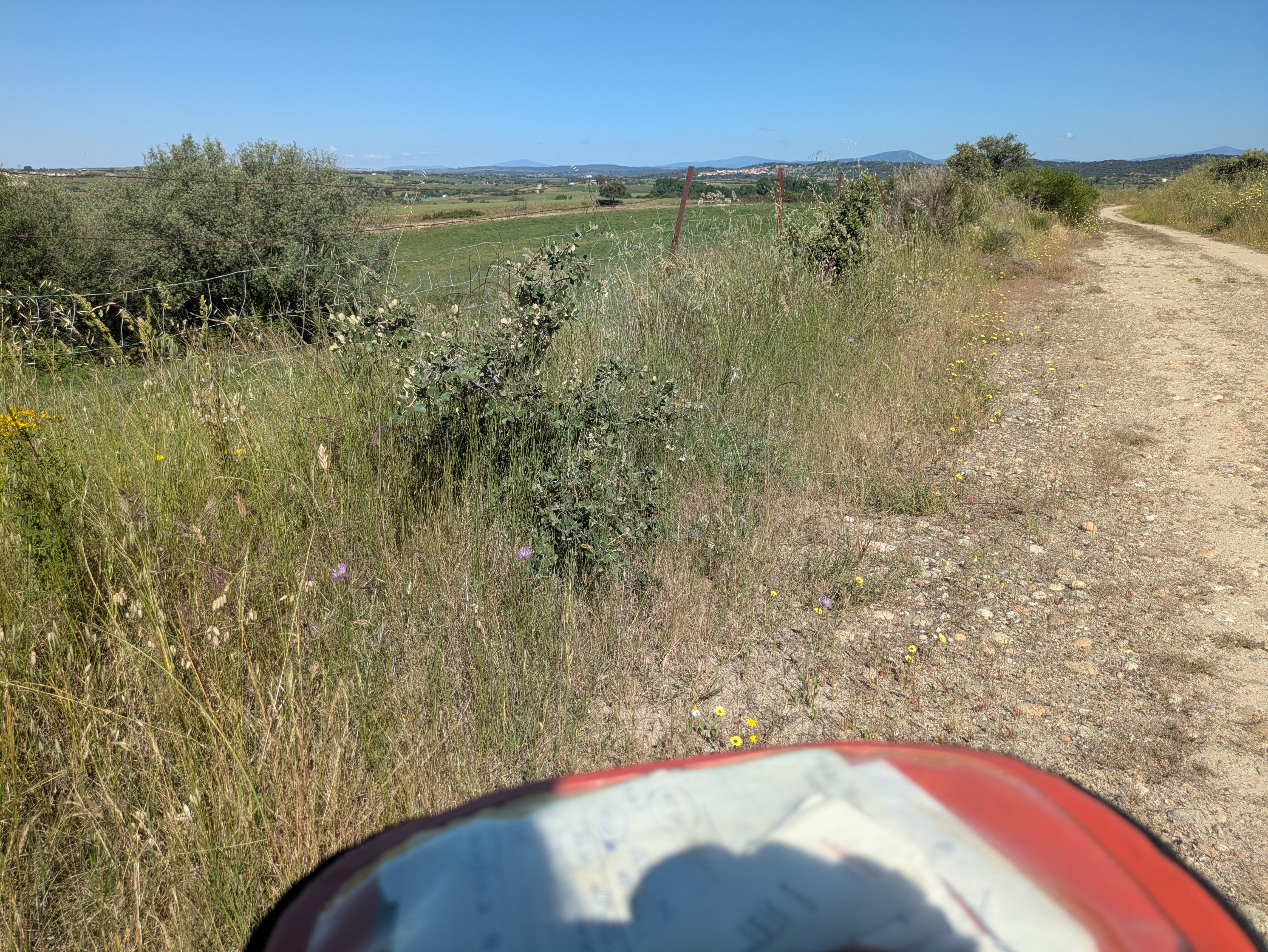
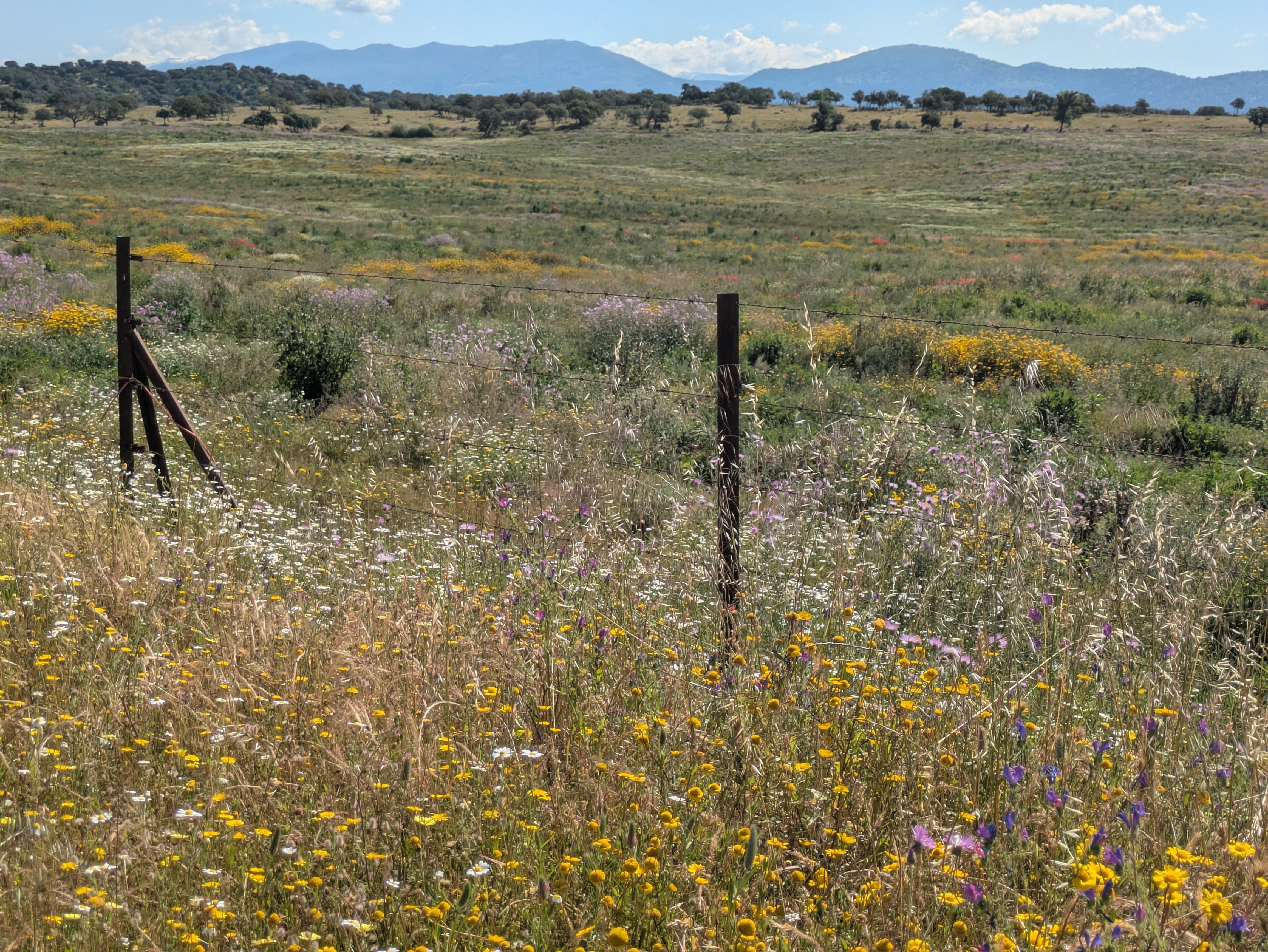
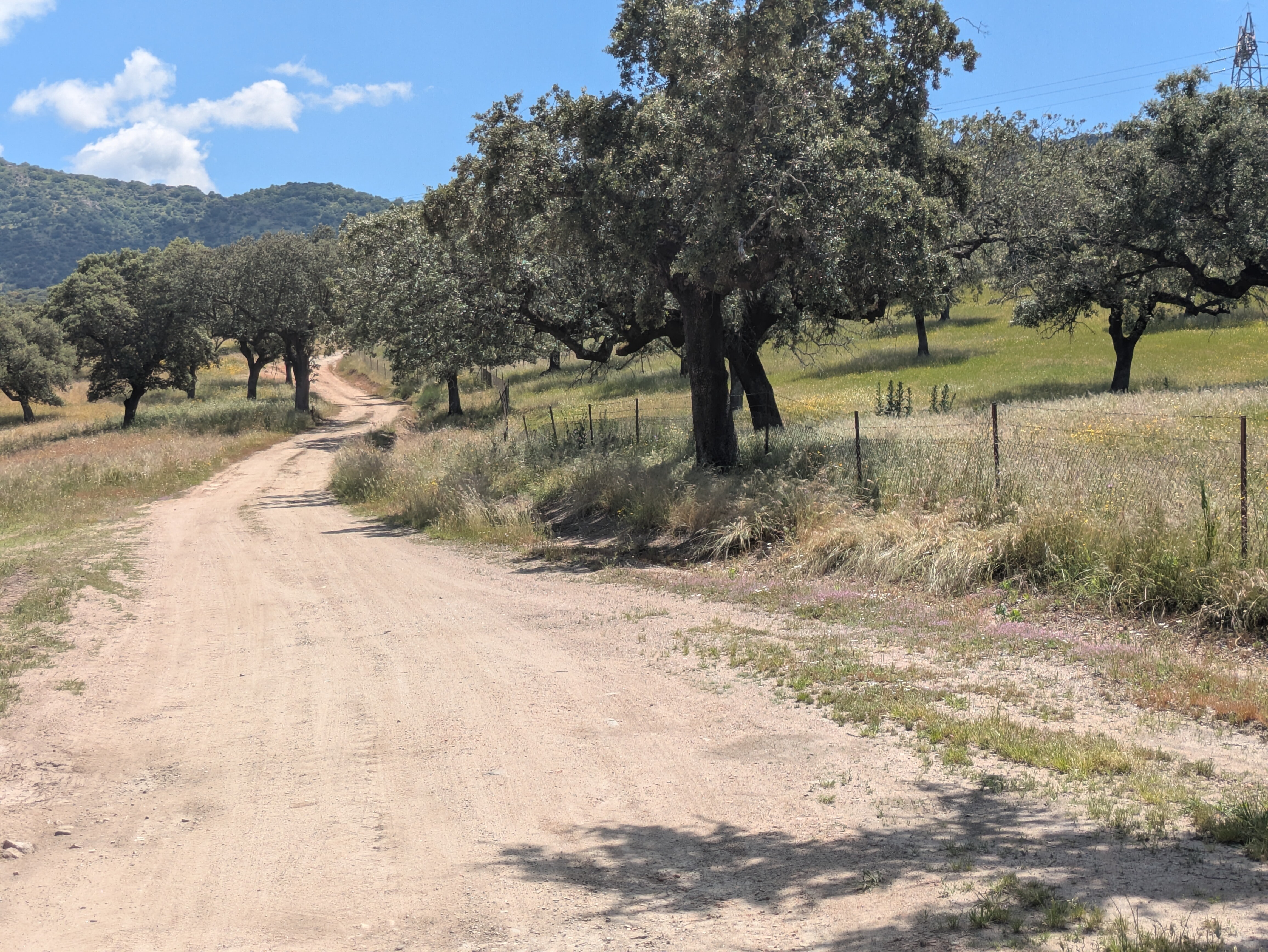
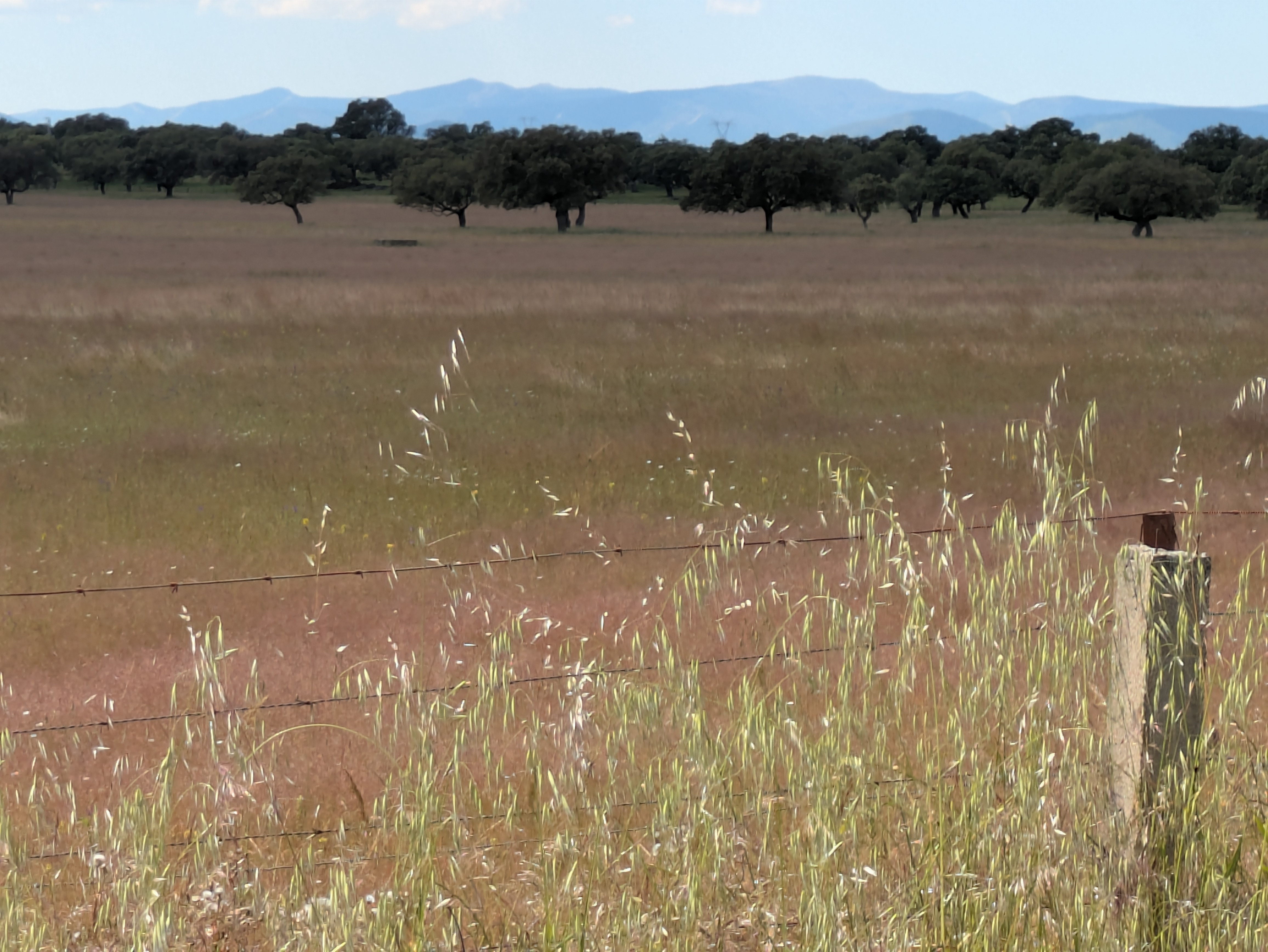
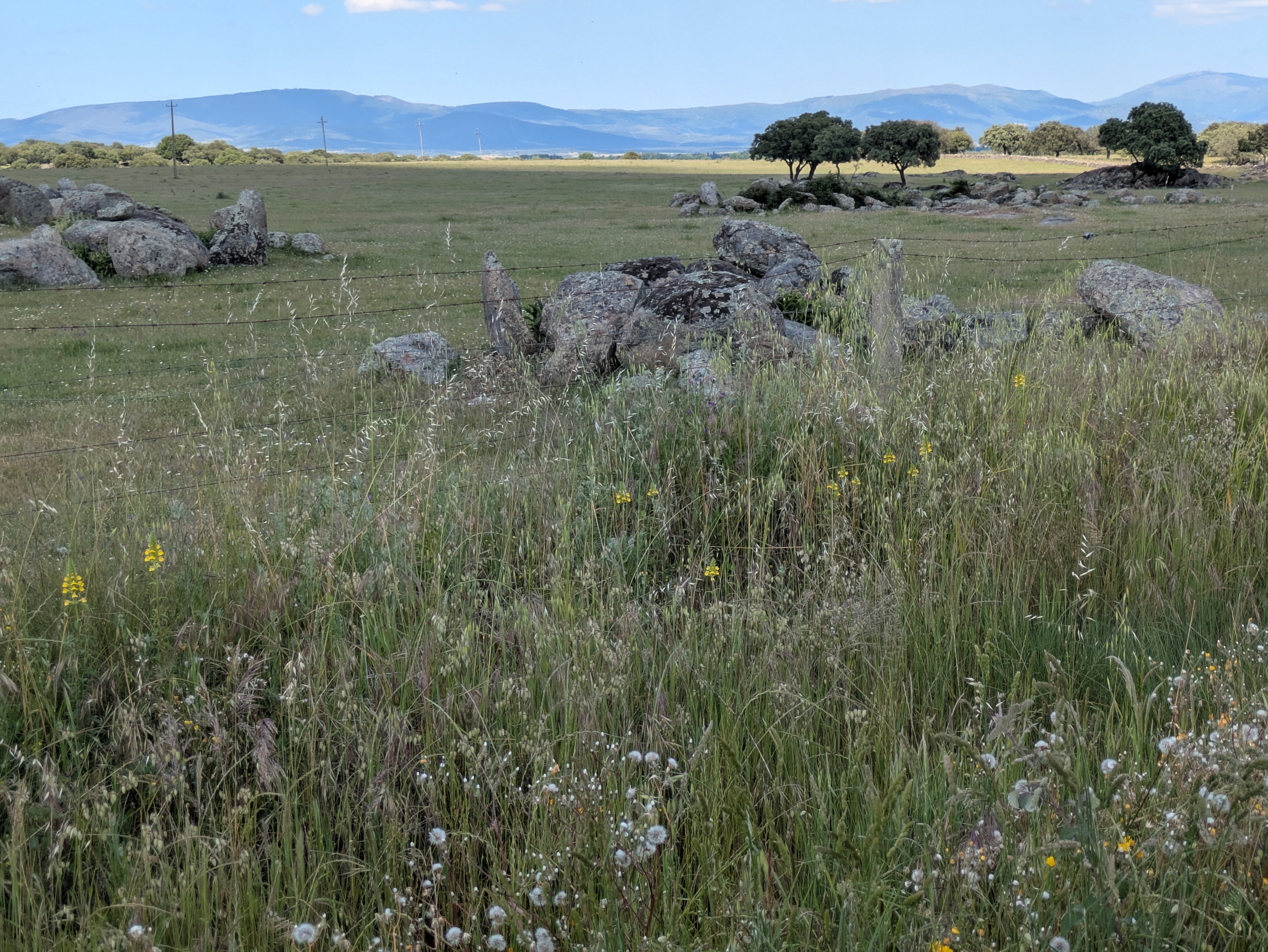
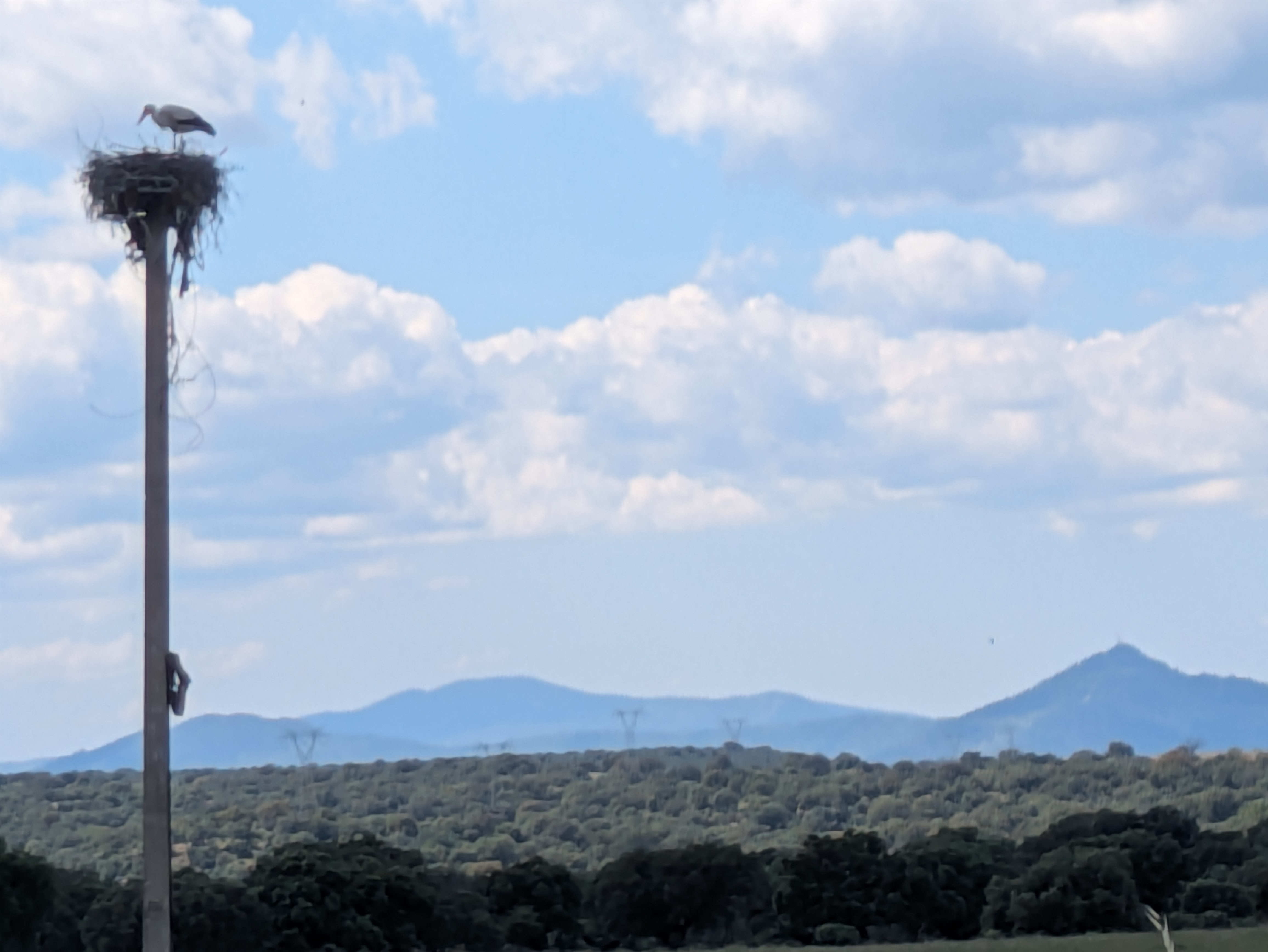
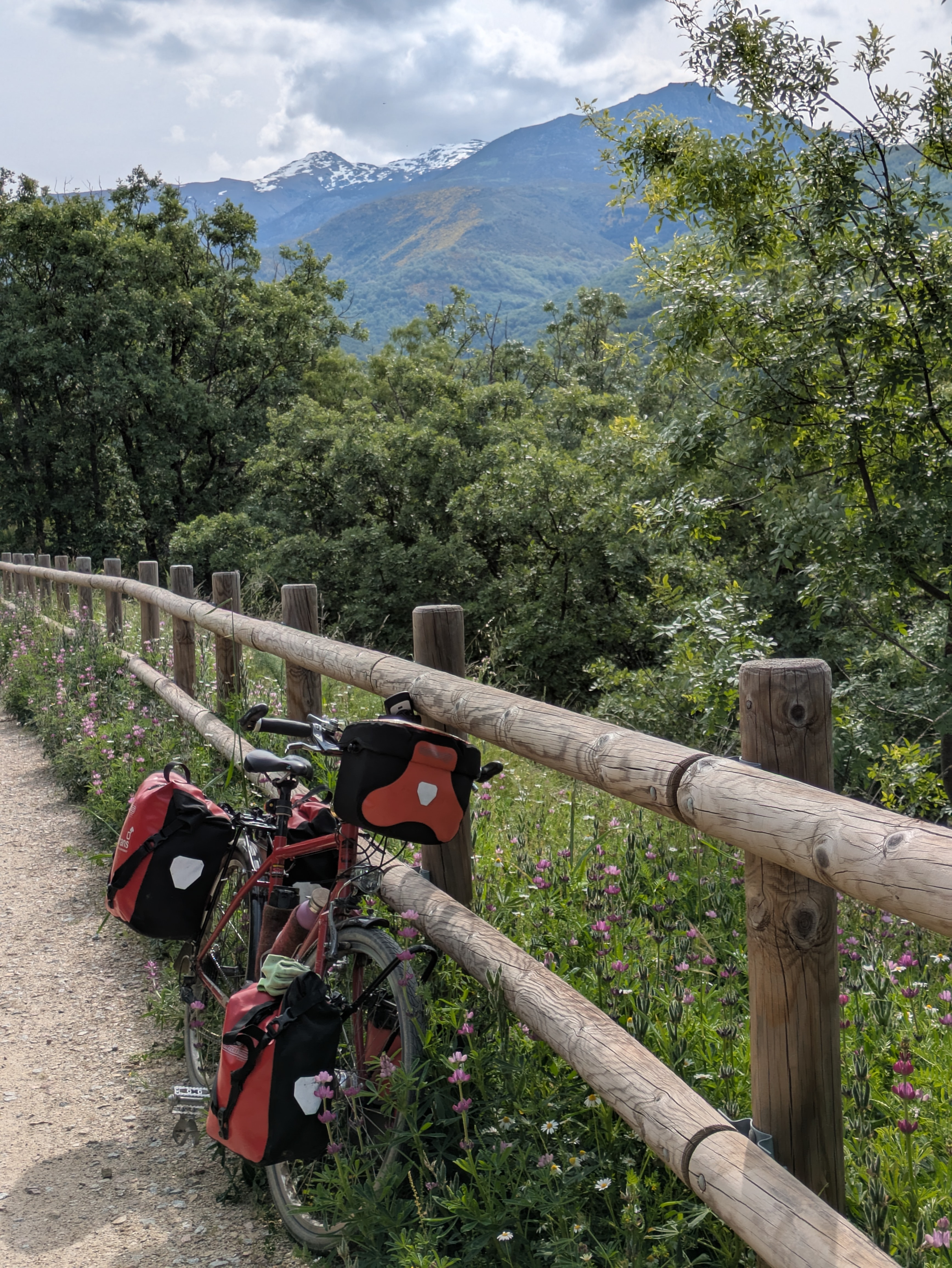
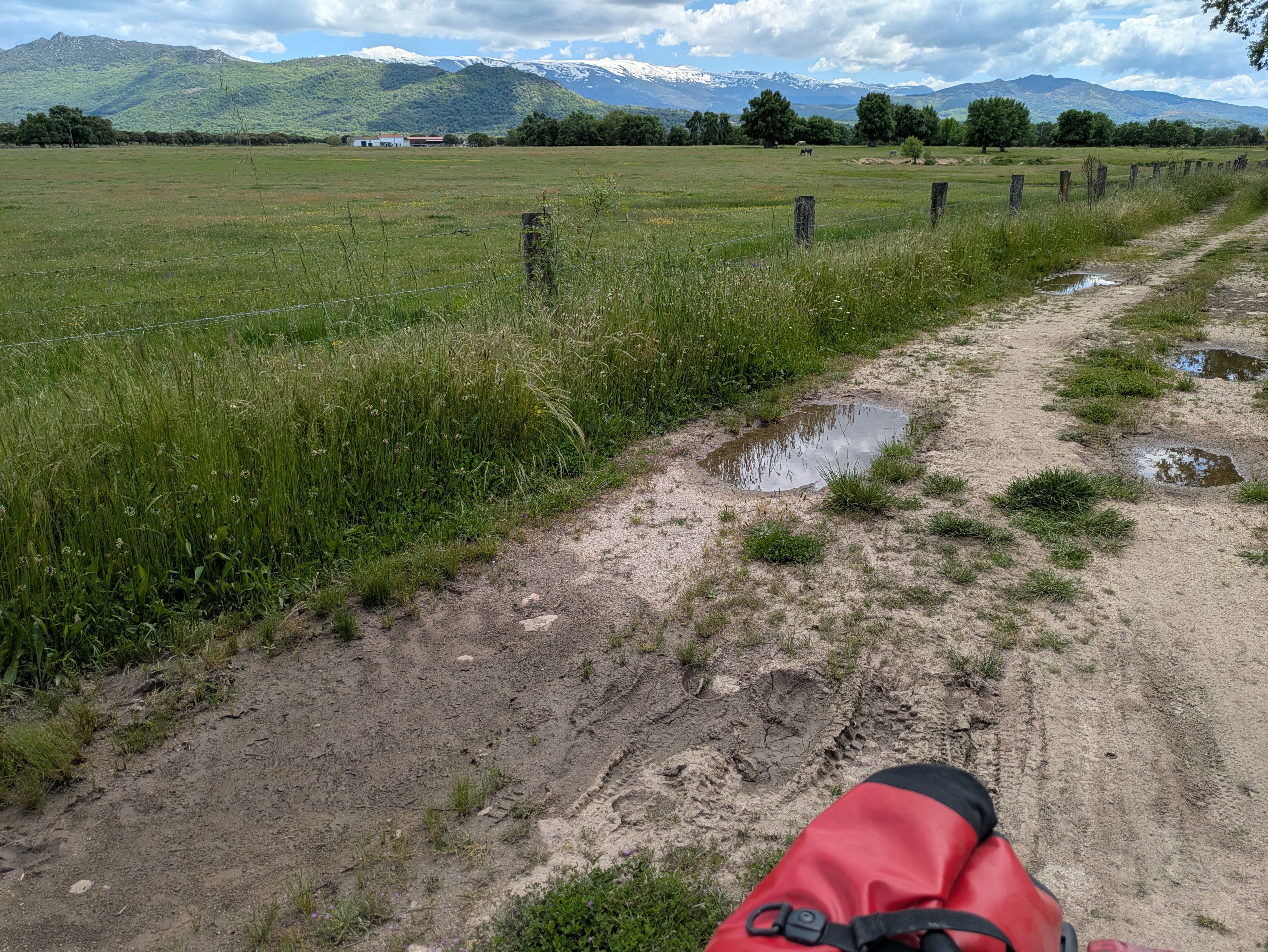
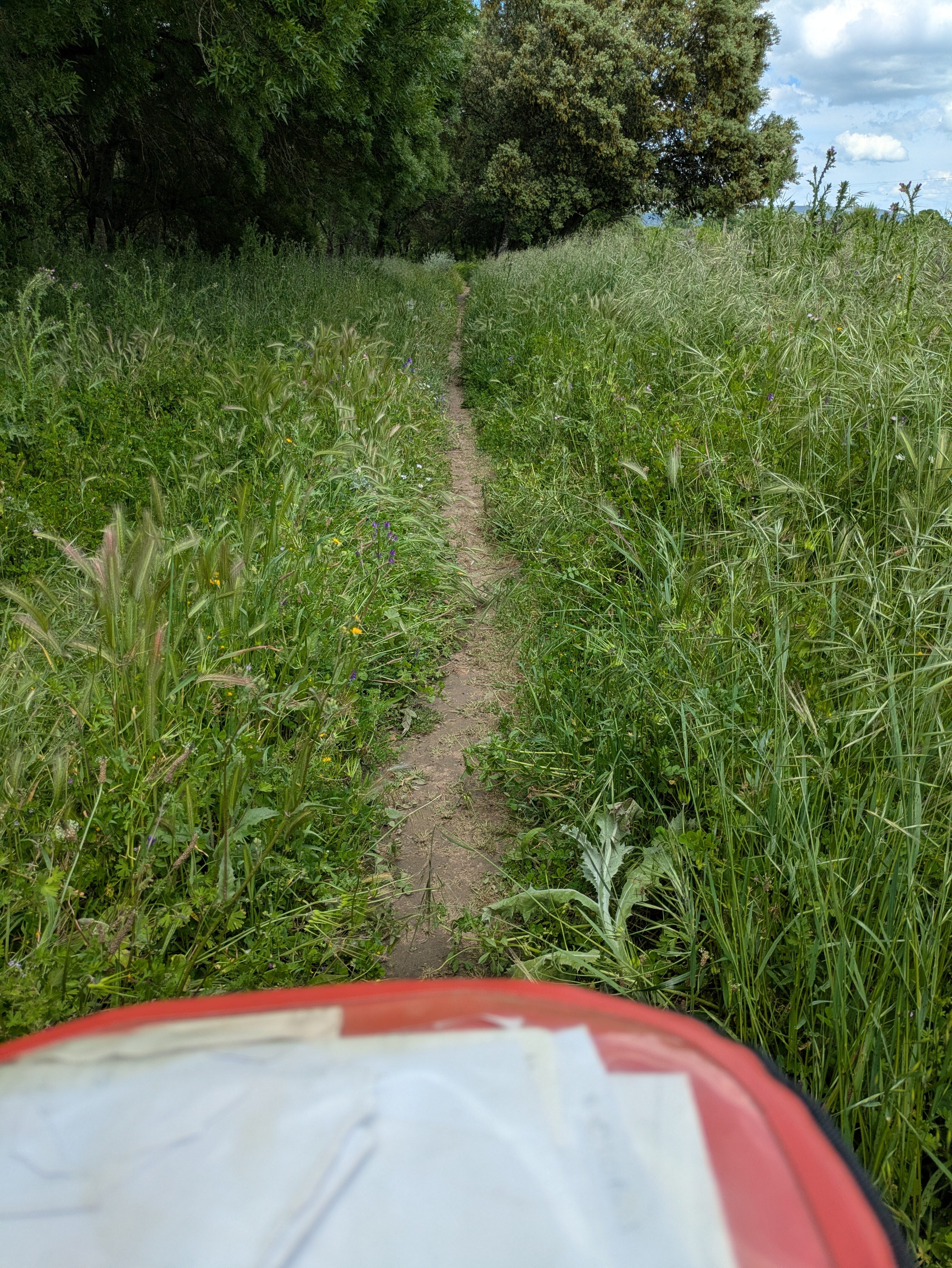
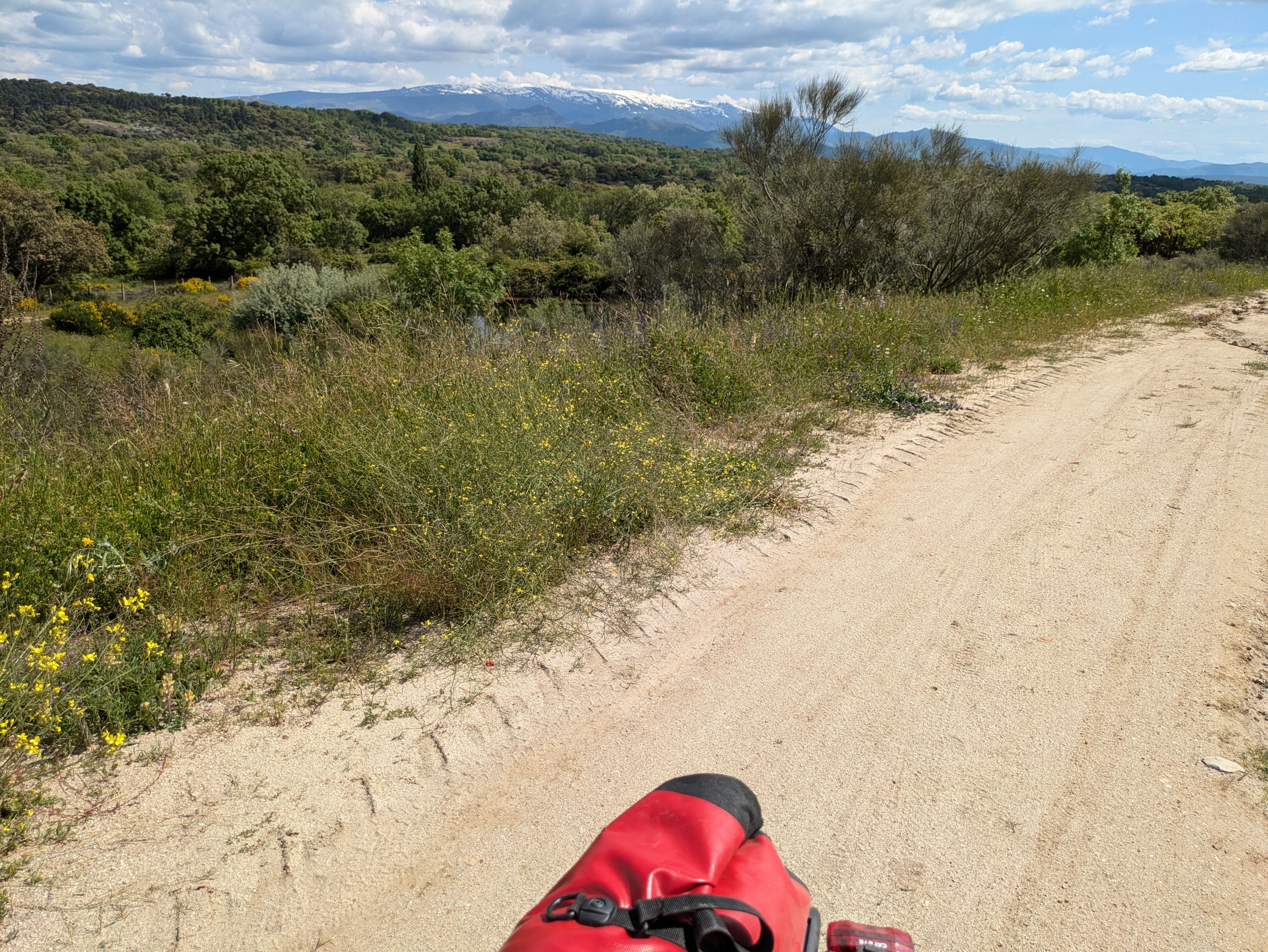
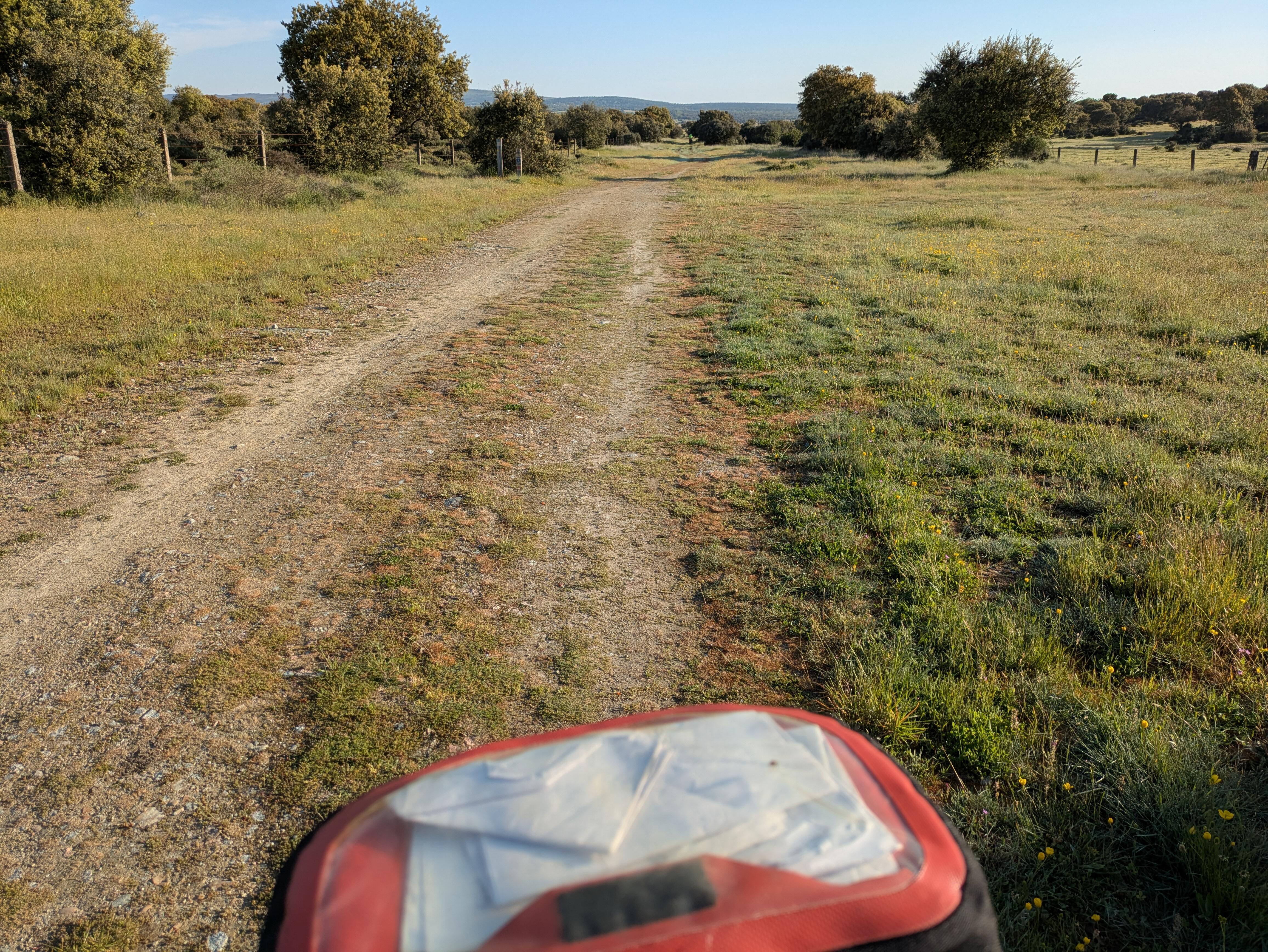
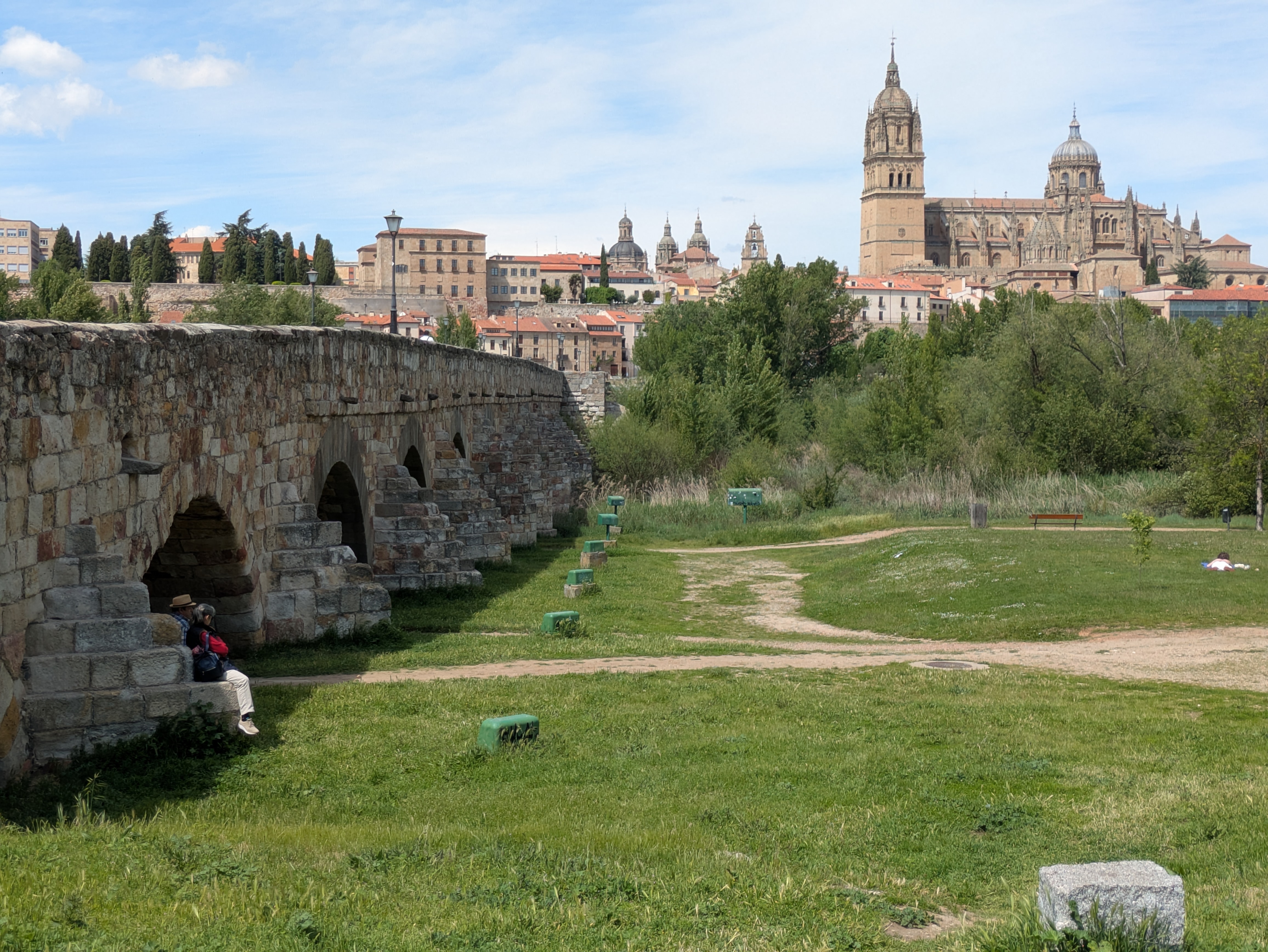
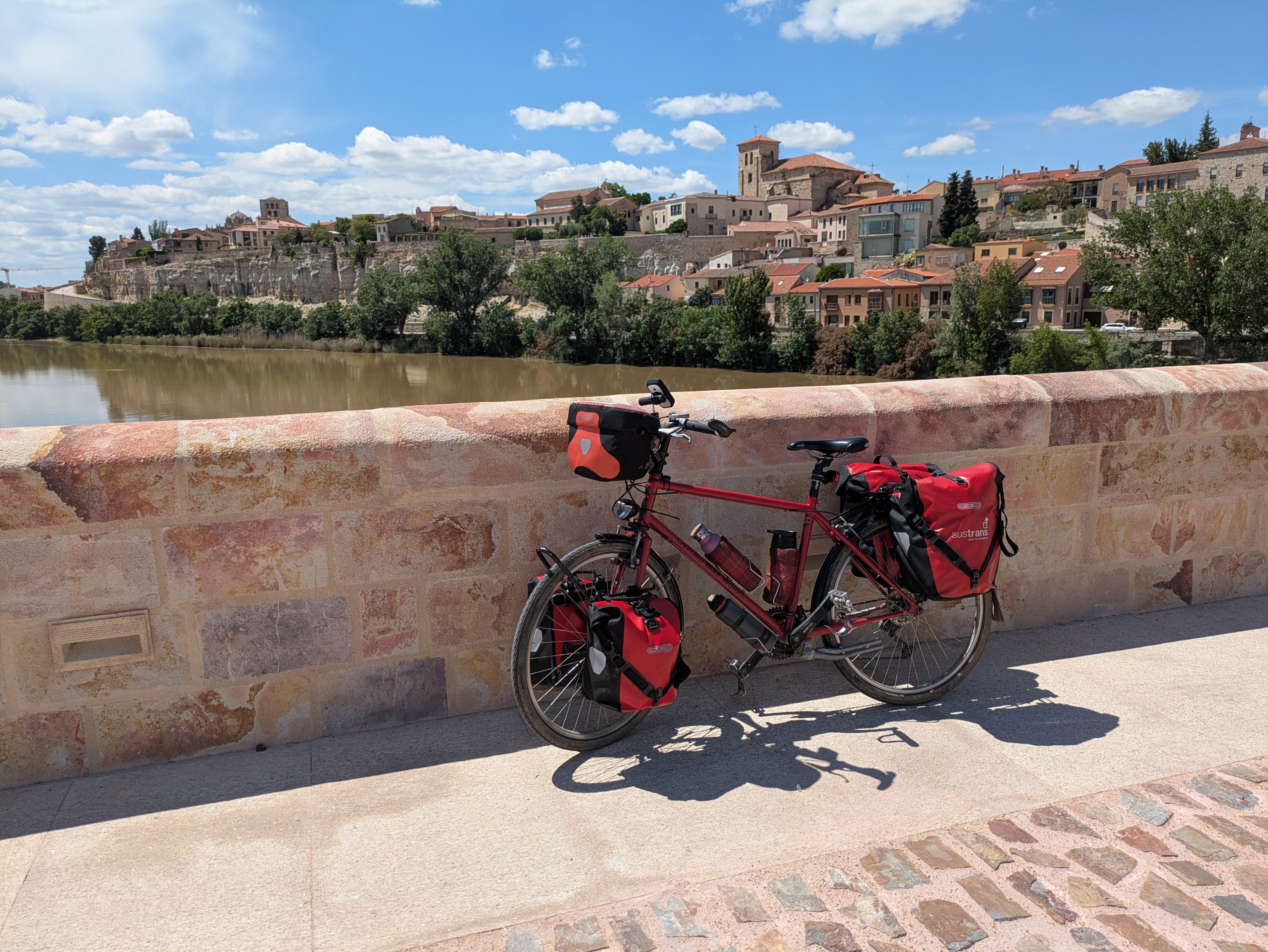
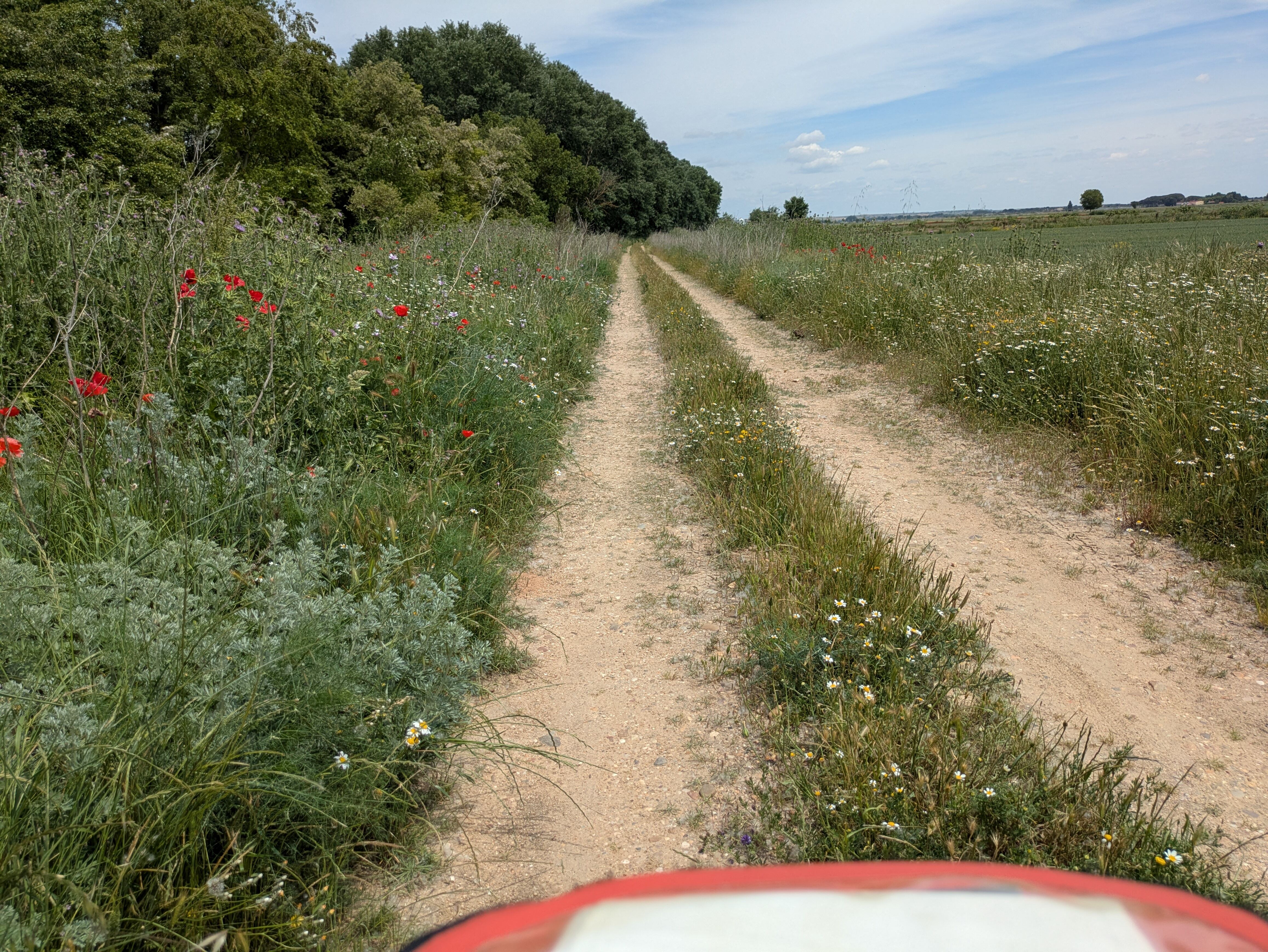
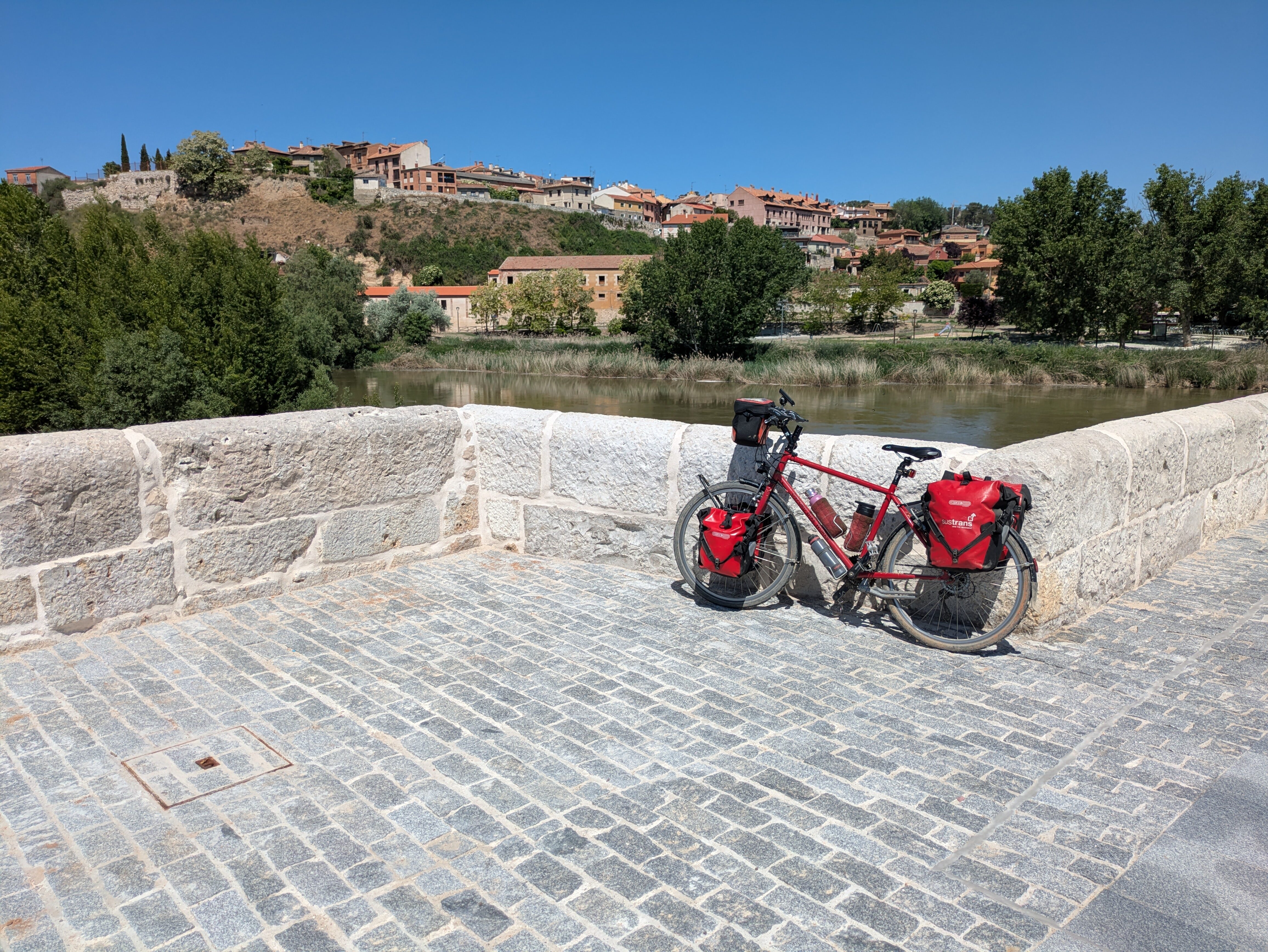
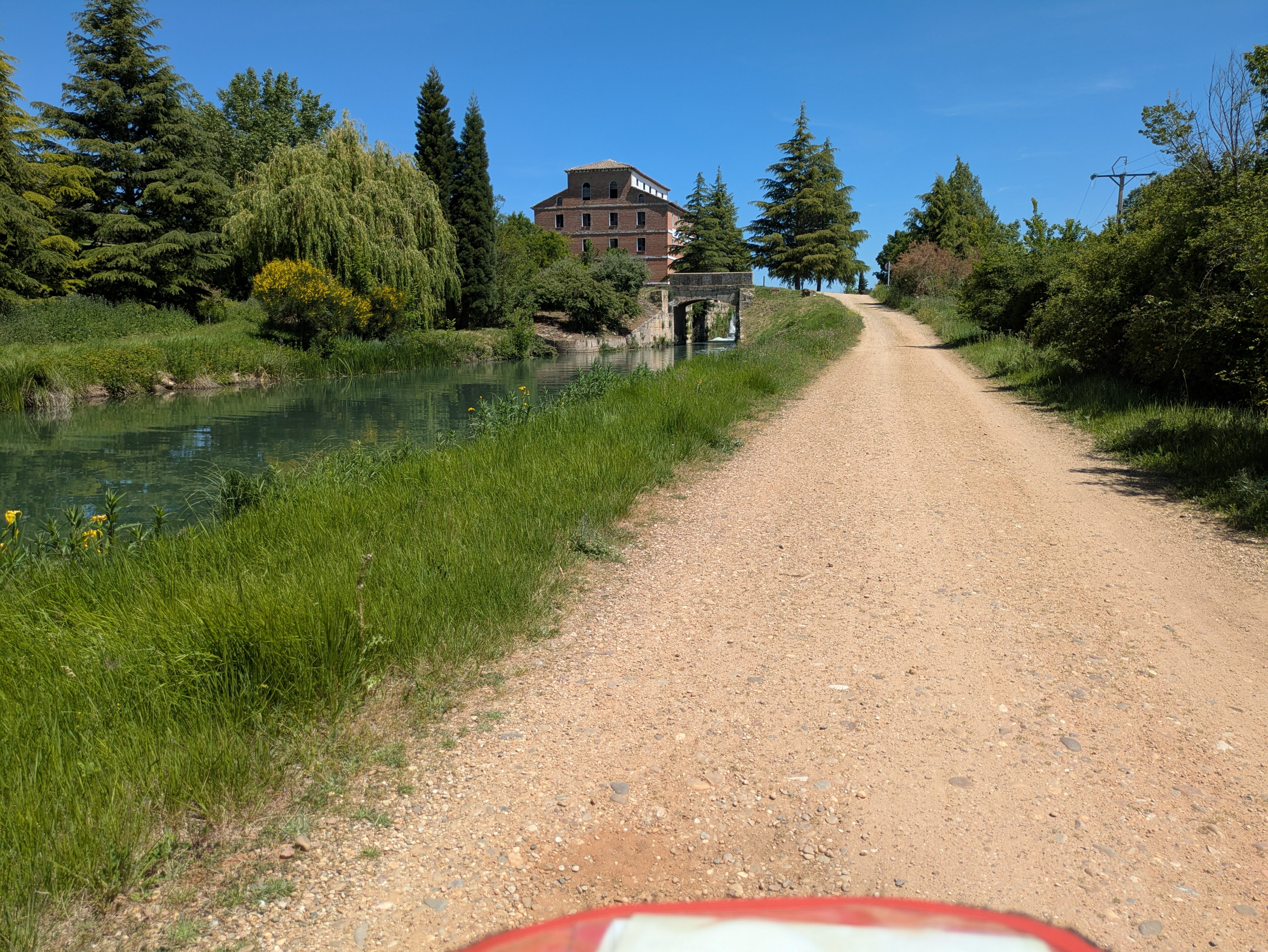
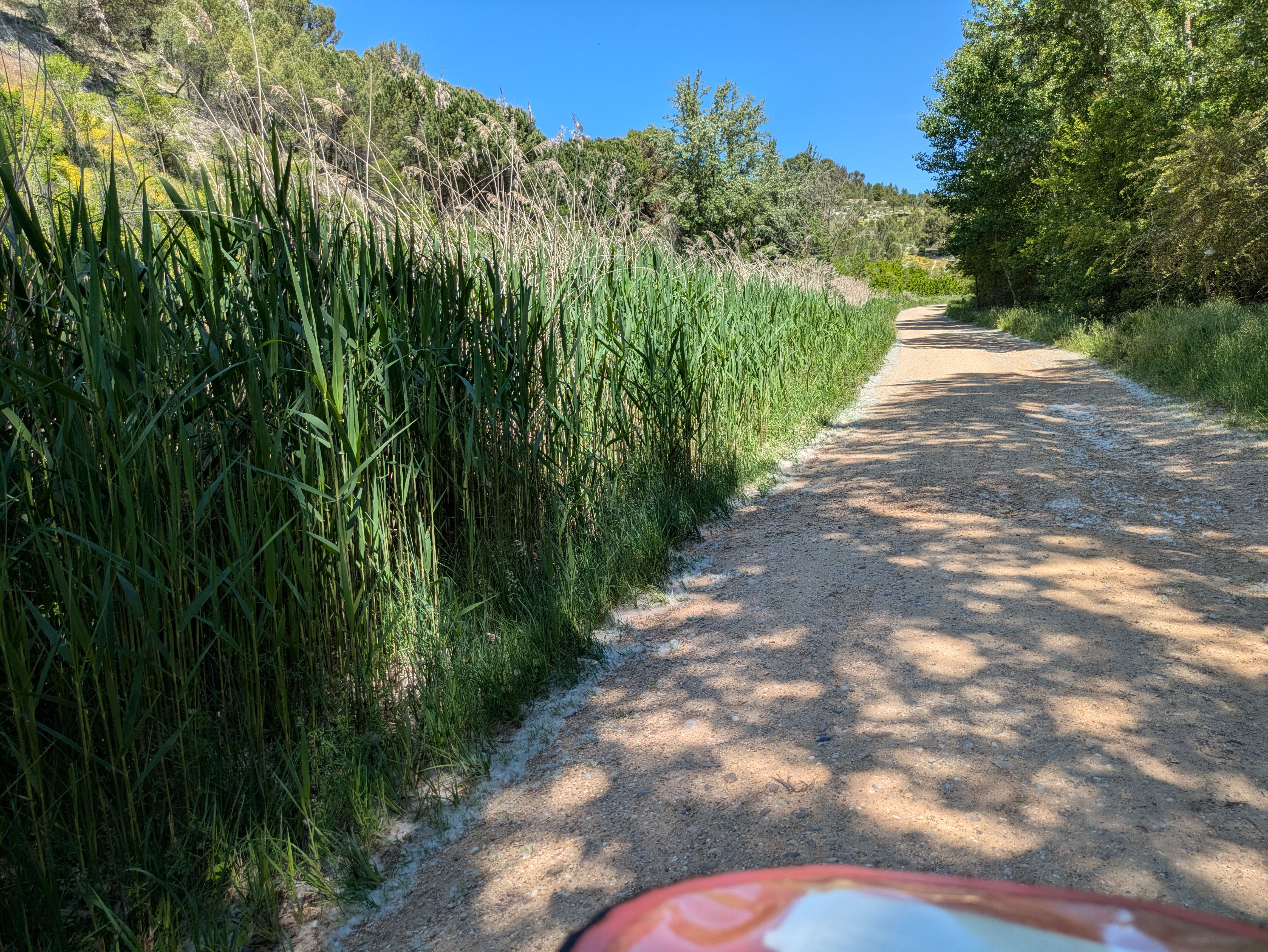
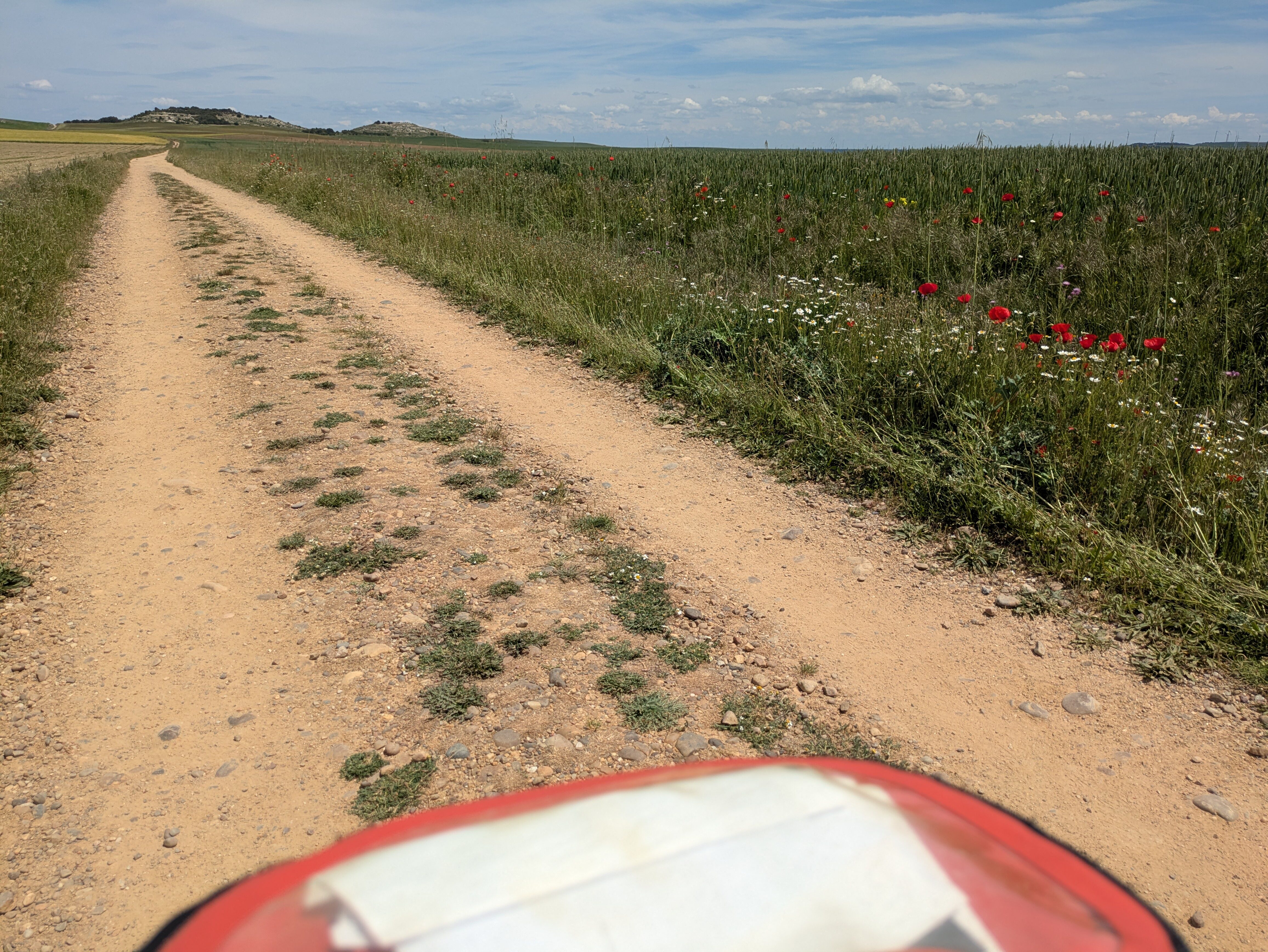
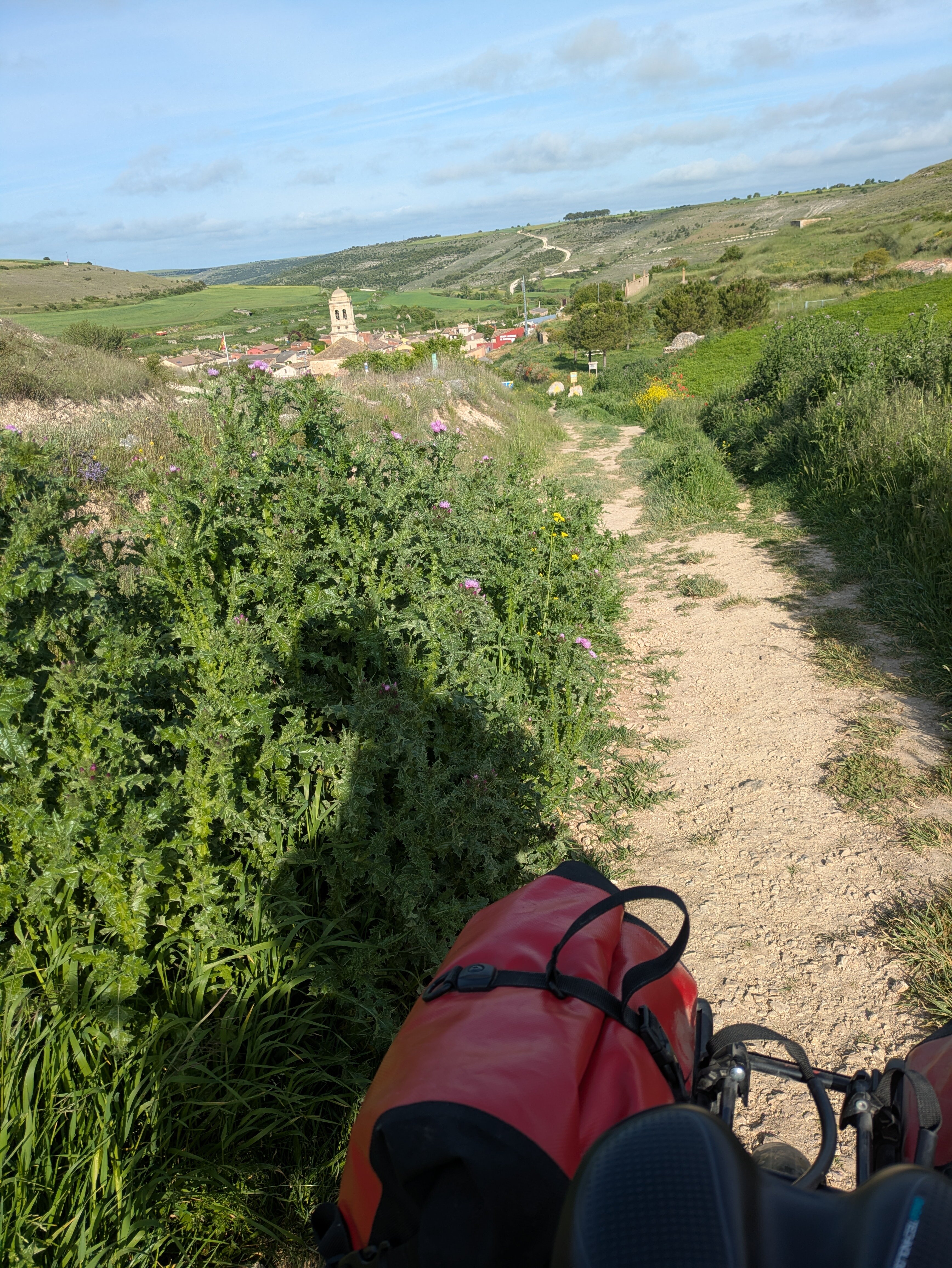
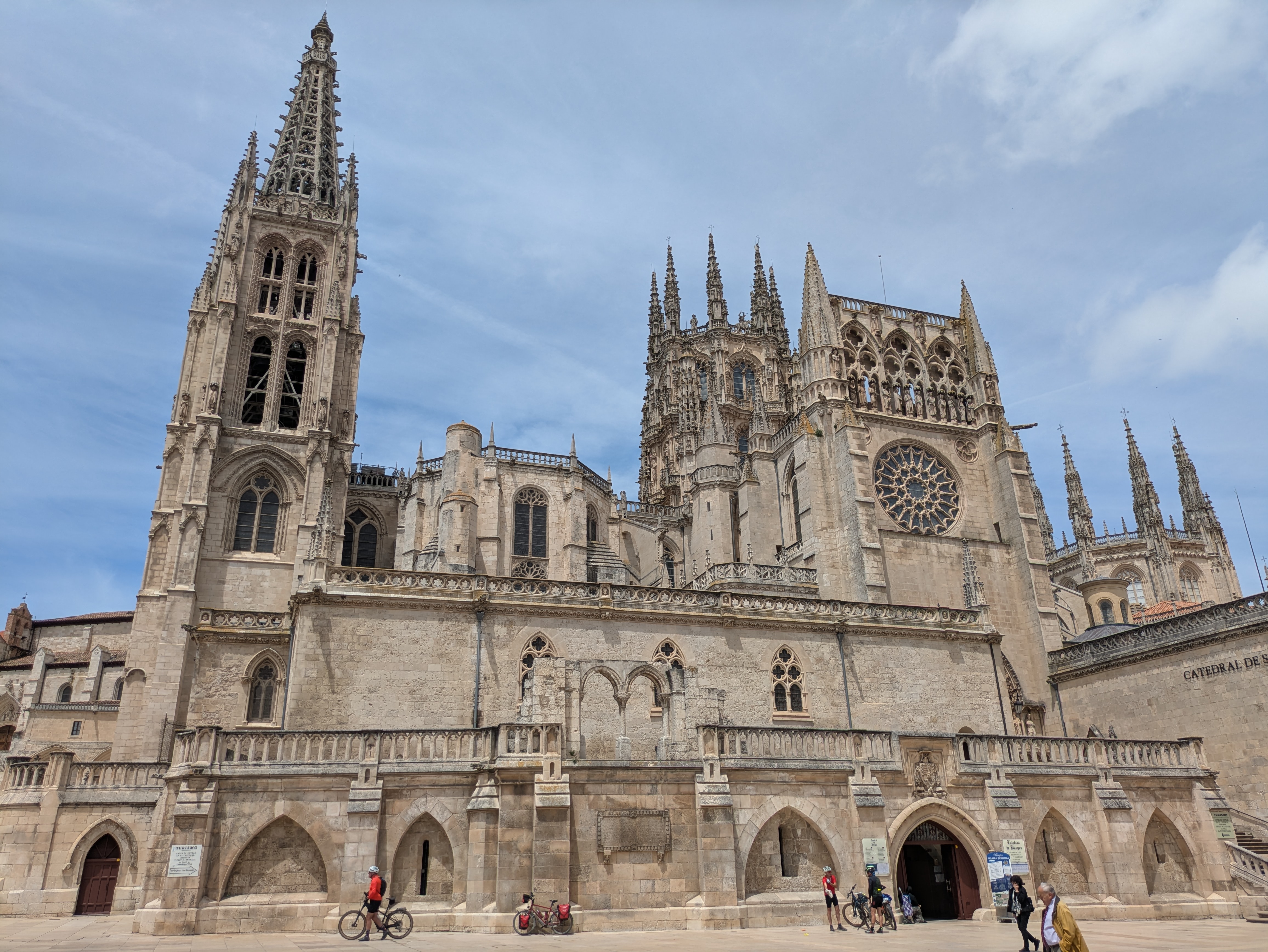
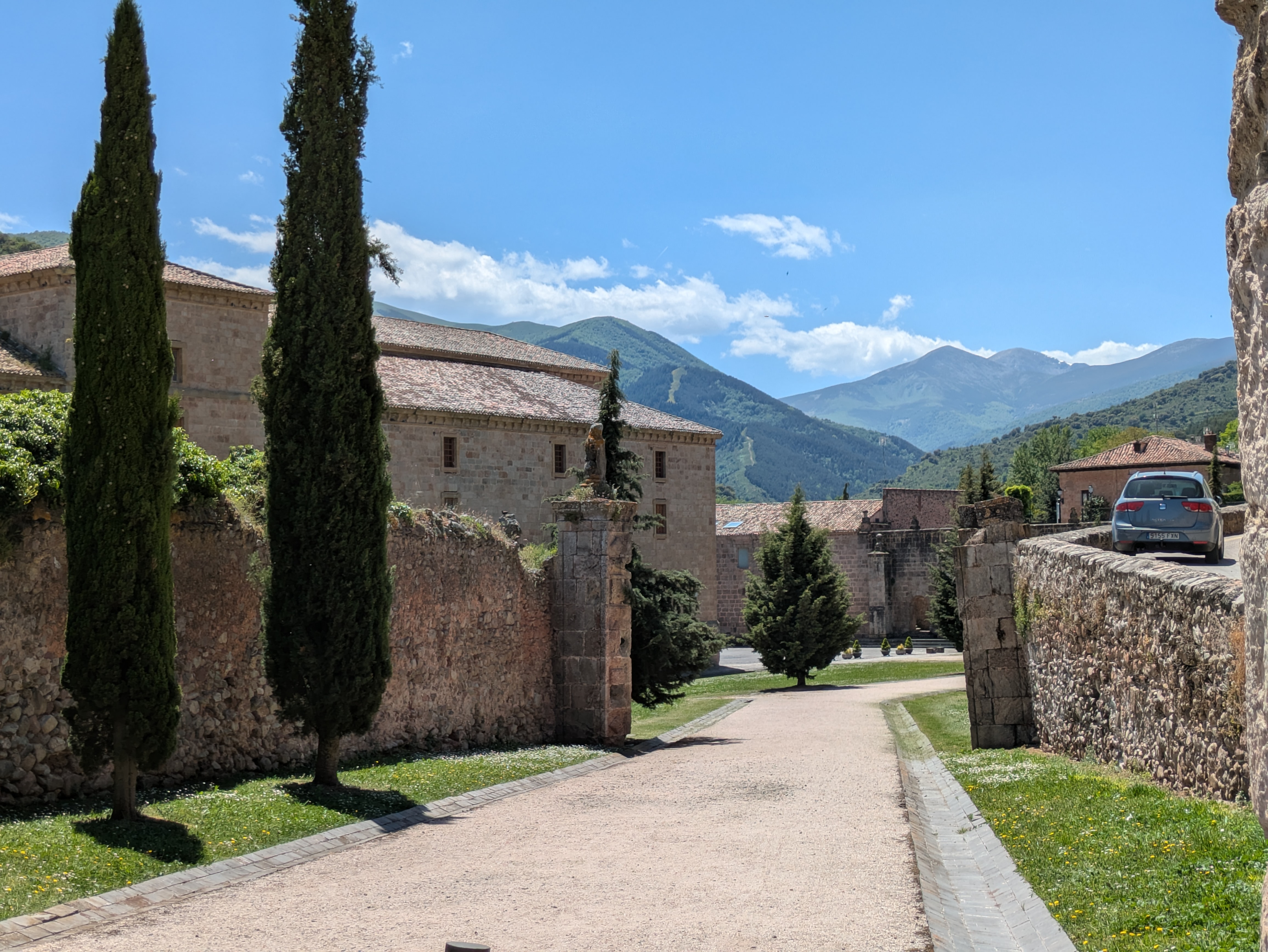
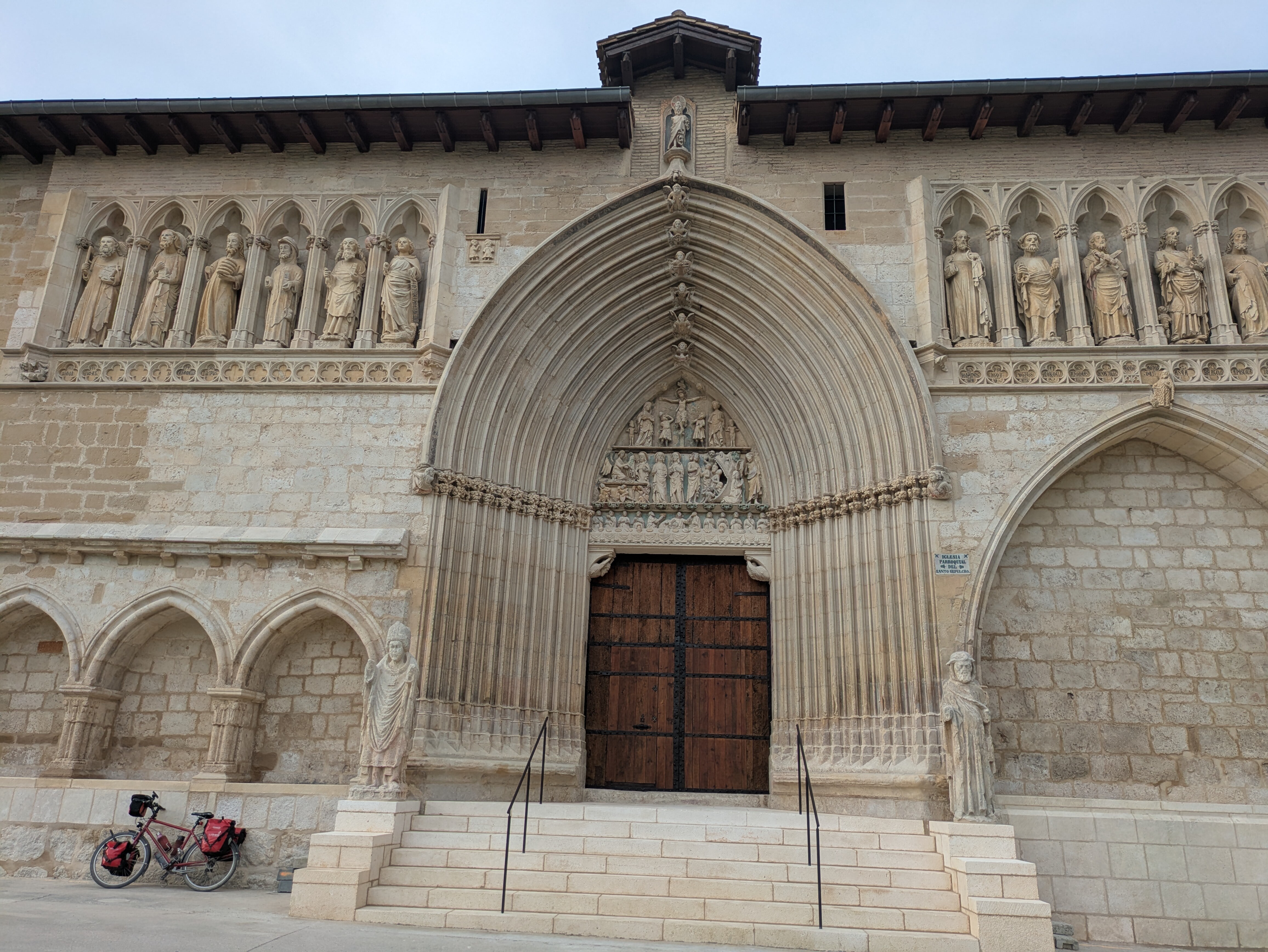
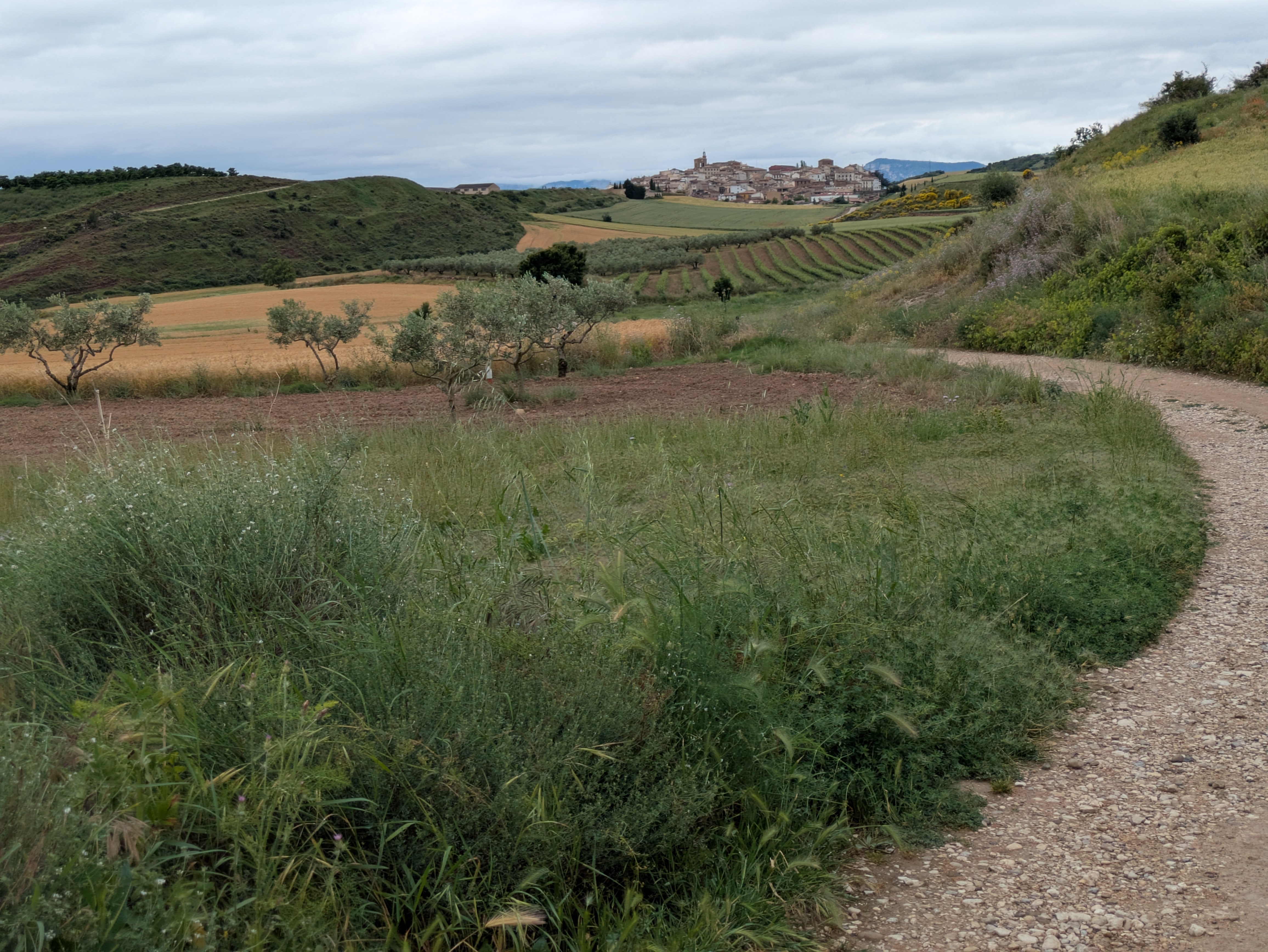
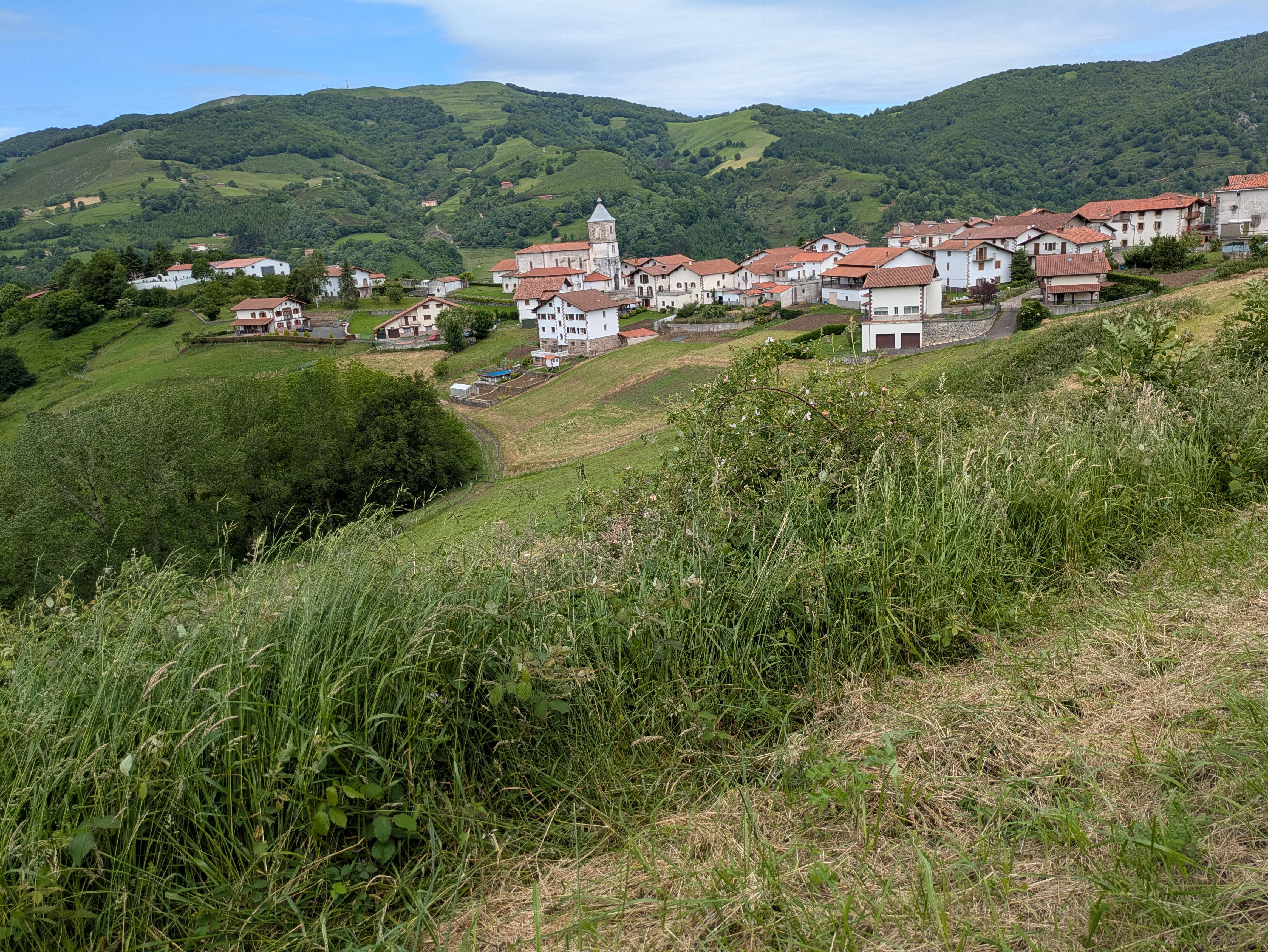
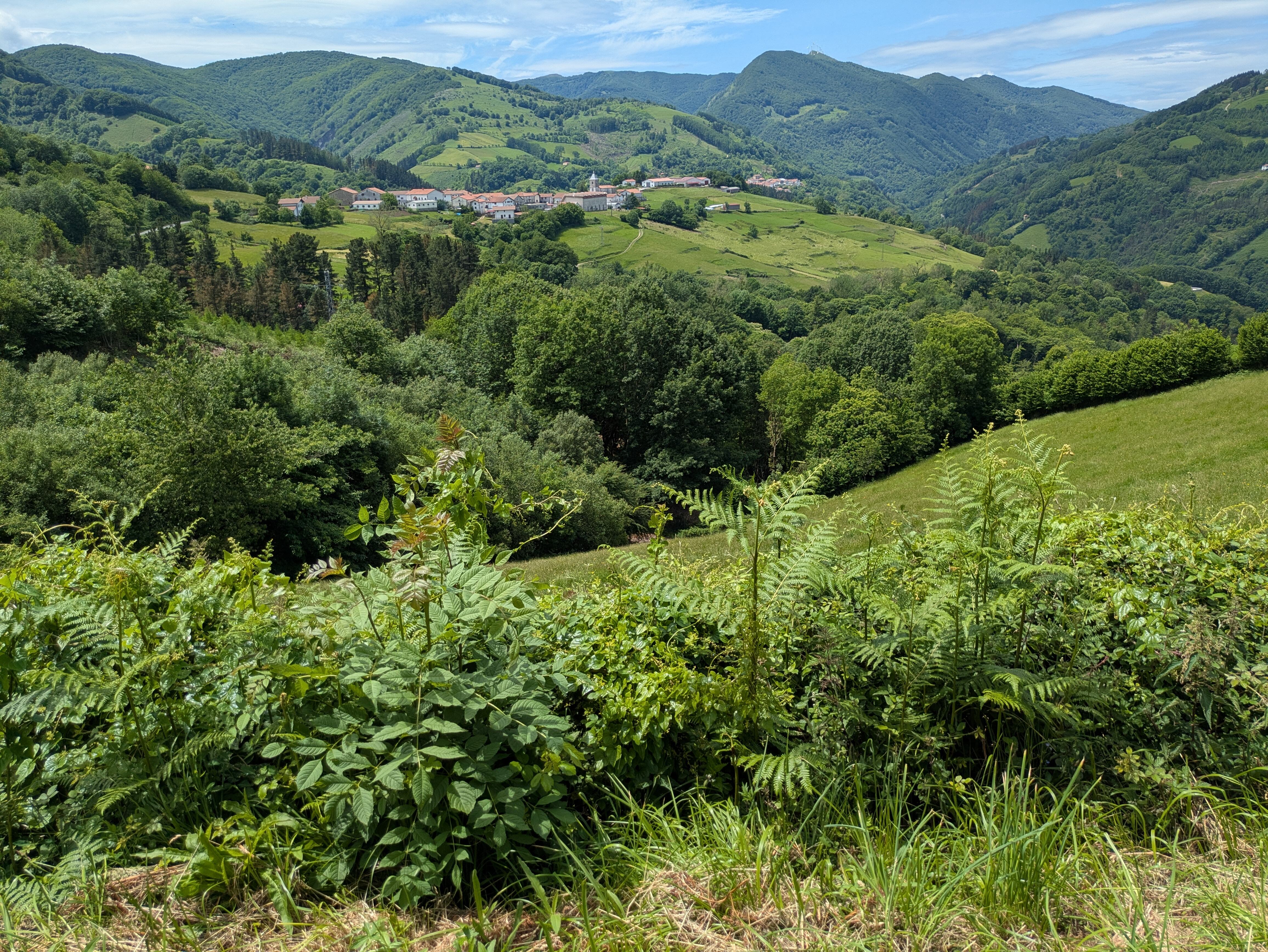
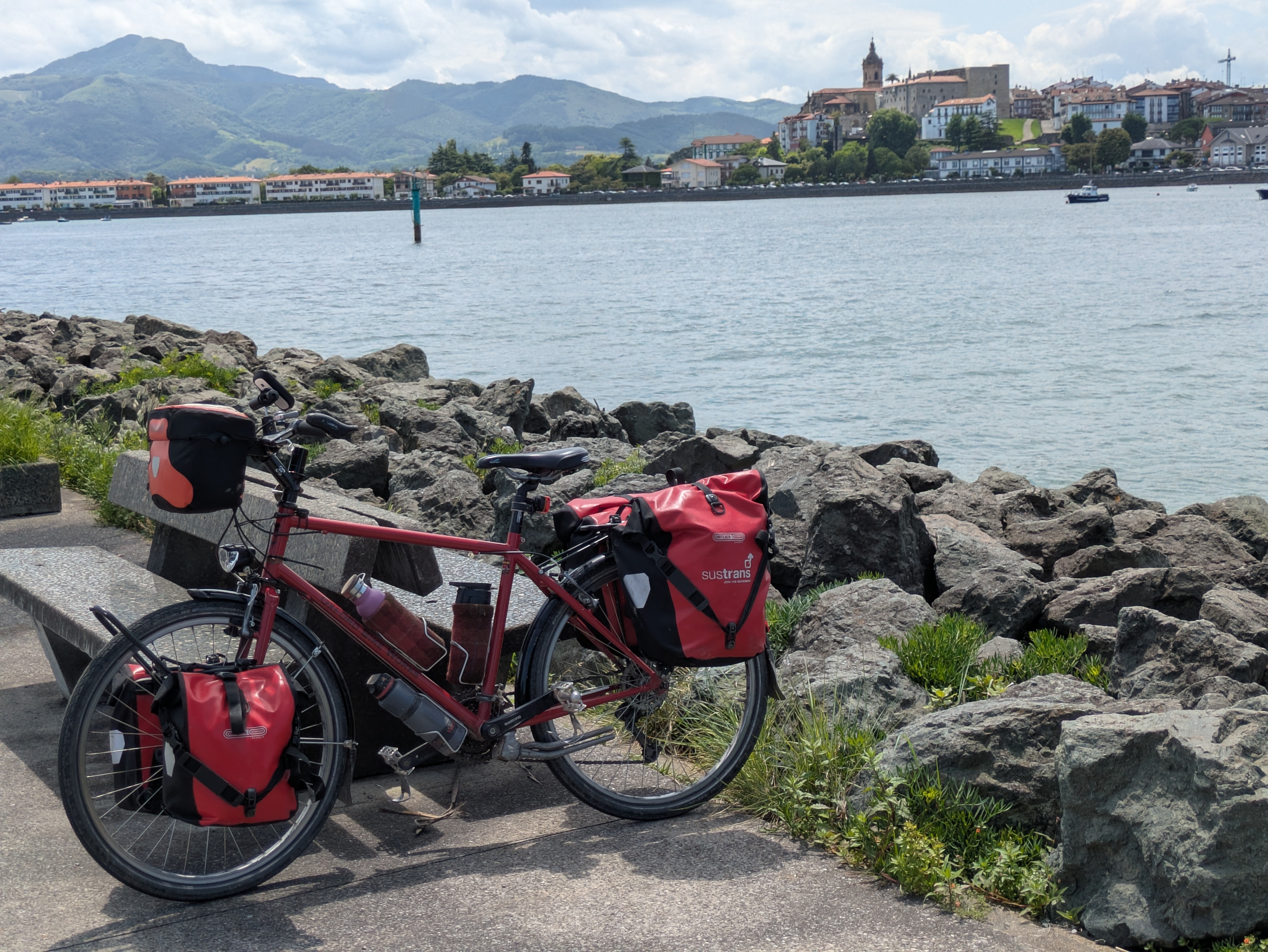
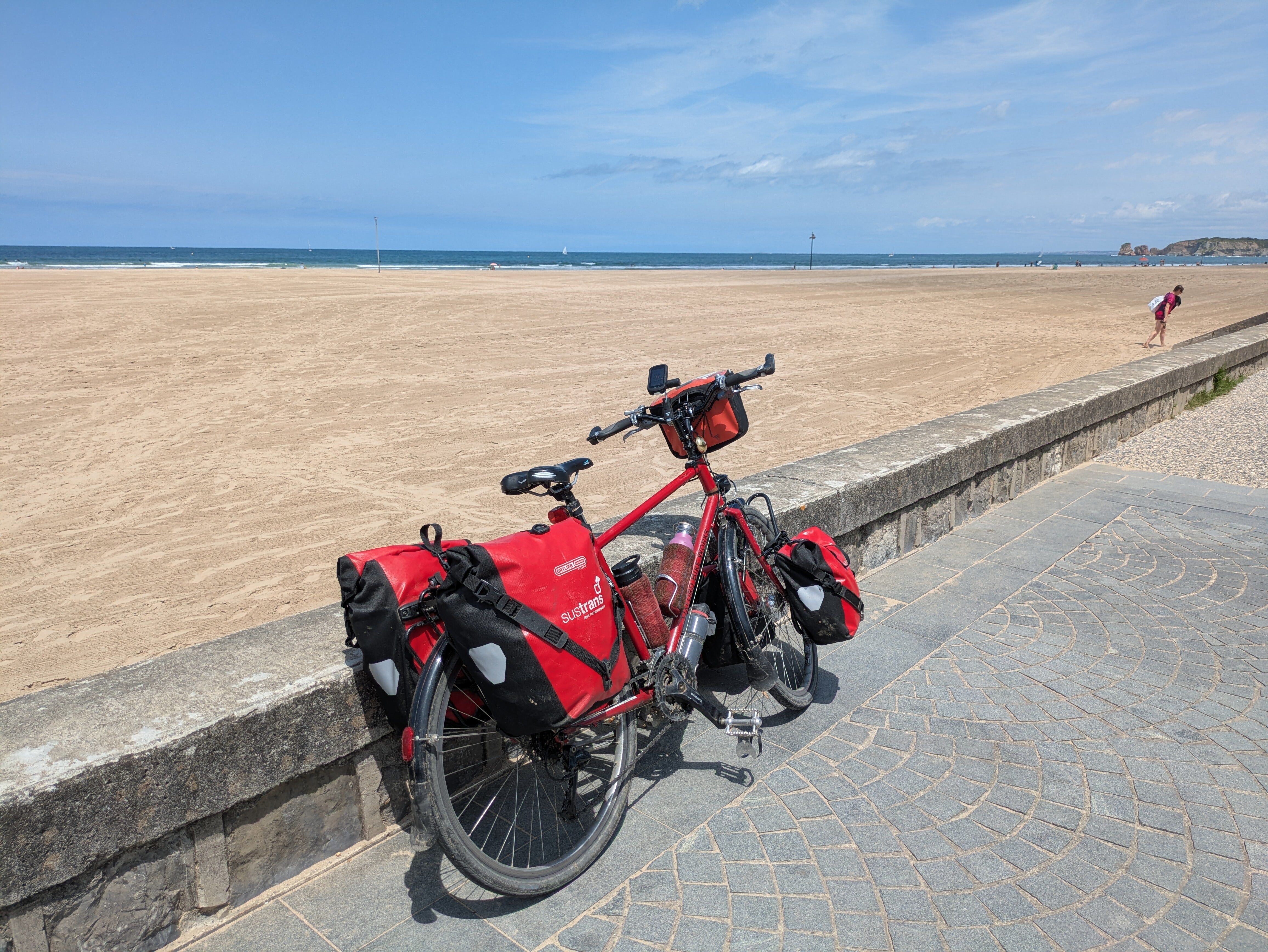
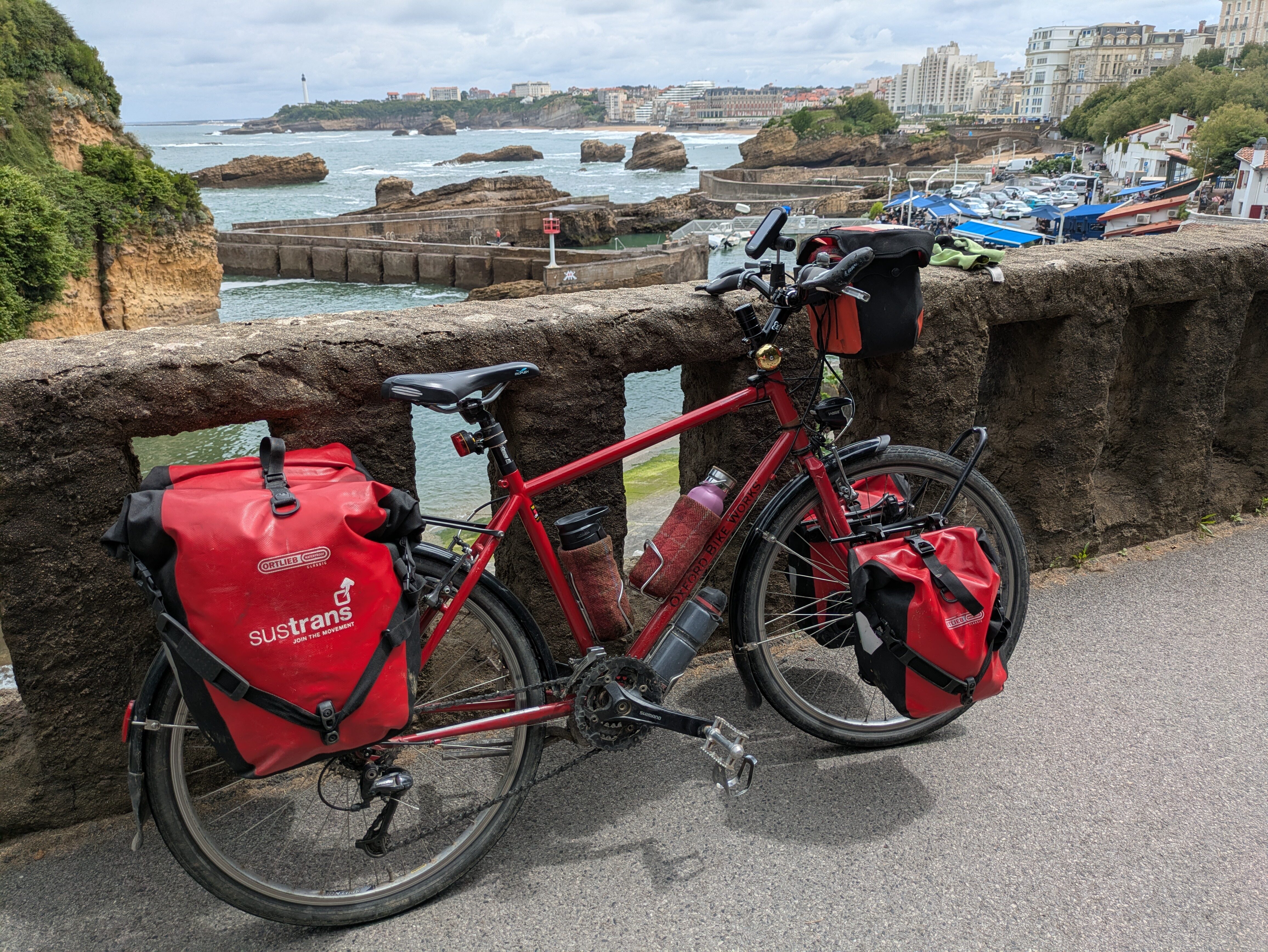
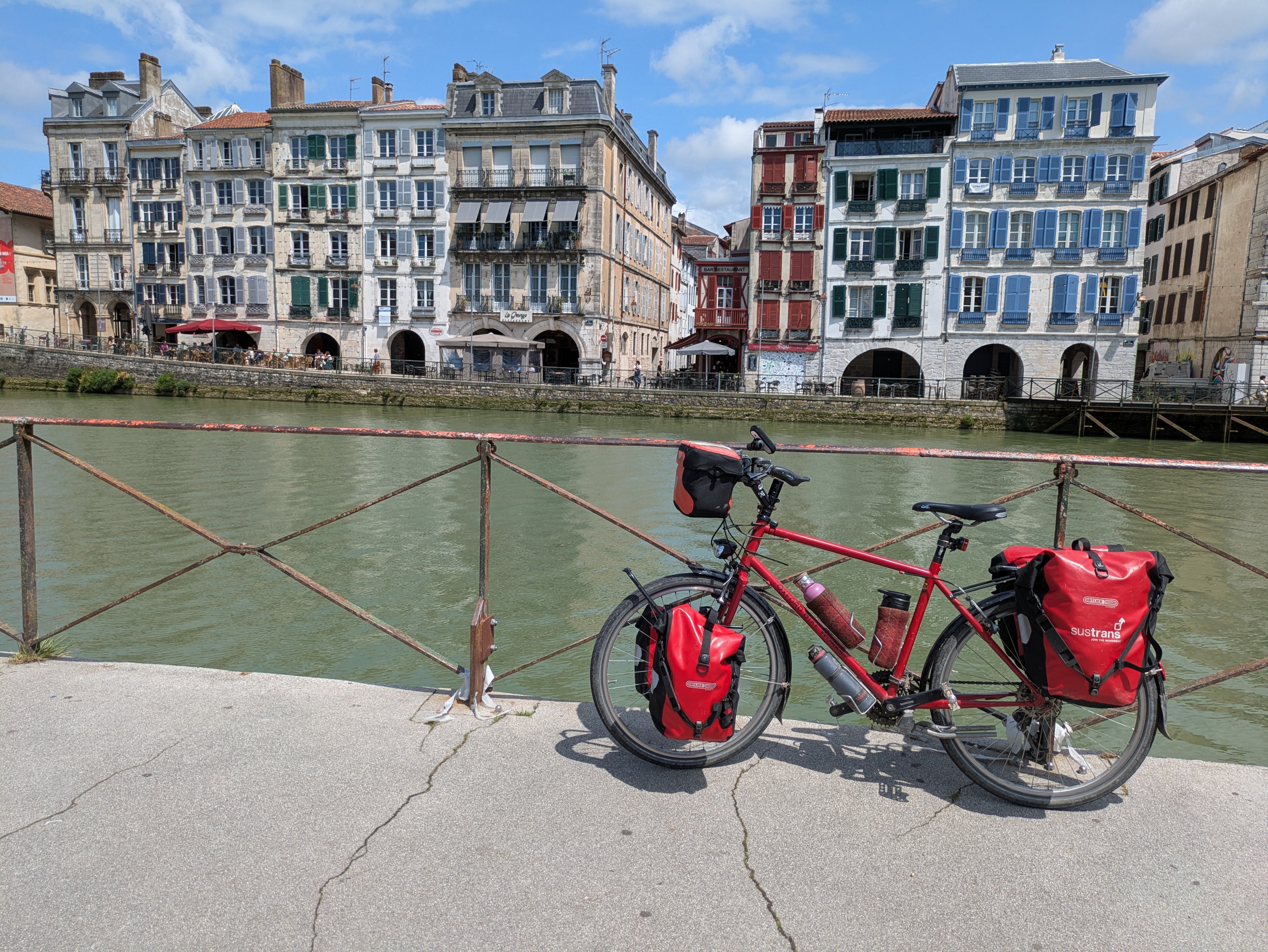
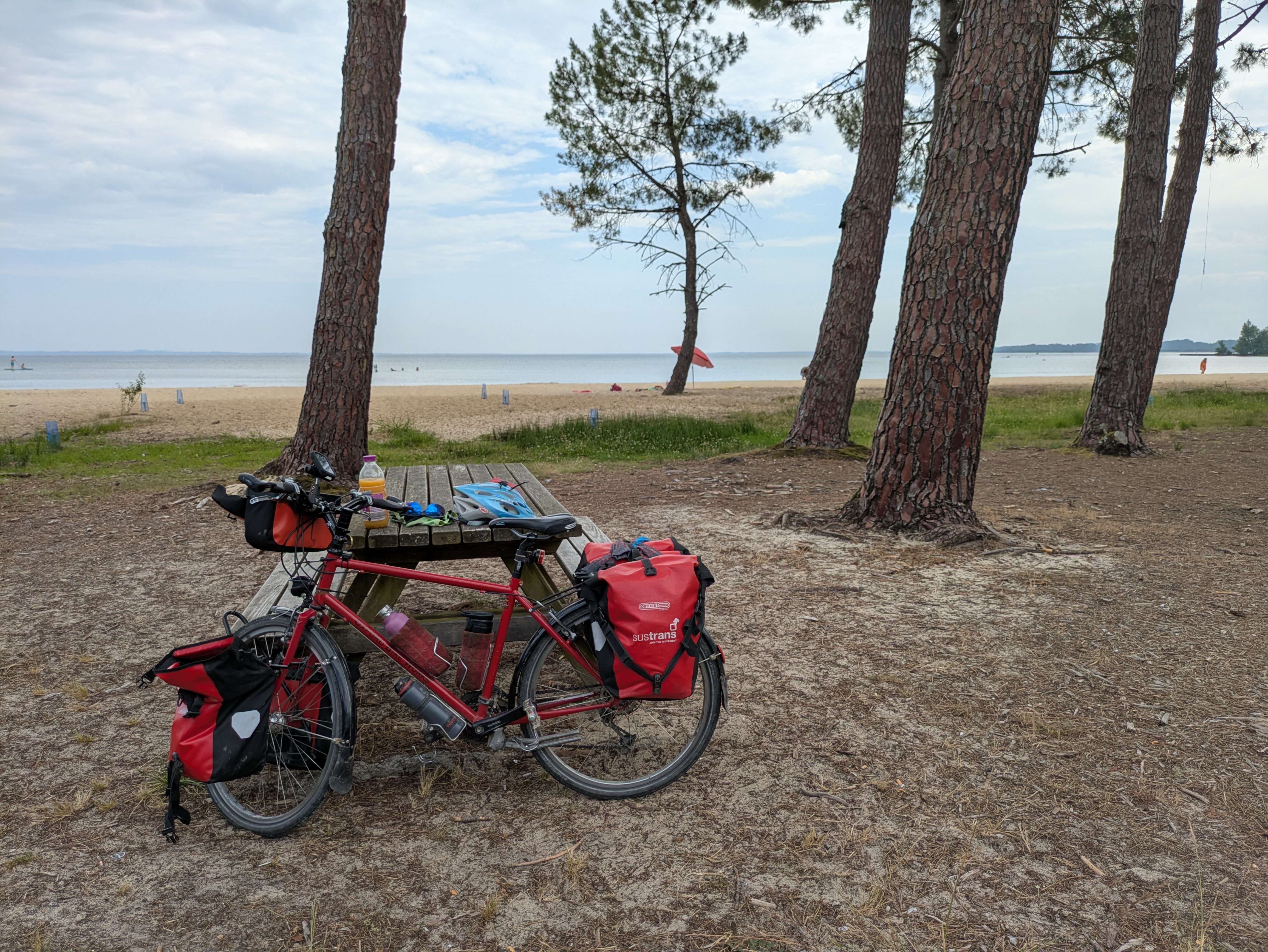
Below are some pictures of me completing Portugal, Spain and France.
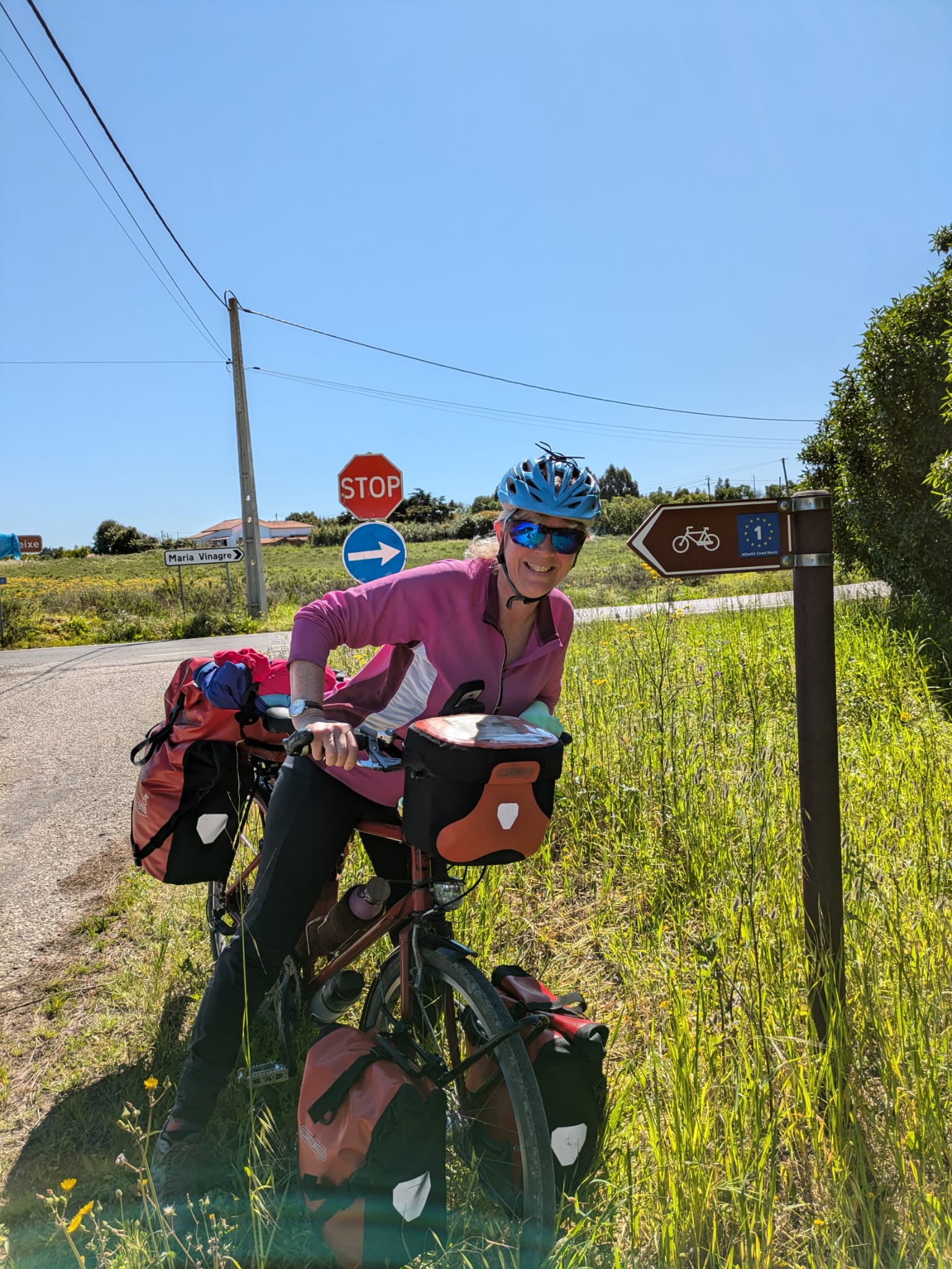
Thank you for visiting my JustGiving page supporting the MND Association. The MND Association focus on improving access to care, research and campaigning for those people living with or affected by MND in England, Wales and Northern Ireland. By sponsoring me your money will help people affected by Motor Neurone Disease. Once you donate, JustGiving will send your money directly to the MND Association. Donating through JustGiving is simple, fast and secure, your details are safe - they'll never sell them or send unwanted emails. Thank you again