
Story
Why early intervention matters - inspired by the belief that future patients should face a different trajectory
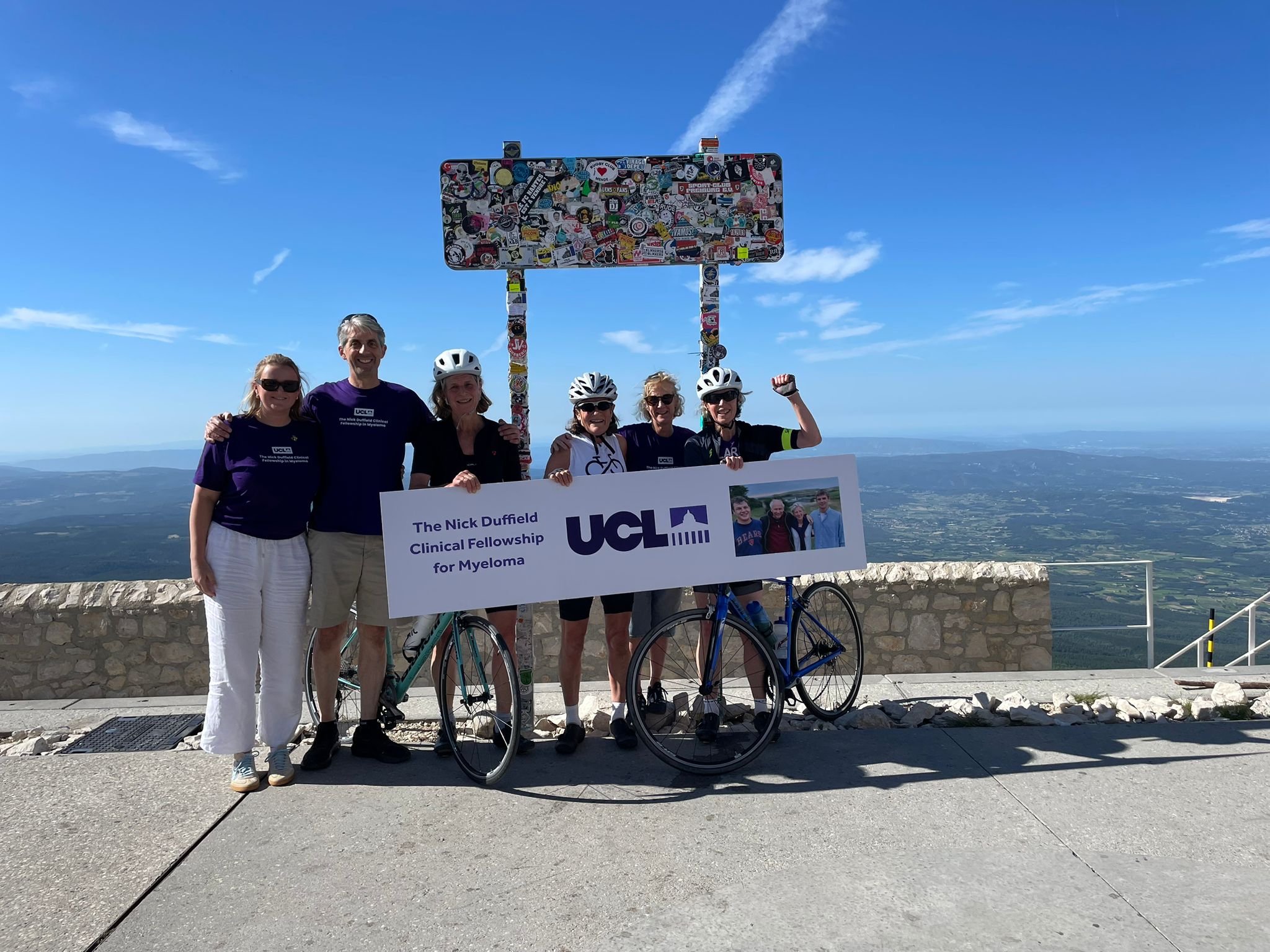
Having launched this appeal for the clinical fellowship in Nick's memory in April 2026, I have run the London Marathon (completed 4 minutes longer than 20 years ago!) and cycled up Mont Ventoux (alt 1910 and 21.4 km). With incredible generosity and unbelievable support from friends, family, Trusts and friends of friends we are now just over HALF WAY to our target, having raised £175k.
Myeloma is incurable and now the 3rd most common blood cancer in the UK. Incidence of the disease has increased by over a third since 1990s.
Smouldering Myeloma is for many the first stage of this incurable blood cancer.
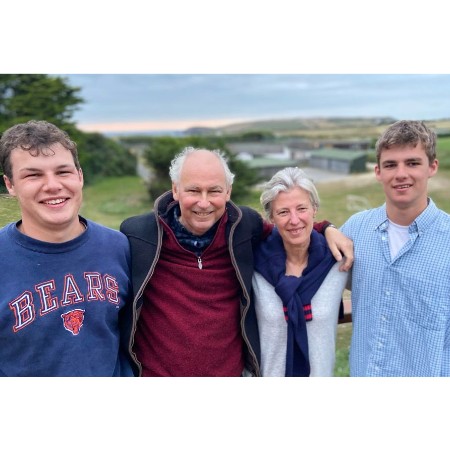
In 2013, Nick, my husband, aged 49, went for his annual corporate health check and was completely blind-sided by a diagnosis of Smouldering Myeloma. Our sons Tom and James were then 11 & 9.
Nick was totally asymptomatic. Medical approach to Smouldering Myeloma is to ‘watch and wait’ until symptoms appear by which time the Myeloma may be manageable but is incurable.
Treatment for Nick’s next 10 years, as far as medically possible, ensured he mostly had a quality of life watching his boys grow up, whilst facing his cancer daily with strength, resilience and quiet determination. This gift of precious family time was only made possible because of blood cancer research leading to life sustaining blood cancer/myeloma treatments.
Nick was, and we three will be forever grateful to his UCH medical team and the research that went before his diagnosis. Tom, James and I wish to thank them all by supporting blood cancer/myeloma research for future Myeloma patients as the disease is increasing in incidence and patient life quality and longevity depends on continual research and drug development.
The Nick Duffield Fellowship is a key post for strategically important research underway at UCL which will challenge the traditional medical paradigm of 'watch and wait' at the smouldering myeloma stage.
The clinical fellowship post will combine clinical and research expertises, it will provide immediate research gains and build lasting capacity by training the next generation and will benefit the research team at UCL in their critical work by contributing pace and depth.