
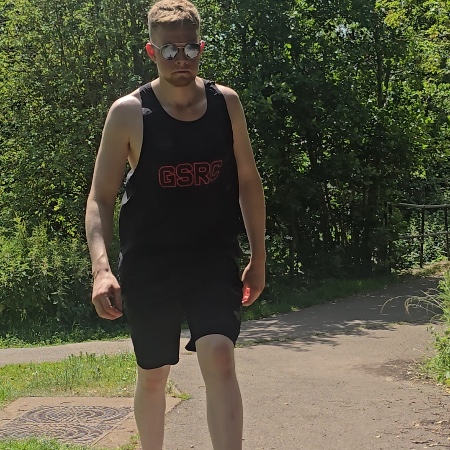

Story
I've had motor tics since I was a young child. If you've never experienced it, the shortest way I can explain it is this: your body does things you never asked it to do, and you don't get a say.
Years ago, someone noticed my tics and told me they had them too. They said theirs eased when they distracted themselves, or put their focus into not doing them. That was it — one conversation, from one person who happened to spot it and happened to say something.
That's the part I can't leave alone. Somewhere right now there's a kid, and a parent lying awake, waiting on a conversation that might never happen. Tourettes Action exists so it isn't left to luck — so the advice, the support and the information are there when people need them, not only if they happen to meet the right person.
I haven't got rid of my tics. They're still there. But I've spent years training them down using what that person told me, and today they're far less noticeable than they were ...
Tics affect everyone differently and what worked for me won't work for everyone. That's exactly why proper support matters more than a lucky encounter. That conversation changed how I live, and I only had it by chance.
So in November I'm running the Alton Towers Half Marathon. It's the first step. The long-term aim is the major marathons. Training is the opposite of a tic: every early start, every mile, every session is something I chose and something I control. If I'm going to give to this cause, I wanted to do it through the something my body does on my terms.
Where it goes
£10 can send Key Facts for Teachers leaflets to a school.
£20 can provide a newly diagnosed individual with a helpful information pack.
That second one is my story, minus the luck. Someone getting the right information because the charity was there. Not because they happened to stand next to the right stranger.
My target is £500. Somewhere tonight there's a parent lying awake with questions. £10 or £20 puts the answers within reach before they have to get lucky.