


Story
"....doctors do not treat us and science does not study us. How could a disease this common and this devastating have been forgotten by medicine?" Jennifer Brea
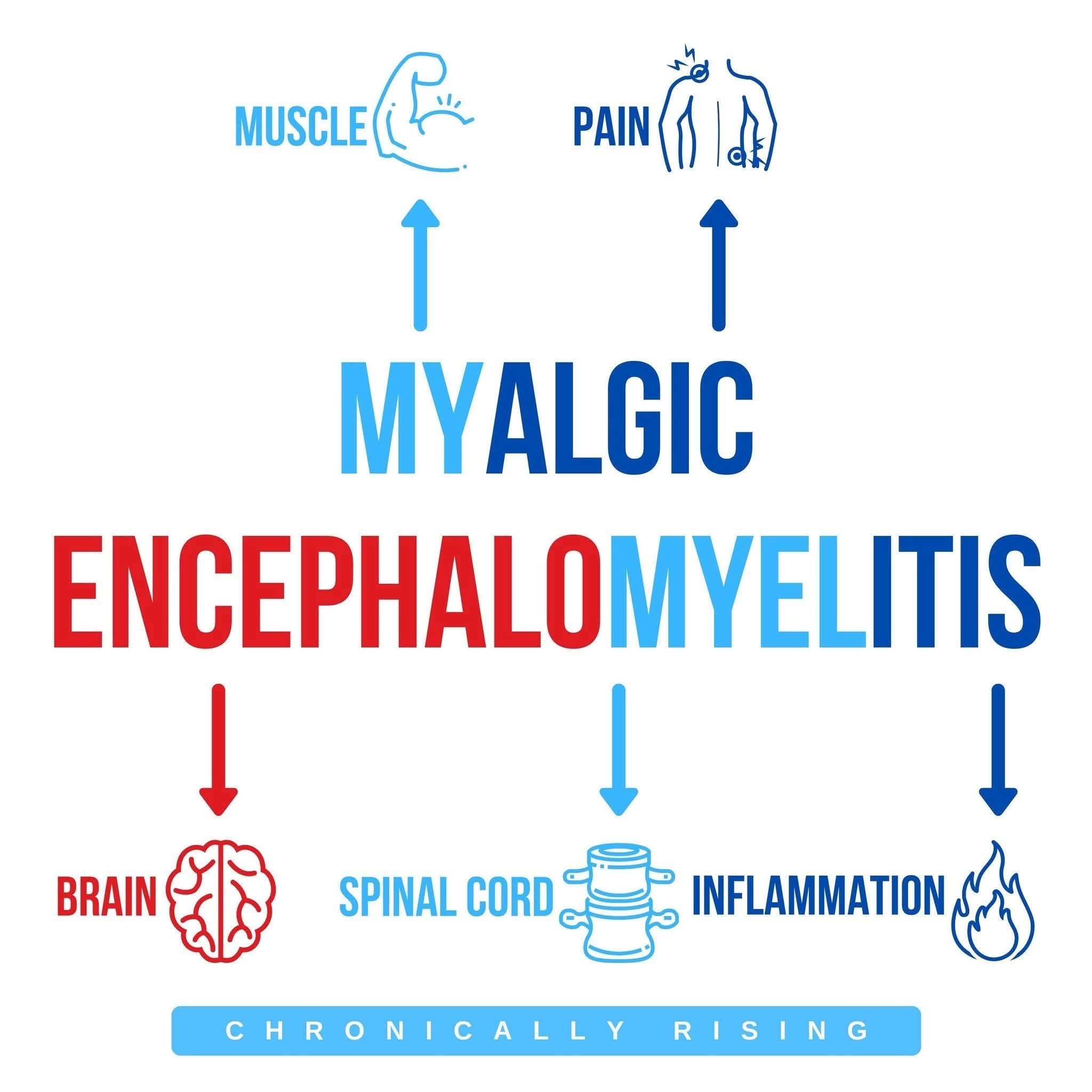
On 18th October 2026 I will be running the Yorkshire Marathon alongside my partner and friends to raise awareness and funds for Myalgic Encephalomyelitis (ME) – a complex, multisystem neuro-immune disorder that can develop after a virus. I will be fundraising for ‘ME Research UK’, a charity dedicated to funding biomedical research that is desperately needed to understand and treat this illness.
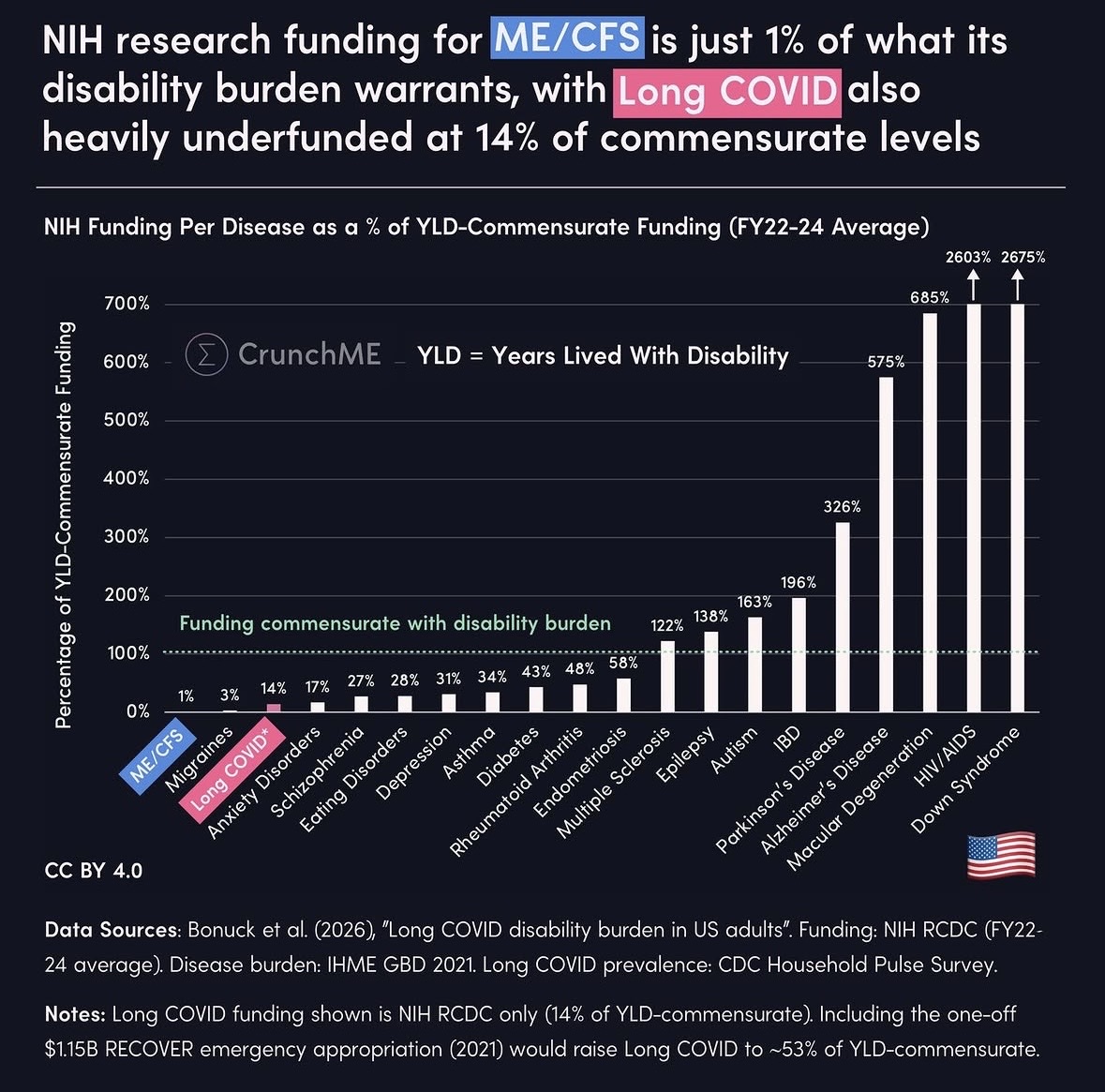
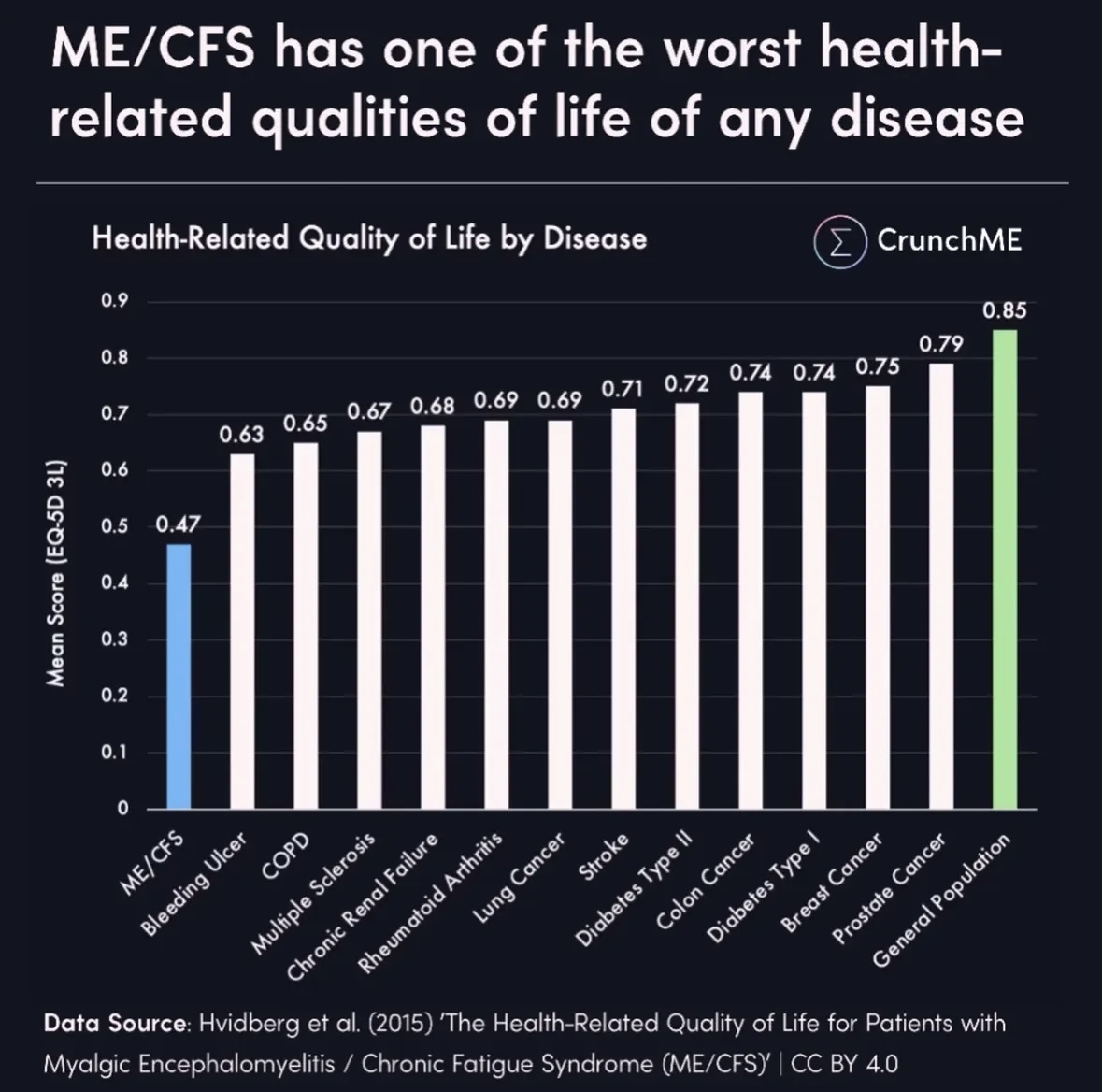
Research consistently shows people with ME experience one of the poorest qualities of life compared with other illnesses. Yet despite this, it receives unusually low funding for research and remains one of the most under-researched health conditions. ME has no cure to date, which means people have it for life. ME can affect anyone, at any age and it often affects young people who have their whole lives ahead of them.
This cause is deeply important to me and my family. In 2022, my sister developed ME after a Covid-19 and subsequent Glandular Fever infection. Before becoming ill, she was a professional athlete who represented Great Britain, competing at the Olympics, Commonwealth Games and multiple World and European Championships. She holds the Scottish women’s 200m record and is the first and only female Track & Field Olympian from Doncaster. As you can imagine, she lived a very active, driven and independent life. She would be at the track training 5 times a week, some days for up to 5 hours. Her life was dedicated to her passion for sport and pushing her body to its physical limits.
Sadly, ME has taken this all from her and more. She is now housebound and spends 22.5 hours a day in bed with debilitating symptoms. She was obviously extremely fit and healthy, and we still struggle to understand how she could become this unwell.
She is amongst the 400,000 people in the UK diagnosed with ME, however it is estimated that the figures are much higher at 1.35 million (roughly 1 in 51 people), due to the lengthy and difficult diagnosis process. My sister was lucky in that she had access to private healthcare at the time to receive a diagnosis quickly, however most people don’t have this.
People often think that ME is just fatigue and being tired - but that couldn’t be further from the truth. It is a complex condition impacting cellular energy production and can cause serious complications with the heart and brain. There are over 200 symptoms, some of which include: cognitive difficulties, nausea, pain and sleeplessness. Fatigue in ME is a very different kind of fatigue that most people experience after a long day, and especially different to the kind of fatigue my sister was used to tolerating daily from athletics training. On my sister’s worse days, she often describes a poisoned feeling and tells me it feels like her body is shutting down.
One of the hallmark symptoms of ME is Post Exertional Malaise (PEM), which means there is a dramatic increase in symptoms after activity which is disproportionate to the activity performed. Even the smallest amount of physical, social, cognitive or emotional activity can worsen symptoms. Everything has a consequence for someone with ME, even just reading, hearing noises, thinking or talking.
Other, less spoken about symptoms include the sensitivities to sound, light and smells. Because of this, people with ME are often stuck in dark, quiet rooms just to reduce symptoms, which can be extremely isolating. ME is often described as the “invisible” illness, because you don’t see the people most affected, they have often completely disappeared from life.
ME ranges from mild to very severe. People within the more severe categories are often housebound, bedbound and require 24/7 care. Some people are so ill they haven’t left their bed in years and are even tube fed because the energy used to digest food exceeds their capacity. ME can be life-threatening at the severe stages, with people dying from it every year. It can also considerably reduce life expectancy, with the latest research estimating that life is reduced by 20 years.
Seeking treatment has been a really difficult process for my sister, as sadly there are no commissioned services or specialists within the NHS. This means people with ME are often self-funding appointments with private ME specialist doctors, of which there are only a handful of in the country, all with incredibly long waiting times. My sister waited 22 months to see one of these specialists. This is different to normal private healthcare, which is usually done by choice rather than necessity arising from no other alternative. Even within private healthcare, there is no proven treatment or cure and only symptom-alleviating medications. My sister currently takes 19 different, off-label medications to manage her symptoms and comorbidities such as POTS.
For my sister, this illness has meant losing so much more than just her career in sport. It has taken away her independence, her ability to see friends and family, to go outside and to simply live the life she had worked so hard to build. Seeing this happen to someone you love so much and having so little control is incredibly difficult. Yes she is still alive, but she is surviving, not living.
We desperately want a future where people with ME have access to proper care and diagnosis, effective treatments and ultimately a cure. This is why this research matters so much. Every donation to fund this research is so greatly appreciated by our family and the ME community.
Thank you so much for your support.