

Story
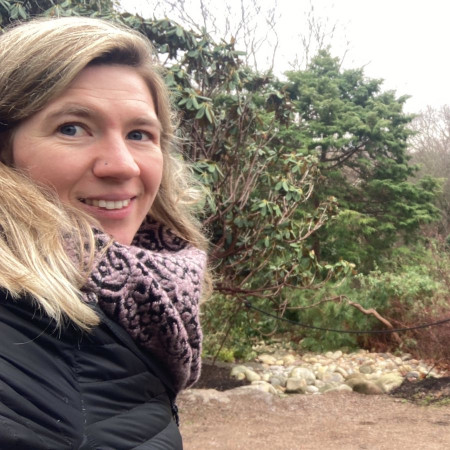
My sister Eleanor was diagnosed with Motor Neurone Disease last year in her early 30s. She has a successful career in tech, is a loving parent to a pair of very lively toddlers, and is an excellent big sister.
MND is characterized by rapidly progressing paralysis which affects the whole body, including swallowing and talking. There is currently no cure, and many of those affected live only a few years after diagnosis. It can affect people of any age and although there are some genetic variants, we don't know what causes it for the vast majority of "sporadic" cases. It is much more common than you might think: there is a 1 in 300 chance that you will develop MND at some point in your lifetime, and this can rise significantly for some classes of people, for example professional footballers and rugby players.
In recent years, MND has started to receive more attention and fundraising efforts - some of you will remember the ice bucket challenge from 2014. The resulting research has started to bear fruit, and the first gene-targeted therapy for a genetic variant of MND was approved in 2023 in the US and 2024 in Europe. This drug will signficantly extend life expectancy for the 2% of MND sufferers who have this variant. We are on the precipice of understanding this complex and frightening disease and if you are able to donate even a small amount, progress can happen even faster.
“MND isn’t incurable. It is underfunded.” Dr Nick Cole (head of research at MNDA)