



Story
605 kilometres. More than 15,000 metres of climbing. Three days. One titanium plate. A perfectly reasonable plan.
In September 2026, I will attempt to cycle through the French Alps from Annecy to Menton to raise money for Free the Bears. I would be hugely grateful for your sponsorship, which will help give rescued bears a life beyond a cage.
How I got here
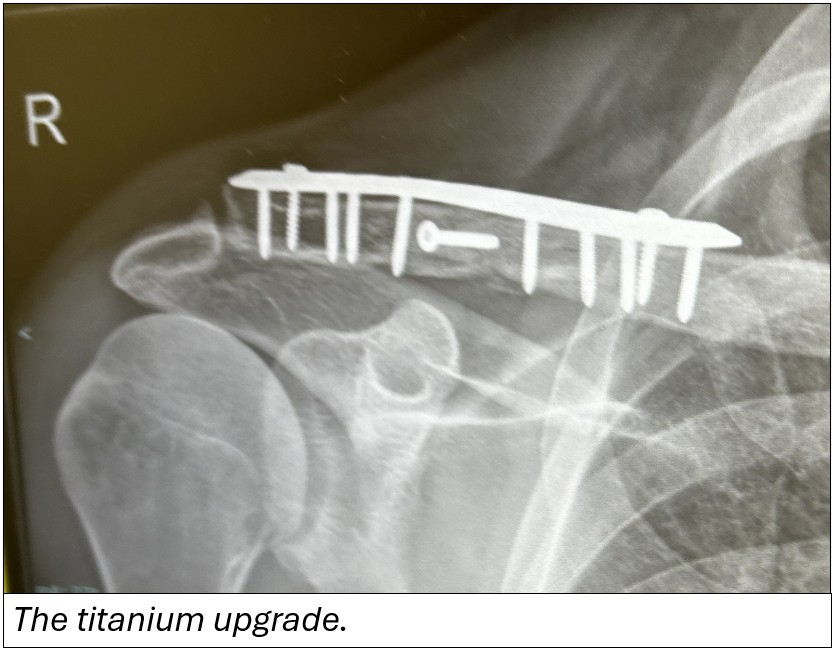
I discovered a love of road cycling in the summer of 2025 after my Mercury colleagues asked me to join them in the Gran Fondo Rotterdam for charity. I had lost my mum earlier that year and used the money she had left me to buy my first endurance bike. While training for the event, I completed my first mountain climb, riding up Montagne de Lure on what would have been my mum’s birthday. That gave the bike and cycling a meaning far beyond the event. Just over a month after the Gran Fondo, I was knocked off my bike. The impact badly fractured my collarbone, leaving it displaced and broken into several pieces.
The injury required corrective surgery and a titanium plate. It was not quite the lightweight cycling upgrade I had been considering.
Because of the injury, my age and a family history of osteoporosis on my mum’s side, I was sent for a DEXA scan. It revealed that I had osteoporosis. The accident, surgery and diagnosis left me feeling extremely fragile.
The collarbone could be repaired, but rebuilding my confidence was harder. Getting back on the bike was about more than physical recovery. Every ride came with the same question: what happens if I fall again?
At least the diagnosis meant I could address a condition that might otherwise have gone undetected. I suppose you could call that a lucky break.
Why the Inferno?
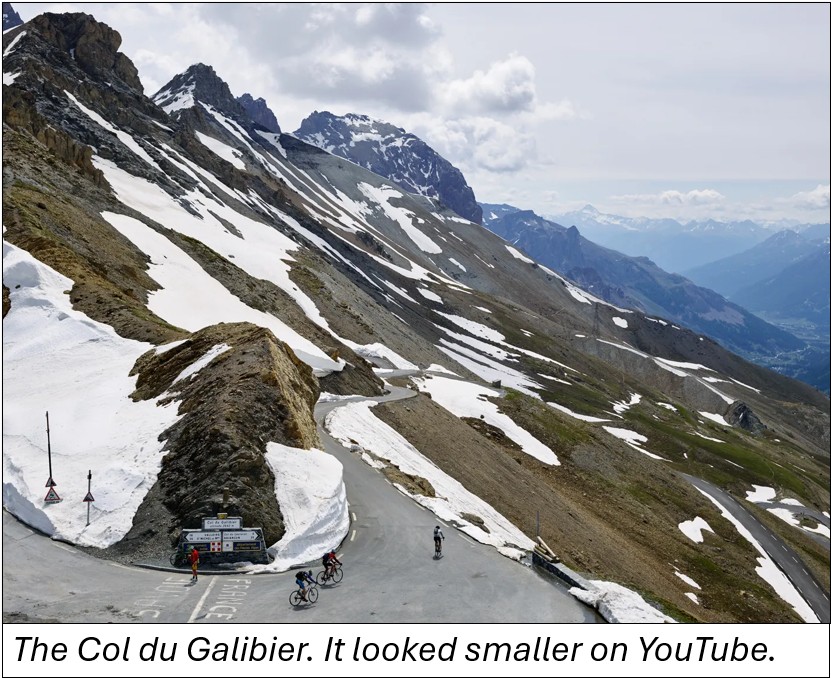
During my recovery, I watched a YouTube video about the Inferno. It showed three days of cycling through the beautiful French Alps, crossing some of the highest and most famous mountain roads in Europe.
Any sensible person might have thought: “That looks amazing, but realistically impossible.”
Instead, I thought:
“I’ll give that a bash.”
To be clear, my objective is not to race. I will not be troubling the podium or worrying any professional cycling teams. My task is simple: reach every checkpoint before the cut-off time and keep pedalling until I arrive in Menton.
What does the challenge involve?
The first stage alone is approximately 232 kilometres, with more than 5,500 metres of climbing. For perspective, this year’s Tour de France queen stage covered 171 kilometres and 5,450 metres of climbing. I will be aiming for a time considerably more pedestrian than Richard Carapaz’s.
Then I have to get up the next morning and do it twice more.
In total, the challenge involves:
• Approximately 605 kilometres
• More than 15,000 metres of climbing
• Several major Alpine passes
• Three consecutive days in the saddle
That is roughly the distance from Edinburgh to London, with more than one and a half Everests of climbing thrown in. Apparently, the distance alone was not difficult enough.
Preparing for the Inferno
I live in the Netherlands, where most climbs are called bridges. It is a wonderful place to ride a bike, but not the most obvious place to prepare for altitude and Alpine climbing.
Before heading to the mountains around Nice for my first proper mountain-training trip, I had climbed a grand total of three mountains in my life.
Three.
Don’t panic: following my extensive mountain-training programme, I have now doubled that figure to six.
Taking on the Inferno is partly about proving to myself that an accident and a diagnosis do not get to decide what I am capable of.
More importantly, if I am going to spend three days cycling up hills, I would like all that effort to do some good.
Why Free the Bears?
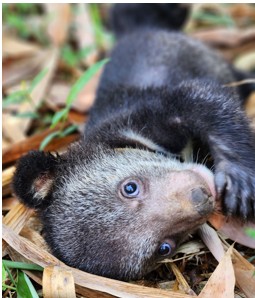
I first learned about the suffering of bears through a documentary showing them confined in cages and subjected to prolonged cruelty. It moved me to tears and has stayed with me ever since. Bears are often portrayed as fearsome predators, rather than the intelligent, inquisitive animals they are.
Free the Bears rescues bears from exploitation and provides veterinary treatment and lifelong sanctuary care. Because many rescued bears cannot safely return to the wild, that commitment can last more than 30 years. The charity also protects wild populations and works to end bear bile farming and the illegal wildlife trade.
The charity currently cares for more than 350 rescued bears. We cannot undo what they have experienced, but we can help give more bears a life beyond a cage.
Example: https://youtube.com/shorts/GxNomhVsxOE?si=qYAbw5tH5LVGa8IL
Please support Free the Bears and help me make every metre count.
I am aiming to raise £3,300, equivalent to a year of basic care for two rescued bears. That includes a healthy diet, veterinary treatment and enrichment.
I will do the cycling: the early starts, the altitude, the cut-offs and the inevitable moments when I wonder why I thought this was a good idea. You are spared all of that. Every donation will go directly to Free the Bears; I am personally covering all event costs.
Thank you,
Jason
PS: I’ve read that shaving my legs might make me slightly more aerodynamic. Should I? I’ll probably regret asking.
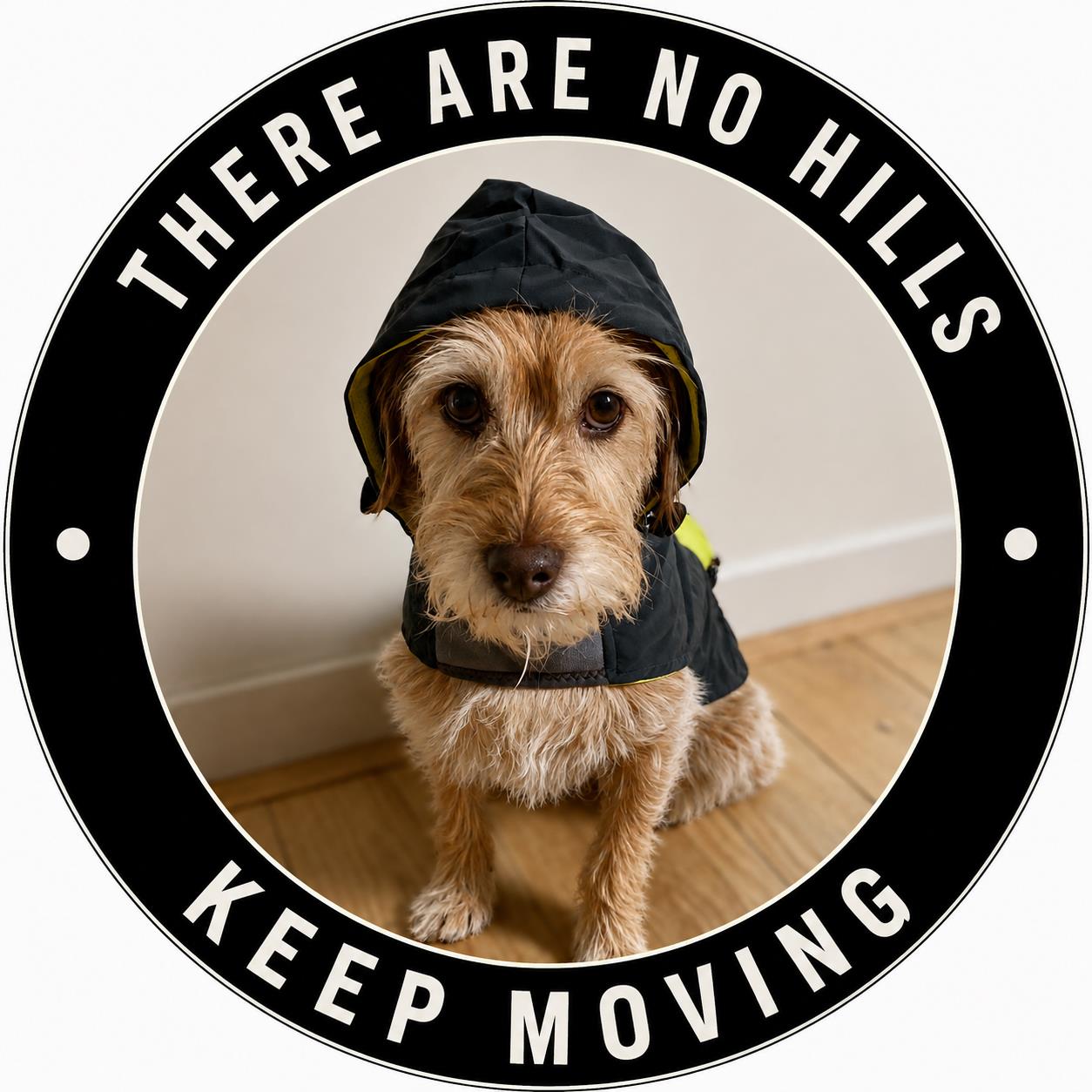
And finally some supportive words from my coach:
This is the Inferno event page: