Story
Veterans & their families face their toughest battles yet. Painful injuries. Mental trauma. Disability. Isolation.
Our life-changing services support them. From physical & mental health care, to help with welfare & medical needs.
Your fundraising ensures they get this specialist support for life.Injuries during and after D-Day were often horrific
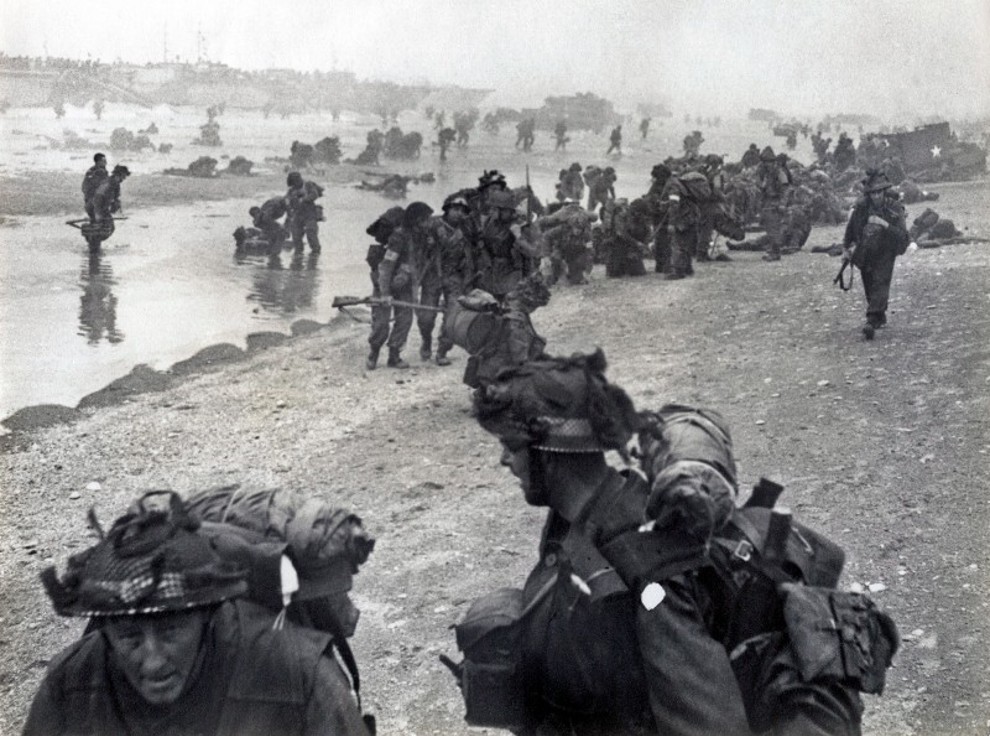
With the amount of crossfire, landmines and bombs being dropped during D-Day, perhaps it’s no surprise injuries were rife and often life-changing.
In some cases, soldiers’ limbs were blown off by shrapnel and shell fragments, or they suffered deep wounds from bullets and artillery.
Injured soldiers were sent to Regimental Aid Posts (RAP), which were front-line medical stations, where soldiers received basic treatment, such as dressing wounds. These were often set up in buildings close to combat, which were often at risk of being shelled.
Due to medical advancements during WW2, medical personnel were often able to perform life saving blood transfusions to wounded soldiers. There was also increasingly more knowledge about how to safely and effectively perform amputations, alongside preventing the risk of infections.
A majority of soldiers saw horrifying scenes throughout the course of WW2. As a result, some military personnel suffered PTSD symptoms